Credit card options for first time users: a helpful guide
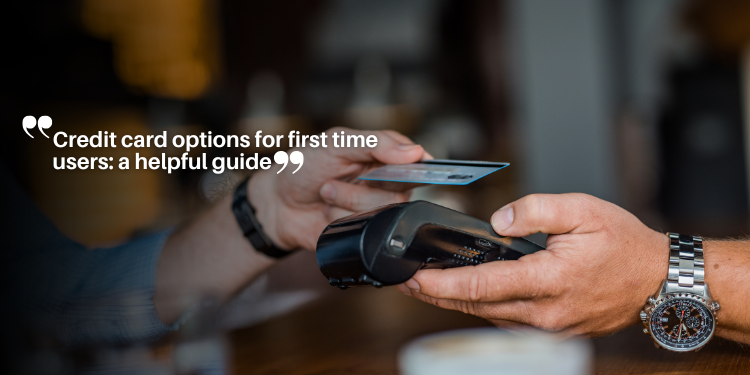
Credit card options for first-time users include secured cards, no annual fee cards, and rewards cards, all designed to help build credit responsibly while avoiding common pitfalls like overspending and missing payments.
Credit card options for first time users might seem daunting at first. With numerous choices available, it’s essential to find one that fits your needs and helps build your credit responsibly. Let’s explore the best options for you.
Understanding credit card basics
Understanding credit card basics is essential for new users. Credit cards can open many doors, but knowing how they work is key to using them wisely. In this section, we’ll explore the fundamental aspects of credit cards, ensuring you’re equipped to make informed decisions.
What is a credit card?
A credit card is a plastic card issued by financial institutions that allows you to borrow funds up to a certain limit. When you make a purchase with a credit card, you’re essentially taking a loan that you agree to pay back later. Understanding this concept is crucial for responsible usage.
How does interest work?
Interest is a fee charged when you carry a balance on your credit card. If you don’t pay off your balance in full each month, you’ll be charged interest on the remaining amount. This is where many new users get into trouble, so it’s important to be aware of your account’s interest rate.
- Look for cards with low-interest rates.
- Pay your balance in full to avoid interest.
- Consider introductory 0% APR offers.
Understanding your interest rate can help you choose the right credit card and save money in the long run. Additionally, keeping track of your spending is vital to ensure you stay within your credit limit, which can positively impact your credit score.
What is a credit limit?
Your credit limit is the maximum amount you can borrow with your credit card. This limit is determined based on your creditworthiness. If you exceed your credit limit, you may incur fees, and it can negatively affect your credit score. Staying below your credit limit helps maintain your credit health.
In summary, becoming familiar with credit card basics is the first step toward mastering your finances. By understanding what a credit card is, how interest works, and the importance of your credit limit, you can make smart choices that benefit your financial future.
Top credit card options for beginners
When it comes to top credit card options for beginners, knowing your choices can simplify your financial journey. Selecting the right card can help you establish good credit while offering valuable benefits.
Best credit cards for new users
There are several cards designed specifically for those just starting. Here are some of the most popular options:
- Secured credit cards: These require a deposit as collateral, making them easier to get approved for. They help you build credit with responsible use.
- No annual fee cards: Many credit cards come with no annual fees. This is an excellent option as it allows you to build credit without extra costs.
- Rewards cards: Some beginner-friendly cards offer rewards for every dollar spent. Look for cards that provide cash back or points on purchases.
Each of these options has its advantages. By choosing the right one based on your spending habits and financial goals, you can effectively manage your credit.
Why consider introductory offers?
Many credit cards for beginners come with tempting introductory offers. These may include 0% APR for the first few months or bonus rewards points. Taking advantage of these offers can significantly benefit new users.
Using your card responsibly during this period can help you establish good credit. It’s crucial to understand the terms associated with these offers to maximize their benefits.
Compare features and fees
Before deciding on a credit card, it’s vital to compare different features and fees. Look out for cards that offer:
- Low-interest rates
- No hidden fees
- Flexible payment options
- Access to online account management
By evaluating these factors, you can select a card that aligns with your personal finances.
Finding the right credit card options for beginners can pave the way to financial success. Consider your lifestyle, spending habits, and financial goals when making your decision.

Tips for using your first credit card wisely
Using your first credit card wisely is important for building a strong financial future. With the right strategies, you can avoid common pitfalls and take full advantage of the benefits that come with credit cards.
Pay your balance in full
One of the best tips for using your first credit card is to always pay your balance in full each month. This practice helps you avoid interest charges and keeps your credit score healthy. By paying on time, you also protect your credit rating.
Set a budget
Creating a budget is a smart way to manage your spending. Decide how much you can afford to charge on your credit card each month. This discipline will help you stay within your spending limits and avoid accumulating debt.
- Track your expenses regularly.
- Use mobile apps to help monitor your spending.
- Adjust your budget based on your needs.
Finding the right balance between spending and saving is critical to managing your finances effectively. Regularly reviewing your budget will keep you on track and aware of your financial habits.
Take advantage of rewards
If your credit card offers rewards, make sure to use it for purchases where you can earn points. Look for opportunities to earn cash back or other benefits. This way, your spending can work for you.
Keep in mind, only buy what you can afford to pay off. Chasing rewards can lead to overspending, which defeats the purpose of using credit wisely.
Monitor your credit report
Regularly checking your credit report is a key step in managing your credit card. This allows you to catch any errors and see how your card usage affects your credit score. New cardholders should familiarize themselves with their credit score and how it changes over time.
By following these tips, you can ensure that your first experience with a credit card leads to positive financial outcomes. Implementing these strategies helps you develop responsible habits that will last a lifetime.
Common pitfalls to avoid with credit cards
When you start using a credit card, it’s important to be aware of the common pitfalls that can lead to financial problems. Avoiding these mistakes can help you manage your credit responsibly and build a strong financial future.
Overspending
One of the biggest mistakes new cardholders make is overspending. Just because you have a credit limit does not mean you should use it all. It’s essential to stick to a budget and only charge what you can afford to pay back.
Missing payments
Missing a payment is a common issue that can hurt your credit score. Setting up automatic payments can ensure you never miss a due date. If that isn’t possible, mark your calendar or set reminders to help you remember.
- Use your phone’s calendar app for reminders.
- Sign up for email alerts from your credit card issuer.
- Consider scheduling payments ahead of the due date.
By staying on top of your payments, you can avoid late fees and maintain a healthy credit history.
Ignoring credit utilization ratio
Your credit utilization ratio is the percentage of your total credit limit that you’re using. A high ratio can negatively impact your credit score. Aim to keep your utilization under 30%, which shows lenders that you can manage credit responsibly.
Regularly check your credit utilization and adjust your spending habits if needed. If your ratio is too high, consider paying down your balance or asking for a credit limit increase.
Not understanding fees
Many credit cards come with fees that can catch users off guard. Understanding these fees is crucial. Look for:
- Annual fees
- Late payment fees
- Foreign transaction fees
- Cash advance fees
Being aware of these can help you avoid unnecessary charges. Always read the terms and conditions of your credit card to understand the fees associated with it.
By being cautious and informed, you can steer clear of these common pitfalls. Remember, responsible credit usage lays the foundation for a strong credit history and financial health.
FAQ – Frequently Asked Questions about Credit Cards for Beginners
What should I do if I miss a credit card payment?
If you miss a payment, make sure to pay it as soon as possible to avoid late fees and damage to your credit score. Set up reminders or automated payments in the future to prevent this.
How can I avoid overspending on my credit card?
To avoid overspending, create a budget that outlines how much you can spend. Stick to this budget and track your expenses regularly to ensure you stay within your limits.
What is a credit utilization ratio, and why is it important?
The credit utilization ratio is the percentage of your total available credit that you’re using. Keeping this ratio below 30% is crucial for maintaining a healthy credit score.
Are there any fees associated with credit cards I should know about?
Yes, credit cards can have various fees such as annual fees, late payment fees, cash advance fees, and foreign transaction fees. Always read the terms and conditions to understand these fees.