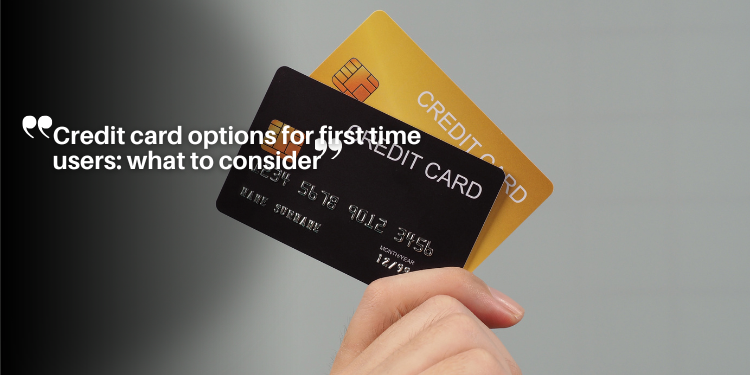
Credit card options for first time users: what to consider
Understanding credit card options for first-time users involves evaluating types of cards, managing credit wisely, avoiding common mistakes, and ensuring timely payments to build a strong credit profile.
If you’re exploring credit card options for first time users, you might feel a bit lost. With so many choices available, how do you know which one is best for you? In this article, we’ll break down essential factors to help you navigate your first credit card experience.
Understanding different credit card types
Understanding the various credit card types is crucial for first-time users. Each type serves different needs and comes with unique benefits and drawbacks. Knowing these details can help you make a wise choice.
Types of Credit Cards
There are several types of credit cards available today:
- Rewards Credit Cards: These cards offer points or cash back for your purchases, which can be redeemed for various rewards.
- Low-Interest Credit Cards: Ideal for users who may carry a balance, these cards come with lower interest rates.
- Secured Credit Cards: Designed for those starting to build credit, these require a deposit that acts as your credit limit.
- Student Credit Cards: Targeted at students, these cards often have no annual fee and offer benefits tailored to younger users.
Choosing the right credit card can impact your financial future significantly. Make sure to consider the rewards, interest rates, and additional fees associated with each option. Understanding these factors can help you maximize the benefits of your card.
What to Look For
When exploring credit card options, it’s essential to look at a few key features:
- Annual Fees: Some cards charge an annual fee, which can eat into your rewards.
- Credit Limit: Understand your credit limit and how it affects your spending habits.
- Interest Rate: Look for cards with lower interest rates to avoid high payments if you carry a balance.
- Rewards Structure: Consider how the rewards work and what categories earn the most points.
By evaluating these aspects, you will be better equipped to select the right card for your needs.
Key factors to consider when choosing a card
When choosing a credit card, there are several key factors you should consider. These factors can greatly affect your financial journey, especially if you’re a first-time user. Understanding what each one means can help you make the best decision for your needs.
Interest Rates
The interest rate is one of the most critical factors. A lower rate means you pay less in interest if you carry a balance. Compare rates among different cards to find the best deal.
- Fixed vs. Variable rates: Fixed rates stay the same, while variable rates can change.
- Introductory rates: Some cards offer low or zero rates for a limited time.
- APR details: Check the annual percentage rate (APR) for the most accurate cost of borrowing.
Looking closely at the interest rates can save you money in the long run.
Fees
Various fees can add up quickly, so it’s essential to read the fine print. Besides the interest rates, look for:
- Annual fees: Some cards charge a fee just for having the card.
- Late payment fees: Missing payments can incur hefty charges.
- Foreign transaction fees: If you travel, these fees can become significant.
Deciding on a card with minimal fees can help you maintain control over your finances.
Rewards and Benefits
Another important aspect is the rewards program. Many credit cards offer perks that can make your spending more rewarding. Consider:
- Cash back: Some cards give you a percentage of your spending back.
- Travel rewards: If you travel often, cards that offer points for flights or hotels may suit you.
- Special offers: Look out for sign-up bonuses that can add extra value.
By finding a card that aligns with your spending habits, you can enjoy more value from your purchases.
In summary, always evaluate the interest rates, fees, and rewards of different credit cards. Taking the time to analyze these factors can lead to smarter financial decisions.
Building credit as a first-time user
Building credit as a first-time user is essential for your financial future. Understanding how to establish and maintain a good credit score can open up many opportunities, such as better loan rates and more credit options.
Why Credit Matters
Your credit score reflects your creditworthiness, which lenders use to assess how likely you are to repay loans. A higher score can lead to better interest rates and financial products. Factors that affect your score include:
- Payment history: Making timely payments significantly boosts your score.
- Credit utilization: Keeping your credit card balances low compared to your limits is vital.
- Length of credit history: A longer credit history can positively influence your score.
By focusing on these elements, you can effectively build a strong credit profile.
Using Your First Credit Card Wisely
As a new cardholder, it’s important to use your first credit card responsibly. Start by charging small purchases that you can pay off each month. Regular, on-time payments are crucial for building credit. Also, consider:
- Setting a budget: Stick to a budget to avoid overspending.
- Monitoring your usage: Keep an eye on how much credit you use to stay below 30% of your limit.
- Paying in full: Whenever possible, pay your balance in full to avoid interest charges.
This approach takes discipline, but it will pay off as you build a positive credit history.
Checking Your Credit Score
Regularly checking your credit score helps you understand your financial standing. Many websites offer free credit score checks. Understanding your score allows you to track your progress and see how your actions affect your credit. You should also look for:
- Errors: Always review your report for inaccuracies that could harm your score.
- Credit inquiries: Know how often your credit is checked to avoid unnecessary hits on your score.
- Improvement areas: Identify what aspects you can improve.
By keeping tabs on your scores, you empower yourself to make informed financial decisions.
Mistakes to avoid with your first credit card
Avoiding mistakes with your first credit card is crucial for building a positive credit history. Many first-time users can accidentally harm their credit scores by not understanding the responsibilities that come with a credit card.
Overusing Your Credit Limit
One common mistake is using too much of your available credit. This can lead to a high credit utilization ratio, which negatively affects your score. Keeping your usage below 30% is generally advisable. Additionally, overspending can lead to:
- Increased debt: It can be hard to pay off a high balance.
- Fees: Exceeding your limit may incur fees.
- Low credit score: High utilization can damage your credit score.
By being mindful of your limit, you can avoid these financial pitfalls.
Missing Payments
Another major mistake is missing payment deadlines. Timely payments are essential for maintaining a good credit score. Consider setting reminders or using automatic payments to help you stay on track. Keeping your payments current will prevent:
- Late fees: These can add up over time.
- Negative impact on your score: Even one missed payment can lower your score significantly.
- Higher interest rates: Future lenders may see you as a higher risk.
Staying organized with your payment schedule is essential.
Ignoring Your Statements
It’s also a mistake to ignore your credit card statements. Regularly reviewing your statements helps you catch any errors or unauthorized charges. Some points to remember include:
- Checking for inaccuracies: Errors can hurt your credit.
- Tracking spending: Understanding where your money goes is important.
- Disputing fraudulent charges: Report any suspicious activity immediately.
Being proactive in monitoring your account can save you from many issues down the line.
To sum up, avoid these common mistakes—overusing your credit limit, missing payments, and ignoring your statements—to maintain a healthy credit profile. Being informed and careful will set you on the path to successful credit management.
FAQ – Frequently Asked Questions about Credit Cards for First-Time Users
What should I do if I miss a payment?
If you miss a payment, make it as soon as possible to minimize penalties and negative impacts on your credit score.
How can I build credit quickly as a first-time user?
Using your credit card responsibly, making timely payments, and keeping your utilization low can help you build credit quickly.
Is it important to check my credit report?
Yes, regularly checking your credit report helps you spot errors and understand your financial position better.
What happens if I exceed my credit limit?
Exceeding your credit limit can result in fees and negatively affect your credit score, so it’s best to avoid it.