Government benefits for low income families
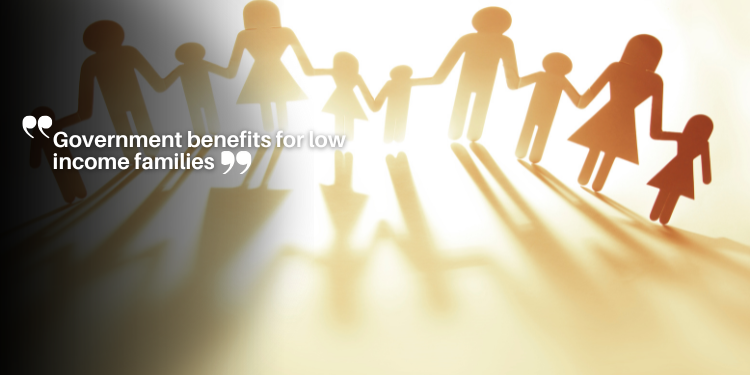
Government benefits for low income families include food assistance, housing support, healthcare programs, and childcare aid, which help improve financial stability and quality of life.
Government benefits for low income families offer critical support that can change lives. Have you ever wondered how these programs can help you or someone you know? Let’s dive into the options that may be available to you.
Understanding government benefits
Understanding government benefits is crucial for low income families looking for support. These benefits can help with daily expenses and provide a safety net during tough times.
What are government benefits?
Government benefits are programs designed to assist individuals and families in need. They can cover areas like food, housing, health care, and education. Knowing what is available can empower families to seek the help they deserve.
Types of government benefits
There are several types of government benefits that low income families may qualify for, including:
- Food assistance: Programs like SNAP (Supplemental Nutrition Assistance Program) provide funds for groceries.
- Housing assistance: Options such as public housing or Section 8 vouchers help families afford rent.
- Healthcare programs: Medicaid offers low-cost or free medical services for eligible individuals.
- Childcare assistance: Programs that help cover daycare costs, allowing parents to work or attend school.
Each program has specific eligibility requirements. To qualify, families often need to provide proof of income, residency, and other relevant information.
How to access benefits
Accessing government benefits may seem overwhelming, but resources are available to help. Start by visiting your local social services office or their website. Additionally, community organizations often offer guidance through the application process.
It’s essential to gather all necessary documents beforehand, such as tax returns and pay stubs. Being prepared can streamline the process and ensure you receive the support you need.
Importance of government benefits
Government benefits play a vital role in addressing poverty and improving the quality of life for many families. By utilizing these resources, families can find stability and focus on their future.
Eligibility criteria for low income families
When it comes to accessing government benefits, understanding the eligibility criteria for low income families is essential. Each program has specific requirements that determine whether families can receive assistance.
Income Limits
The most significant factor many programs consider is the family’s income level. Typically, there are guidelines defined by the federal government that state the maximum income a family can have to qualify for benefits.
- 100% of the poverty line: Many programs use this level to determine eligibility.
- Household size: Income limits often vary based on how many people live in the home.
- Annual adjustments: These limits are updated each year to reflect changes in the cost of living.
It’s important to note that some benefits will assess income before taxes, while others may consider net income after deductions. Families need to provide accurate financial information to ensure fair benefit determination.

Residency Requirements
In addition to income, most government benefits require families to be permanent residents of the state or area where they are applying. This means that individuals often need to provide proof of residence, like a utility bill or government-issued ID.
Some programs may also require legal residency in the U.S. Thus, non-citizens can find their eligibility limited for certain benefits, though there are programs specifically designed for immigrants.
Age and Family Structure
The age of family members and their structure also plays a part in eligibility. For example, programs focusing on children may require at least one dependent child under a certain age to qualify. Additionally, benefits like elderly assistance prioritize households with senior members.
Understanding these criteria can help families navigate the application process more smoothly and increase their chances of obtaining necessary support. Always check specific program guidelines, as each has unique criteria that may not apply universally.
Types of benefits available
There are various types of benefits available for low income families, and understanding each type can help families access the assistance they need. These benefits aim to alleviate financial stress and support well-being.
Food Assistance Programs
One major type of benefit is food assistance. This includes programs that help families purchase groceries. The most well-known is SNAP (Supplemental Nutrition Assistance Program). This program offers families a monthly stipend to buy food items.
- WIC: Women, Infants, and Children program provides nutritional support, including food vouchers for mothers and children under five.
- School Meal Programs: These programs ensure children receive free or reduced-price meals at school, helping to alleviate hunger during the day.
- Community Food Banks: Local food banks provide families with groceries at no cost, helping to bridge the gap during difficult times.
Housing Assistance
Housing assistance is another crucial benefit for families struggling to afford rent. Programs like Section 8 provide housing vouchers, helping families find affordable living options in the private rental market. This assistance ensures families have a stable home environment.
Additionally, public housing programs offer reduced rent apartments for qualifying low income families. These programs are designed to improve living conditions and enhance community support.
Health Care Benefits
Access to medical care is essential for families, and government programs like Medicaid provide low income families with necessary healthcare services. This program covers doctor visits, hospital stays, and medication for those who qualify.
Furthermore, CHIP (Children’s Health Insurance Program) offers health coverage specifically for children in families with incomes too high to qualify for Medicaid but too low to afford private coverage.
Child Care Assistance
Child care assistance programs help reduce the cost of daycare for working families. These programs provide financial help, allowing parents to seek employment or further their education without worrying about child care costs.
Such assistance can be a game-changer for single parents or families with multiple children, ensuring that they have access to affordable and safe child care options.
How to apply for government assistance
Applying for government assistance can seem challenging, but understanding the steps can simplify the process. Knowing how to navigate applications ensures families get the help they need.
Gather Necessary Documentation
The first important step is to gather all required documentation. Families need to provide personal information such as social security numbers and proof of income. This could include:
- Pay stubs or tax returns
- Bank statements
- Proof of residency, like a utility bill
Having these documents ready helps create a smooth application experience.
Find the Right Program
Next, it’s essential to find the appropriate government program for which a family is eligible. Many websites offer resources to help you identify the right benefits based on individual circumstances.
Families can start by visiting government websites, which often have eligibility checkers to streamline this process. This will ensure that you focus on programs that fit your needs.
Complete the Application
When applying, families can typically choose between online applications or filling out paper forms. Online applications tend to be faster and are usually processed more quickly. If opting for paper forms, be sure to mail them to the correct address.
While filling out the application, ensure that all information is accurate and complete to avoid delays. Taking your time to review the application can make a significant difference.
Follow Up
After submitting an application, it is crucial to follow up. Families should check their application status either online or by contacting the program’s office. This helps understand the processing times and whether any additional information is required.
Keeping track of the application helps families stay informed and can reduce anxiety about the outcome.
In conclusion, navigating government benefits for low income families can greatly improve their quality of life. By understanding eligibility criteria and the types of assistance available, families can effectively utilize the resources at their disposal. The application process might seem complex, but with the right guidance and documentation, accessing these benefits can be straightforward. Remember, seeking help is a step towards stability and a brighter future.
FAQ – Government Benefits for Low Income Families
What government benefits are available for low income families?
Low income families can access various benefits such as food assistance, housing assistance, healthcare programs, and childcare support to help improve their financial stability.
How do I know if I qualify for government assistance?
Eligibility is typically based on income, residency, and household size. It is essential to check each program’s specific requirements, which can often be found on government websites.
What documents do I need to apply for assistance?
You will generally need documents such as proof of income (pay stubs, tax returns), proof of residency (utility bills), and identification (social security cards or IDs) to complete your application.
How can I apply for government benefits?
You can apply online through official government websites or submit paper applications by mail. Make sure to provide accurate information and necessary documents to avoid delays.