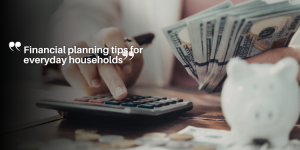
Personal finance strategies for everyday households
Anúncios
Personal finance strategies for everyday households help families manage monthly cash flow, reduce high interest debt, build emergency savings, and make smarter decisions about spending, insurance, and long term goals in a changing economy.
Personal finance strategies for everyday households can make a noticeable difference even when incomes feel tight and prices keep moving. Have you ever looked at your bank balance and wondered where the money went, even though you did not make any “big” purchases? In this article, we’ll break down practical, realistic strategies households across the United States can use to stay organized, reduce financial stress, and build stability without needing complicated tools.
Anúncios
What are personal finance strategies for everyday households?
Personal finance strategies for everyday households are simple systems and habits that help you plan your money on purpose. They focus on day to day decisions like budgeting, saving, paying down debt, and protecting your income with the right coverage. The goal is not perfection. The goal is consistency, clarity, and fewer surprises.
Different types of money strategies
There are many ways to manage personal finances, and the best approach usually depends on income patterns, household size, and financial goals. Here are common strategies households use:
Anúncios
- Budgeting systems: Plans that track income and assign it to bills, savings, and spending.
- Debt reduction methods: Approaches that prioritize paying down balances efficiently.
- Savings routines: Systems for emergency funds, short term goals, and future plans.
- Spending controls: Practical rules to reduce impulse purchases and overspending.
It is important to choose strategies that fit real life. A plan that is too strict usually breaks. A plan that is flexible but measurable tends to last longer.
Why these strategies matter now
Many households are dealing with higher costs, fluctuating interest rates, and subscription style spending that adds up quietly. Having a plan helps you respond faster when something changes, like a medical bill, car repair, or job shift. In personal finance, speed matters. The earlier you notice a problem, the cheaper it usually is to fix.
Benefits of personal finance strategies for everyday households
The benefits of personal finance strategies for everyday households go beyond “saving money.” They also improve decision making, reduce stress, and create options. When you know your numbers, you can say yes to the right opportunities and no to the wrong risks.
Cash flow control and fewer surprises
A household budget is not just a spreadsheet. It is a map. It helps you see what must be paid first and what can be adjusted. Strong cash flow habits often include:
- Tracking fixed bills and due dates to avoid late fees.
- Planning variable spending like groceries and gas with a realistic weekly target.
- Setting aside money for irregular expenses such as car maintenance and school costs.
This reduces the “surprise” effect that causes many families to use credit cards for normal expenses.
Debt becomes a plan, not a panic
Debt is not automatically a crisis, but high interest debt can trap households. A clear payoff strategy helps you avoid paying unnecessary interest and gives you momentum. Many people feel relief simply by having a method and seeing progress monthly.
Building a budget that actually works
Many budgets fail because they are built on ideal behavior instead of real behavior. The most effective personal finance strategies for everyday households are practical and repeatable.
Start with the basics
A simple budget can start with three numbers: total monthly income, total fixed bills, and a realistic estimate for variable spending. From there, build structure:
- List income sources and the dates money arrives.
- List fixed costs such as rent, utilities, insurance, and minimum debt payments.
- Estimate variable categories like groceries, transportation, and household needs.
If there is a gap, do not guess. Adjust categories until the plan reflects reality.

Use a weekly check in
Instead of trying to “perfect” the month, many households succeed by reviewing the plan once a week. A short check in helps you catch overspending early and reset before the month ends.
Debt reduction approaches that fit everyday life
Debt payoff is a major part of personal finance strategies for everyday households, especially when credit card rates are high. The goal is to pay less interest and regain flexibility.
Common payoff methods
Two popular methods are often used because they are easy to follow:
- Snowball method: Pay the smallest balance first to build motivation.
- Avalanche method: Pay the highest interest rate first to reduce total cost.
Both can work. The best choice is the one you will stick to for months, not days.
Avoiding new debt while paying old debt
Payoff progress is slower if new charges keep appearing. A practical approach is to reduce “leak spending” such as unused subscriptions, frequent delivery fees, or impulse purchases. Small changes can create extra cash to accelerate payoff.
Saving strategies that protect your household
Savings is the safety net that keeps normal problems from turning into financial emergencies. Strong personal finance strategies for everyday households include both emergency savings and planned savings.
Emergency fund basics
A starter emergency fund can be built in small steps. Even a modest buffer helps reduce reliance on credit cards. Many households aim to start with a small milestone, then grow it over time:
- Start with a small target that feels achievable.
- Automate transfers on payday if possible.
- Treat the emergency fund as “not for normal spending.”
The goal is to create breathing room, not to reach a perfect number overnight.
Sinking funds for predictable expenses
A sinking fund is money set aside monthly for expenses that are predictable but not monthly, like car repairs, annual insurance, back to school costs, or holidays. This is one of the most effective tools for households because it prevents last minute financial stress.
Smart spending habits and consumer decisions
Many households do not need extreme cuts. They need clear priorities. Strong personal finance strategies for everyday households often include simple rules that prevent spending drift.
Practical habits that help quickly
Here are spending habits many households use because they are easy to apply:
- Delay rule: Wait 24 hours before buying non essential items.
- Price check rule: Compare at least two options before larger purchases.
- Subscription audit: Review recurring charges monthly or quarterly.
- Meal planning: Reduce food waste and unplanned takeout spending.
These are not about guilt. They are about directing money to what matters most.
Insurance and protection as part of budgeting
Insurance choices can have major financial impact. Health, auto, renters, or homeowners insurance can prevent a single event from causing long term damage. Reviewing coverage once a year is a smart habit, especially after moving, changing jobs, or adding a family member.
Extra resources to strengthen financial stability
Extra resources can help households improve skills, stay organized, and make better decisions. You do not need to be a finance expert to use these tools effectively.
Helpful tools and support options
Depending on your needs, these resources can be useful:
- Budgeting apps or simple spreadsheets for tracking categories.
- Credit reports and account alerts to catch errors early.
- Community education classes and nonprofit counseling services.
Building knowledge over time is part of strong personal finance strategies for everyday households. The key is to keep it simple and focus on habits that protect your monthly cash flow first.
FAQ – Common Questions About Personal Finance Strategies for Everyday Households
What are personal finance strategies for everyday households?
They are practical habits and systems that help households budget, reduce debt, build savings, and manage spending with more control.
What is the simplest budget method to start with?
Start by listing income, fixed bills, and a realistic plan for variable spending, then review it weekly to stay on track.
Which debt payoff method is better?
Both can work. The snowball method builds motivation, while the avalanche method often saves more on interest. Choose the one you will follow consistently.
Why are sinking funds important?
They help you prepare for predictable but non monthly expenses, reducing the need for credit cards and last minute stress.