Optimal Hydration Habits: Beyond the 8-Glass Rule for US Health in 2026
Anúncios
Optimal Hydration Habits: Beyond the 8-Glass Rule for US Health in 2026
In the quest for peak health, few topics are as fundamental yet as misunderstood as hydration. For decades, the mantra of ‘eight glasses a day’ has been drilled into us as the gold standard for water intake. While well-intentioned, this one-size-fits-all advice often falls short of addressing the complex and highly individualized needs of the human body. As we look towards 2026, understanding and adopting truly optimal hydration habits becomes paramount for enhancing overall well-being across the United States. This comprehensive guide will delve deep into why the traditional advice is just the beginning, exploring the science, the variables, and the practical strategies for achieving superior hydration.
Anúncios
The Foundation: Why Hydration is Non-Negotiable for US Health
Before we dissect what constitutes optimal hydration habits, it’s crucial to reiterate the indispensable role water plays in virtually every bodily function. Water is not merely a thirst quencher; it is the solvent of life, facilitating chemical reactions, transporting nutrients, regulating body temperature, lubricating joints, and cushioning organs. From cognitive function to metabolic processes, adequate hydration underpins our very existence. In a nation grappling with rising rates of chronic diseases, often exacerbated by lifestyle factors, addressing fundamental elements like hydration offers a powerful, yet often overlooked, lever for public health improvement.
Anúncios
Consider the sheer volume of water within us: approximately 60% of an adult’s body weight. This fluid balance is meticulously maintained by a sophisticated regulatory system. Even a slight dip in this balance – a state known as dehydration – can trigger a cascade of negative effects. Symptoms can range from mild fatigue and headaches to impaired athletic performance, reduced cognitive function, and even serious health complications if severe. For the average American, navigating demanding work schedules, varying climates, and diverse dietary patterns, maintaining consistent optimal hydration habits is a daily challenge with profound health implications.
The year 2026 presents an opportunity to recalibrate our collective understanding of health and wellness. By moving beyond simplistic guidelines and embracing a more nuanced, evidence-based approach to hydration, we can empower individuals to take proactive steps towards better health. This isn’t just about drinking more water; it’s about understanding when, how much, and what kind of fluids our bodies truly need to thrive. Establishing optimal hydration habits is a cornerstone of this proactive health strategy.
Beyond the 8-Glass Rule: The Science of Individual Needs
The ubiquitous ‘eight glasses of water a day’ recommendation, equating to roughly two liters, has been a staple in health advice for decades. While it serves as a decent baseline for some, it fails to account for the vast individual differences that dictate true hydration requirements. The science tells us that factors such as age, activity level, climate, diet, and overall health status significantly influence how much fluid a person needs. Therefore, a truly effective approach to optimal hydration habits must be personalized.
Age and Hydration: A Shifting Landscape
- Children: Younger bodies have a higher proportion of water and a less developed thirst mechanism, making them more susceptible to dehydration. Active children, especially, require consistent fluid intake.
- Adults: Requirements vary widely based on lifestyle. A sedentary office worker will naturally need less fluid than a construction worker in a hot climate.
- Seniors: Older adults often experience a diminished sense of thirst, reduced kidney function, and may be on medications that affect fluid balance. This makes them particularly vulnerable to dehydration, underscoring the need for proactive optimal hydration strategies.
Activity Level: Fueling the Body’s Engine
Physical activity dramatically increases fluid loss through sweat. Athletes and individuals engaging in regular, intense exercise may need to consume significantly more water than the standard recommendation. Electrolyte replacement also becomes a crucial consideration here, as sweat contains not just water but also essential minerals like sodium, potassium, and chloride. Ignoring these losses can lead to muscle cramps, fatigue, and even heatstroke, highlighting the importance of tailored optimal hydration habits for active individuals.
Climate and Environment: Adapting to Your Surroundings
Living in a hot, humid environment naturally increases fluid loss through perspiration. Similarly, high altitudes and dry climates can also accelerate dehydration. Even indoor environments with air conditioning or heating can contribute to fluid loss. Understanding your environmental context is key to adjusting your daily fluid intake and maintaining optimal hydration habits.
Dietary Influences: More Than Just Water
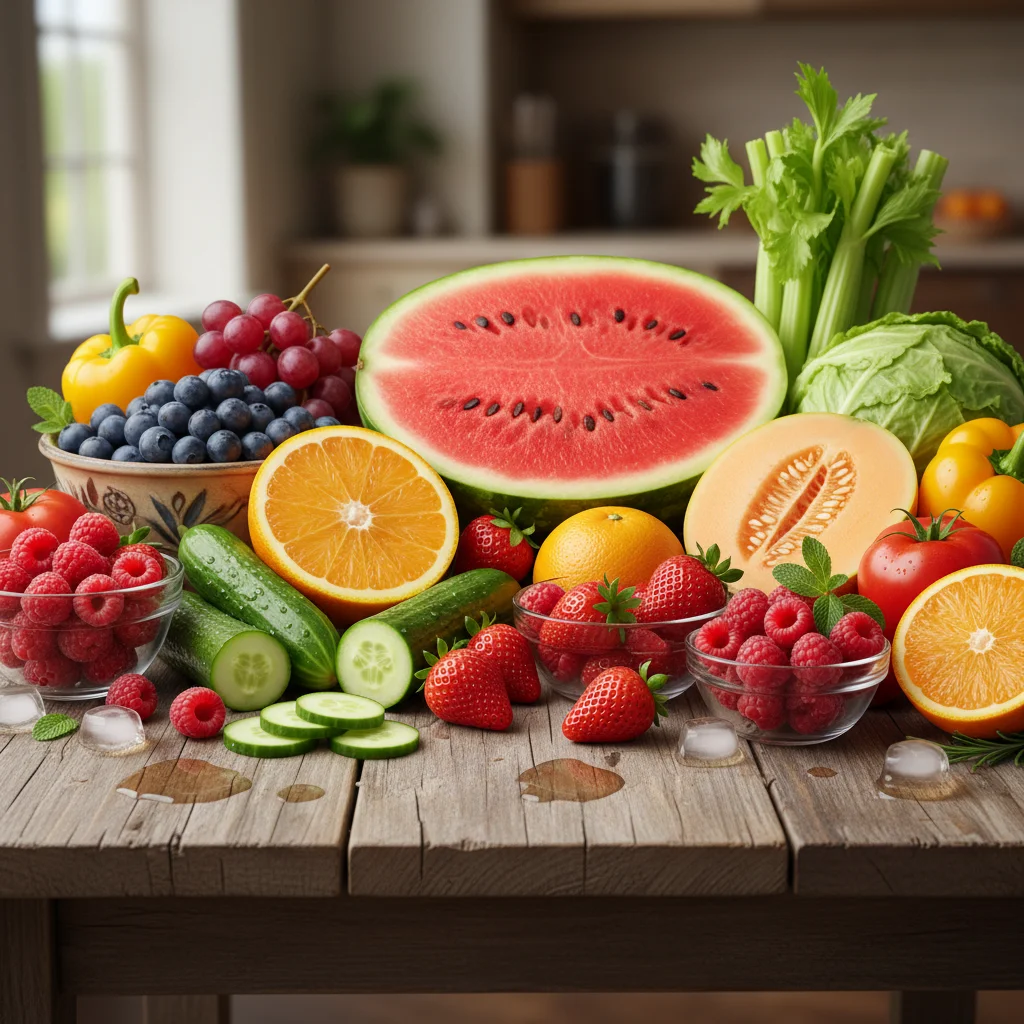
It’s easy to forget that a significant portion of our daily fluid intake comes from the foods we eat. Fruits and vegetables, in particular, are rich in water. Foods like watermelon, cucumbers, strawberries, and leafy greens contribute substantially to overall hydration. Conversely, diets high in sodium can increase the body’s need for water. A balanced diet, therefore, plays an integral role in supporting optimal hydration habits.
Health Conditions and Medications: Special Considerations
Certain health conditions, such as diabetes, kidney disease, and gastrointestinal illnesses, can impact fluid balance and necessitate specific hydration strategies. Medications, including diuretics, can also alter the body’s fluid requirements. Individuals with pre-existing health issues should always consult with a healthcare professional to determine their personalized optimal hydration strategies.
Crafting Your Personalized Optimal Hydration Habits
Moving beyond the generic advice, how can individuals in the US effectively craft their own optimal hydration habits for 2026? The key lies in listening to your body and adopting a proactive approach. Here are practical steps to personalize your hydration strategy:
1. Monitor Your Urine Color
One of the simplest and most effective indicators of your hydration status is urine color. Ideally, your urine should be a pale yellow, similar to lemonade. Darker urine suggests dehydration, while completely clear urine might indicate over-hydration (though this is less common and usually not problematic unless accompanied by symptoms of electrolyte imbalance). Regularly checking your urine color can help you adjust your fluid intake throughout the day.
2. Pay Attention to Thirst
While thirst is a natural signal, it’s often an indicator that you are already mildly dehydrated. The goal of optimal hydration habits is to drink consistently throughout the day, preventing thirst from becoming a strong sensation. However, if you do feel thirsty, it’s a clear signal to drink water immediately.
3. Calculate Your Baseline Needs
A common guideline for adults is to consume approximately half an ounce to one ounce of water per pound of body weight daily. For example, a 150-pound individual might aim for 75 to 150 ounces (about 2.2 to 4.4 liters) per day. This is a starting point, to be adjusted based on activity, climate, and other factors. This baseline helps in establishing daily hydration strategies.
4. Factor in Activity Levels
For every 20 minutes of moderate exercise, add an additional 8-10 ounces of water. For intense or prolonged exercise, fluid needs can be significantly higher, and electrolyte-rich beverages might be beneficial. Pre-hydrating before exercise and rehydrating afterwards are critical components of optimal hydration habits for active individuals.
5. Consider Your Climate and Environment
If you live or work in a hot, humid, or high-altitude environment, consciously increase your fluid intake. Keep a water bottle accessible and sip frequently throughout the day. Even dry indoor air can subtly increase fluid loss.
6. Embrace Water-Rich Foods
Integrate more fruits and vegetables into your diet. Cucumbers, celery, lettuce, tomatoes, bell peppers, watermelon, strawberries, and oranges all have high water content and contribute to your overall fluid intake. This is a delicious way to support optimal hydration habits.
7. Hydrate Strategically Throughout the Day
Instead of chugging large amounts of water at once, aim for consistent sips throughout the day. Keep a reusable water bottle handy at your desk, in your car, and during workouts. Start your day with a glass of water and drink before meals to aid digestion and satiety. This consistent approach is key to maintaining fluid balance monitoring.
8. Limit Dehydrating Beverages
While coffee and tea contain water, their diuretic effect can sometimes counteract the hydration benefits. Alcoholic beverages are also dehydrating. While moderation is key, be mindful that these drinks don’t count fully towards your hydration goals and may even increase your need for water.
9. Listen to Your Body’s Cues
Beyond thirst, pay attention to other subtle signs of dehydration such as dry mouth, fatigue, dizziness, or reduced urine output. Your body often gives early warnings before significant dehydration sets in. Developing this self-awareness is a cornerstone of optimal hydration habits.

The Profound Impact of Optimal Hydration on Health and Well-being
Adopting optimal hydration habits extends far beyond simply avoiding thirst. It has a profound and wide-ranging impact on virtually every aspect of our physical and mental health. As we stride towards 2026, recognizing these benefits can serve as powerful motivation for prioritizing fluid intake.
Enhanced Cognitive Function
Even mild dehydration can impair cognitive performance, leading to reduced concentration, memory issues, and decreased alertness. Water is vital for proper brain function. Staying well-hydrated ensures optimal blood flow to the brain, supporting neurotransmitter activity and overall mental clarity. This is particularly important in a demanding society where mental acuity is highly valued.
Improved Physical Performance
For athletes and active individuals, hydration is a game-changer. Dehydration can lead to decreased endurance, muscle cramps, fatigue, and impaired thermoregulation. Proper hydration helps maintain blood volume, regulate body temperature, and transport oxygen and nutrients to working muscles, allowing for peak physical performance. It’s a critical component of any fitness regimen.
Better Digestion and Nutrient Absorption
Water is essential for healthy digestion. It helps break down food, allows for efficient nutrient absorption in the intestines, and softens stool, preventing constipation. Without adequate fluid, the digestive system can become sluggish, leading to discomfort and reduced nutrient uptake. Optimal hydration habits are therefore directly linked to digestive health.
Weight Management Support
Drinking water, especially before meals, can help promote satiety and reduce overall calorie intake. Often, thirst can be mistaken for hunger, leading to unnecessary snacking. Replacing sugary drinks with water also significantly reduces caloric intake. Furthermore, water is crucial for metabolic processes, helping the body efficiently burn calories. Integrating water into a weight management plan is a smart and effective strategy.
Skin Health and Appearance
Our skin is the body’s largest organ, and its health is often a reflection of internal hydration. Well-hydrated skin appears plumper, more elastic, and can reduce the appearance of fine lines. While topical moisturizers are important, true skin hydration starts from within. Consistent optimal hydration habits contribute to a healthy, radiant complexion.
Detoxification and Kidney Function
The kidneys play a vital role in filtering waste products and toxins from the blood. Adequate water intake helps the kidneys perform this function efficiently, preventing the buildup of waste and reducing the risk of kidney stones and urinary tract infections. Hydration is the body’s natural detoxification system at work.
Mood Regulation and Energy Levels
Fatigue and irritability are common symptoms of even mild dehydration. Water helps transport oxygen to the cells, boosting energy levels. It also plays a role in regulating mood, with studies suggesting a link between dehydration and increased anxiety or depression. Prioritizing optimal hydration habits can lead to improved mood and sustained energy throughout the day.
Immune System Support
A well-hydrated body is better equipped to fight off illness. Water helps transport immune cells and nutrients throughout the body, ensuring that the immune system can function optimally. It also aids in the production of lymph, which carries immune cells and waste products. Strengthening your immune system through hydration is a proactive step towards long-term health.
Practical Strategies for Incorporating Optimal Hydration Habits into Your Daily Life
Knowing the importance of optimal hydration habits is one thing; consistently implementing them is another. Here are actionable strategies to make proper hydration an effortless part of your daily routine:
1. Start Your Day Hydrated
Drink a large glass of water immediately upon waking. This rehydrates your body after hours of sleep and kick-starts your metabolism. Adding a slice of lemon can make it more palatable and provide a small boost of Vitamin C.
2. Carry a Reusable Water Bottle
This is perhaps the simplest yet most effective strategy. Having water readily available serves as a constant reminder to sip throughout the day. Choose a bottle size that aligns with your daily goals and refill it frequently.
3. Set Reminders
In our busy lives, it’s easy to forget to drink. Use smartphone apps, alarms, or even sticky notes to remind yourself to drink water at regular intervals. Aim for small, consistent sips rather than infrequent large gulps.
4. Flavor Your Water Naturally
If plain water isn’t appealing, infuse it with natural flavors. Add slices of cucumber, mint leaves, berries, citrus fruits, or ginger. This can make drinking water a more enjoyable experience without adding sugars or artificial ingredients.
5. Drink Before, During, and After Meals
Make it a habit to drink a glass of water before each meal. This can aid digestion and help you feel full, potentially reducing overeating. Continue to sip water during and after meals to further assist with digestion.
6. Incorporate Hydrating Foods
As mentioned, many fruits and vegetables are excellent sources of water. Make an effort to include them in every meal and as snacks. Smoothies and soups are also great ways to increase fluid intake.
7. Understand Your Body’s Signals
Become attuned to the subtle cues your body sends. Are you feeling sluggish? Do you have a slight headache? These could be early signs of dehydration. Learning to interpret these signals is a key aspect of maintaining optimal hydration habits.
8. Plan for Exercise and Travel
If you’re exercising, plan your hydration strategy beforehand. Drink water before, during, and after your workout. When traveling, especially by air, remember that cabin air is very dry, and it’s easy to become dehydrated. Carry extra water and drink consistently.
9. Make it a Social Habit
Encourage friends, family, and colleagues to join you in prioritizing hydration. Having a hydration buddy can provide accountability and make the process more enjoyable. This collective effort can contribute to broader US health improvements by 2026.
10. Consult a Professional if Needed
If you have specific health concerns, are on medications, or have unique dietary needs, consult with a doctor or a registered dietitian. They can provide personalized advice and help you develop an optimal hydration strategy tailored to your individual health profile.
Monitoring and Adjusting Your Fluid Balance for Long-Term Success
Achieving and maintaining optimal hydration habits is not a one-time fix but an ongoing process of monitoring and adjustment. Our bodies’ needs can change daily, weekly, or seasonally, making continuous awareness crucial. For a healthier US in 2026, empowering individuals with the tools to self-monitor and adapt their hydration strategies is vital.
Regular Self-Assessment
Beyond urine color, consider how you feel throughout the day. Are you experiencing consistent energy levels? Are your cognitive functions sharp? Are you getting enough sleep? Many of these indicators can be subtly influenced by your hydration status. Keeping a simple hydration log for a few days can help you identify patterns and areas for improvement.
Adapting to Seasonal Changes
Our hydration needs fluctuate with the seasons. In summer, increased heat and activity naturally lead to greater fluid loss. In winter, dry indoor heating and a reduced sense of thirst can still put us at risk of dehydration. Adjusting your fluid intake to account for these seasonal shifts is a hallmark of truly optimal hydration habits.
Responding to Illness and Stress
When you’re ill, especially with fever, vomiting, or diarrhea, your body loses fluids at an accelerated rate. It’s imperative to increase fluid intake during these times. Similarly, periods of high stress can sometimes impact fluid balance. Being mindful of these periods and proactively hydrating can support recovery and resilience.
Leveraging Technology
Various apps and smart water bottles are available today that can help track your water intake and send reminders. While not essential, these tools can be helpful for individuals who struggle with consistency or who want a more data-driven approach to their optimal hydration habits.
Understanding Electrolytes
While water is paramount, electrolytes (minerals like sodium, potassium, calcium, and magnesium) are crucial for maintaining proper fluid balance and nerve and muscle function. During intense exercise or periods of heavy sweating, simply drinking water may not be enough. Incorporating electrolyte-rich foods, or occasionally an electrolyte beverage, can be beneficial to replenish these vital minerals and support optimal hydration habits.
The Future of Hydration: 2026 and Beyond
As we move towards 2026, the conversation around hydration is evolving. It’s no longer just about preventing thirst, but about optimizing performance, preventing disease, and enhancing overall quality of life. The emphasis shifts from generic recommendations to personalized, data-driven approaches that consider the unique physiological and lifestyle factors of each individual.
Education and Awareness
Continued public health campaigns are essential to educate the US population on the nuances of optimal hydration habits. This includes dispelling myths, providing clear guidelines, and promoting accessible resources for personalized advice.
Technological Advancements
Wearable technology and smart devices will likely play an even greater role in helping individuals monitor their hydration status in real-time, offering personalized alerts and recommendations based on activity, climate, and even biometric data. This will empower people to maintain optimal fluid balance monitoring with greater precision.
Integration with Healthcare
Healthcare providers will increasingly incorporate hydration assessments and personalized fluid recommendations into routine check-ups, recognizing its fundamental role in preventative care and chronic disease management. This holistic approach will be crucial for improving US health outcomes.
Sustainable Hydration Solutions
As we advocate for increased water intake, there’s also a growing imperative to do so sustainably. Promoting reusable water bottles, advocating for clean tap water infrastructure, and reducing reliance on single-use plastic bottles will be key components of a forward-thinking hydration strategy for 2026.
Ultimately, achieving optimal hydration habits is a journey of self-discovery and consistent effort. It’s about understanding that your body is a unique system, and its fluid needs are dynamic. By embracing a personalized, proactive approach to hydration, we can collectively unlock a new level of health and vitality, paving the way for a healthier, more resilient United States in 2026 and beyond.