Indo-Pacific Strategy 2026: US Alliances & Regional Stability
Anúncios
The Indo-Pacific region stands as the geopolitical epicenter of the 21st century, a dynamic arena where economic prosperity, technological innovation, and strategic competition converge. For the United States, maintaining a free, open, secure, and prosperous Indo-Pacific is not merely a foreign policy objective; it is a fundamental pillar of its national security and economic well-being. The Indo-Pacific Strategy 2026 represents the latest evolution of this commitment, a comprehensive framework designed to navigate the complex currents of regional dynamics, strengthen alliances, and foster diplomatic engagements that underpin stability and growth. This strategy is not a static document but a living blueprint, continually adapting to emerging challenges and opportunities, ensuring the U.S. remains a steadfast partner in the region.
Anúncios
The very concept of the "Indo-Pacific" itself signifies a broadening of strategic horizons, acknowledging the interconnectedness of the Indian Ocean and the Pacific Ocean. This expansive geographic scope reflects an understanding that security and prosperity in one part of this vast region are inextricably linked to those in another. The strategy recognizes that no single nation can address the multifaceted challenges of the Indo-Pacific alone, necessitating a robust network of alliances and partnerships. These alliances are not merely transactional; they are built on shared values, mutual interests, and a collective vision for a rules-based international order.
As we delve into the intricacies of the Indo-Pacific Strategy 2026, it becomes clear that its success hinges on several critical components. First and foremost is the enduring strength of U.S. alliances, which serve as the bedrock of its regional presence. These alliances, forged over decades, provide a framework for collective defense, disaster response, and economic cooperation. Secondly, the strategy emphasizes key diplomatic engagements, recognizing that dialogue, negotiation, and multilateralism are essential tools for de-escalating tensions, resolving disputes, and building consensus on shared priorities. Finally, the strategy addresses the evolving nature of regional threats, from traditional security concerns to new challenges such as climate change, cyber warfare, and economic coercion. Understanding and effectively responding to these threats is paramount to maintaining regional stability.
Anúncios
This article will explore the core tenets of the Indo-Pacific Strategy 2026, examining how the U.S. plans to leverage its alliances and diplomatic engagements to uphold a free and open Indo-Pacific. We will analyze the strategic rationale behind these efforts, the specific initiatives underway, and the anticipated impact on regional security and prosperity. By understanding the nuances of this critical strategy, we can better appreciate the U.S.’s enduring commitment to a region that is vital for global peace and prosperity.
Understanding the Geopolitical Landscape of the Indo-Pacific in 2026
The Indo-Pacific in 2026 is characterized by a complex interplay of rising powers, persistent geopolitical rivalries, and transnational challenges. China’s growing economic and military influence continues to reshape regional dynamics, prompting both cooperation and competition. Its Belt and Road Initiative (BRI) has expanded its economic footprint, while its assertive actions in the South China Sea and along its borders have raised concerns among neighboring states and international actors. This evolving power dynamic forms a central consideration for the Indo-Pacific Strategy 2026, which seeks to balance engagement with deterrence.
Beyond China, other significant actors like India, Japan, Australia, and the ASEAN nations play crucial roles in shaping the region’s future. India, with its burgeoning economy and strategic location, is increasingly seen as a vital partner in maintaining a balance of power. Japan and Australia, long-standing U.S. allies, continue to strengthen their defense capabilities and deepen their security cooperation. The diverse member states of ASEAN, situated at the crossroads of major shipping lanes and economic corridors, are critical for regional stability and economic integration. The strategy recognizes the importance of engaging with this rich tapestry of nations, respecting their sovereignty, and supporting their agency in shaping their own destinies.
Furthermore, the region faces a myriad of non-traditional security threats. Climate change poses an existential risk to low-lying island nations and coastal communities, threatening livelihoods, displacing populations, and exacerbating resource scarcity. Cyberattacks and disinformation campaigns undermine democratic institutions and economic stability. Transnational crime, including illegal fishing and human trafficking, further destabilizes vulnerable communities. The Indo-Pacific Strategy 2026 is designed to address these multifaceted challenges holistically, recognizing that security is not solely military but also encompasses environmental, economic, and human dimensions.
Technological advancements are also transforming the Indo-Pacific. The rapid adoption of artificial intelligence, 5G networks, and advanced surveillance technologies has implications for both economic development and national security. The competition for technological leadership is intense, and the strategy seeks to promote an open, reliable, and secure technological ecosystem that benefits all nations in the region. This includes fostering innovation, protecting intellectual property, and ensuring responsible development and deployment of emerging technologies.
Understanding these intricate layers of geopolitical, economic, environmental, and technological factors is crucial for appreciating the strategic imperatives that drive the Indo-Pacific Strategy 2026. It is against this backdrop of complexity and dynamism that the U.S. seeks to project its influence, uphold its values, and contribute to a resilient and prosperous Indo-Pacific.
Pillar 1: Strengthening U.S. Alliances and Partnerships
The cornerstone of the Indo-Pacific Strategy 2026 is the revitalization and strengthening of U.S. alliances and partnerships. These relationships, built on decades of shared history and mutual trust, provide the essential framework for collective security and a coordinated response to regional challenges. The strategy emphasizes that these alliances are not relics of the past but dynamic entities that must evolve to meet contemporary threats and opportunities. The U.S. commitment to its treaty allies – Japan, South Korea, Australia, the Philippines, and Thailand – remains unwavering, serving as the bedrock of its regional security architecture.
Beyond these traditional alliances, the strategy also focuses on deepening partnerships with other key regional players. India, as a major democratic power and a growing economic force, is a critical partner in the U.S.’s vision for a free and open Indo-Pacific. The Quadrilateral Security Dialogue (Quad), comprising the U.S., Japan, Australia, and India, has emerged as a vital forum for coordinating efforts on issues ranging from maritime security to vaccine distribution and climate action. The Quad exemplifies the strategy’s emphasis on flexible, issue-based groupings that can address specific challenges effectively.
ASEAN (Association of Southeast Asian Nations) also holds a central position in the Indo-Pacific Strategy 2026. The U.S. recognizes ASEAN’s centrality to regional architecture and aims to engage with its member states to promote regional integration, economic growth, and adherence to international law. This includes supporting ASEAN-led mechanisms for dialogue and cooperation, such as the East Asia Summit and the ASEAN Regional Forum. The strategy seeks to empower ASEAN nations to maintain their autonomy and resist external coercion, fostering a resilient and independent Southeast Asia.
The strategy also highlights the importance of expanding security cooperation beyond traditional military exercises. This includes enhancing interoperability between allied forces, sharing intelligence, and collaborating on military modernization efforts. The goal is to build a more resilient and integrated defense posture that can deter aggression and respond effectively to crises. Furthermore, the strategy promotes cooperation on emerging security domains, such as cyber security and space security, recognizing that these areas are increasingly vital for national defense.
Economically, strengthening alliances means fostering resilient supply chains, promoting fair and open trade, and collaborating on critical infrastructure projects. The U.S. seeks to work with its partners to diversify supply chains, reduce dependencies on single sources, and ensure the free flow of goods and services. This economic dimension of alliance-building is crucial for ensuring shared prosperity and reinforcing the benefits of a rules-based economic order. The Indo-Pacific Strategy 2026 underscores that security and economic prosperity are two sides of the same coin, mutually reinforcing elements of a stable and thriving region.
Pillar 2: Advancing Economic Prosperity and Resilience
A core tenet of the Indo-Pacific Strategy 2026 is the advancement of economic prosperity and resilience across the region. The U.S. recognizes that a stable and secure Indo-Pacific is intrinsically linked to a thriving economic environment. This pillar focuses on promoting sustainable economic growth, fostering open and fair trade, and building robust supply chains that can withstand future shocks. The strategy aims to ensure that all nations in the region can participate in and benefit from the global economy, free from coercion and unfair practices.
One key aspect of this pillar is the promotion of transparent and high-standard infrastructure development. The U.S. seeks to offer viable alternatives to predatory lending practices and unsustainable projects, partnering with regional nations to build quality infrastructure that meets their long-term needs. This includes investments in digital connectivity, clean energy, and transportation networks, all of which are vital for economic integration and growth. The strategy emphasizes collaboration with allies and partners to mobilize private sector investment and share best practices in project management and governance.
The Indo-Pacific Strategy 2026 also places a strong emphasis on strengthening economic linkages and reducing vulnerabilities in global supply chains. The COVID-19 pandemic exposed the fragility of highly concentrated supply chains, prompting a renewed focus on diversification and resilience. The U.S. is working with its partners to identify critical sectors, map supply chain vulnerabilities, and develop strategies to mitigate risks. This includes promoting near-shoring and friend-shoring initiatives, fostering innovation in manufacturing, and ensuring access to essential goods and technologies.
Furthermore, the strategy seeks to promote a free and open digital economy, recognizing its transformative potential for the Indo-Pacific. This involves advocating for open internet access, data privacy protections, and secure digital infrastructure. The U.S. is committed to working with partners to establish common standards and norms for the digital economy, ensuring that it remains a force for innovation and inclusion, not a tool for authoritarian control. This includes combating cyber theft and intellectual property infringement, which undermine trust and stifle economic progress.
Trade liberalization and investment promotion are also central to this pillar. The U.S. aims to deepen trade relationships with Indo-Pacific economies, reduce trade barriers, and facilitate greater market access for American businesses. This is not just about U.S. economic interests; it’s about fostering a more integrated and prosperous regional economy that benefits all participants. The strategy supports initiatives that promote fair labor practices, environmental sustainability, and good governance, ensuring that economic growth is inclusive and sustainable for generations to come. By advancing economic prosperity and resilience, the Indo-Pacific Strategy 2026 lays the groundwork for a more stable and secure region.
Pillar 3: Upholding Democratic Values and Good Governance
The third pillar of the Indo-Pacific Strategy 2026 underscores the U.S.’s commitment to upholding democratic values and promoting good governance throughout the region. This is not an attempt to impose a specific political system, but rather to support the aspirations of people across the Indo-Pacific for transparent, accountable, and inclusive governance. The strategy recognizes that nations rooted in democratic principles and the rule of law are inherently more stable, prosperous, and reliable partners. It posits that a region where human rights are respected and civil liberties are protected is ultimately more resilient against internal and external pressures.
A key focus of this pillar is strengthening democratic institutions. This includes supporting free and fair elections, promoting independent media, and bolstering civil society organizations. The U.S. works with partners to enhance judicial independence, combat corruption, and ensure that government institutions are responsive to the needs of their citizens. These efforts are often undertaken through capacity-building programs, technical assistance, and exchanges that share best practices in democratic governance. The Indo-Pacific Strategy 2026 emphasizes that sustainable development and security are intertwined with robust democratic foundations.
Human rights are also a central concern. The strategy reaffirms the U.S.’s commitment to promoting and protecting human rights, including freedom of speech, assembly, religion, and the press. It condemns abuses wherever they occur and advocates for accountability for perpetrators. This involves diplomatic engagement, public statements, and, where appropriate, the use of targeted sanctions. The U.S. recognizes that the promotion of human rights is not just a moral imperative but also a strategic one, as societies that respect human rights are less prone to instability and extremism.
Furthermore, the strategy addresses the challenge of disinformation and foreign interference in democratic processes. In an increasingly interconnected world, malign actors often seek to sow discord and undermine trust in democratic institutions through propaganda and cyber operations. The Indo-Pacific Strategy 2026 promotes media literacy, supports independent journalism, and works with partners to develop resilience against foreign interference. This includes sharing expertise on how to identify and counter disinformation campaigns, thereby safeguarding the integrity of democratic discourse.
Promoting good governance also extends to issues of transparency and accountability in economic development. The strategy advocates for open procurement processes, adherence to international anti-corruption standards, and responsible debt management. It seeks to ensure that economic projects benefit the people they are intended to serve, rather than enriching corrupt elites or serving the strategic interests of external powers. By championing democratic values and good governance, the U.S. aims to foster a region where nations can chart their own courses, free from coercion, and where the rights and aspirations of their citizens are respected.
Pillar 4: Enhancing Regional Security and Deterrence
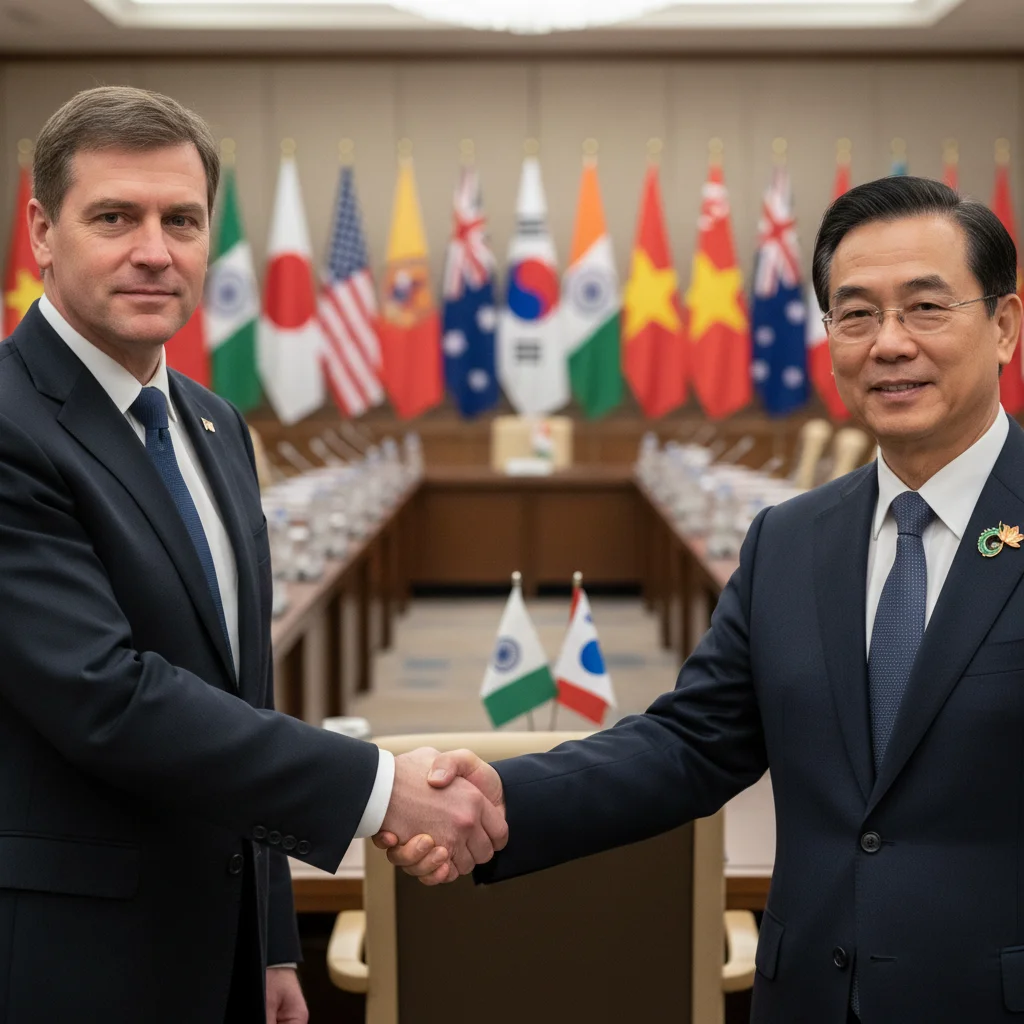
The fourth and arguably most immediate pillar of the Indo-Pacific Strategy 2026 is the enhancement of regional security and deterrence. This pillar directly addresses the growing security challenges in the Indo-Pacific, from maritime disputes and territorial claims to the proliferation of advanced weaponry. The U.S. aims to maintain a credible deterrent posture, reassure allies, and work with partners to uphold a rules-based international order that prevents conflict and promotes peaceful resolution of disputes.
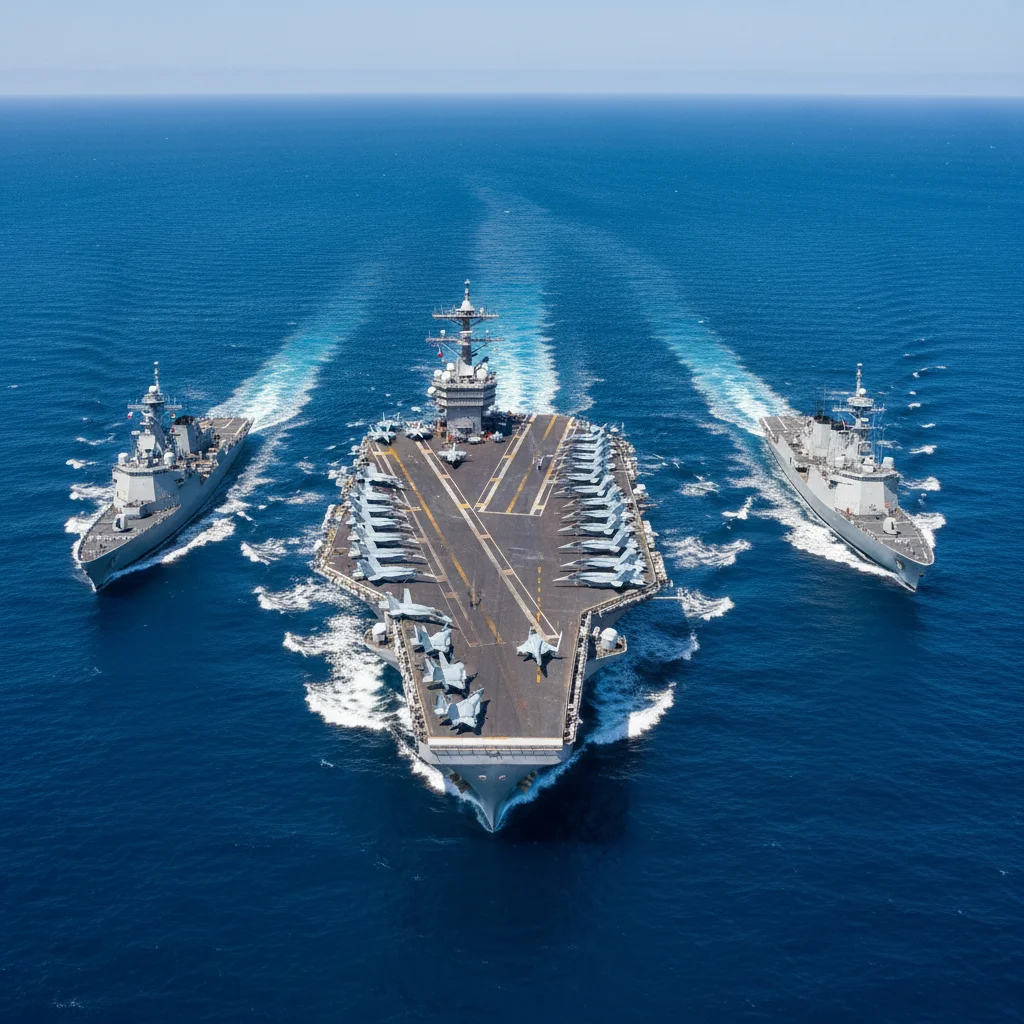
A central element of this pillar is strengthening military readiness and interoperability. The U.S. continues to invest in its forward-deployed forces in the Indo-Pacific, ensuring they possess the capabilities and training necessary to respond to a wide range of contingencies. This includes modernizing naval and air assets, enhancing logistics and sustainment capabilities, and developing advanced information warfare and cyber defense systems. Joint exercises with allies and partners are crucial for building collective defense capabilities and fostering seamless coordination in times of crisis.
The strategy also focuses on bolstering maritime security, a critical concern in a region dominated by vast oceans and vital shipping lanes. This involves supporting freedom of navigation operations, combating illegal, unreported, and unregulated (IUU) fishing, and enhancing the capacity of regional partners to patrol and protect their maritime domains. The U.S. works with coastal states to strengthen their maritime law enforcement capabilities, share intelligence on illicit activities, and promote adherence to international maritime law, particularly the UN Convention on the Law of the Sea (UNCLOS).
Deterrence in the Indo-Pacific Strategy 2026 is not solely military; it also encompasses a robust diplomatic and economic component. The U.S. uses its diplomatic leverage to de-escalate tensions, promote dialogue, and encourage peaceful resolution of disputes. Economic tools, such as sanctions and trade incentives, are also employed strategically to deter aggressive behavior and encourage adherence to international norms. The goal is to make the costs of aggression outweigh any potential benefits, thereby preserving regional peace and stability.
Addressing the proliferation of weapons of mass destruction (WMD) and their delivery systems remains a high priority. The U.S. works with international partners to prevent the spread of nuclear, chemical, and biological weapons, and to counter the development of ballistic missiles. This includes robust non-proliferation efforts, export controls, and intelligence sharing. The strategy recognizes that the proliferation of such weapons poses an existential threat to regional and global security, and requires a concerted, multilateral response.
Finally, enhancing regional security also involves building resilience against hybrid threats and asymmetric warfare. This includes strengthening cyber defenses, countering malign influence operations, and improving critical infrastructure protection. The Indo-Pacific Strategy 2026 acknowledges that future conflicts may not always take traditional forms, and therefore requires a comprehensive approach to security that addresses both conventional and unconventional threats. By strengthening regional security and deterrence, the U.S. aims to ensure a stable and predictable environment conducive to prosperity and cooperation.
4 Key Diplomatic Engagements to Maintain Regional Stability
Beyond the broad pillars of the Indo-Pacific Strategy 2026, specific diplomatic engagements are crucial for translating strategic objectives into tangible outcomes. These engagements represent the active pursuit of dialogue, cooperation, and consensus-building, serving as the arteries through which the strategy’s lifeblood flows. Here are four key diplomatic engagements that are paramount to maintaining regional stability:
1. Multilateral Forums and Institutions
The U.S. places significant emphasis on engaging with and strengthening existing multilateral forums and institutions in the Indo-Pacific. Organizations like ASEAN, the East Asia Summit (EAS), the ASEAN Regional Forum (ARF), and APEC (Asia-Pacific Economic Cooperation) provide essential platforms for dialogue on a wide array of issues, from security and economic cooperation to environmental protection. By actively participating in these forums, the U.S. demonstrates its commitment to multilateralism and its respect for regional ownership of solutions.
Engagement in these forums allows the U.S. to articulate its vision for a free and open Indo-Pacific, promote shared norms and principles, and build consensus on critical issues. It also provides opportunities to address sensitive topics diplomatically, reducing the risk of miscalculation and fostering greater transparency among nations. The Indo-Pacific Strategy 2026 leverages these platforms to advance collective action on transnational challenges, such as climate change, pandemic preparedness, and counter-terrorism, which require a coordinated international response.
2. Strategic Dialogues and Minilateral Groupings
In addition to broad multilateral forums, the U.S. actively participates in and promotes strategic dialogues and minilateral groupings, which are smaller, more flexible arrangements of like-minded countries. The Quadrilateral Security Dialogue (Quad) is a prime example, bringing together the U.S., Japan, Australia, and India to coordinate efforts on maritime security, infrastructure development, critical and emerging technologies, and public health. These groupings are agile and can often address specific challenges more efficiently than larger forums.
Other examples include trilateral dialogues, such as those between the U.S., Japan, and South Korea, or the U.S., Australia, and the UK (AUKUS). These focused engagements allow for deeper collaboration on specific security and economic issues, enhancing interoperability and information sharing. The Indo-Pacific Strategy 2026 recognizes that these minilateral arrangements complement broader multilateral efforts, providing additional layers of cooperation and resilience within the regional security architecture. They are instrumental in building trust and fostering a shared understanding of regional threats and opportunities.

3. People-to-People Exchanges and Public Diplomacy
Diplomacy is not solely conducted at the government-to-government level; it also involves fostering connections between people. The Indo-Pacific Strategy 2026 places significant emphasis on people-to-people exchanges, cultural programs, educational initiatives, and public diplomacy efforts. These engagements are vital for building mutual understanding, countering negative narratives, and cultivating a new generation of leaders who share a vision for a peaceful and prosperous Indo-Pacific.
Programs such as the Young Southeast Asian Leaders Initiative (YSEALI), Fulbright scholarships, and various cultural exchange programs create lasting bonds and foster goodwill. They allow individuals from diverse backgrounds to learn from each other, collaborate on shared interests, and develop appreciation for different cultures. Public diplomacy, through strategic communication and engagement with local communities, helps to convey the U.S.’s commitment to the region and address misconceptions. These efforts are crucial for winning hearts and minds, building long-term relationships, and reinforcing the shared values that underpin the strategy.
4. Crisis Diplomacy and Conflict Resolution Mechanisms
Despite all efforts to prevent conflict, crises can and do arise. Therefore, a critical component of the Indo-Pacific Strategy 2026 involves robust crisis diplomacy and the development of effective conflict resolution mechanisms. This includes maintaining open lines of communication with all regional actors, including potential adversaries, to prevent miscalculation and de-escalate tensions. The U.S. actively participates in confidence-building measures and transparency initiatives designed to reduce the risk of accidental conflict.
The strategy also supports regional efforts to establish and strengthen mechanisms for peaceful dispute resolution, such as arbitration, mediation, and judicial processes. While upholding international law, particularly concerning maritime claims, the U.S. encourages all parties to seek peaceful and diplomatic solutions rather than resorting to coercion or force. This proactive approach to crisis management and conflict resolution is essential for maintaining stability and ensuring that disagreements do not escalate into broader conflicts that could undermine the prosperity and security of the entire Indo-Pacific region.
Challenges and the Path Forward for the Indo-Pacific Strategy 2026
While the Indo-Pacific Strategy 2026 is comprehensive and forward-looking, its implementation is not without significant challenges. The sheer scale and diversity of the Indo-Pacific region mean that a one-size-fits-all approach is ineffective. Each nation has its own unique historical context, political system, economic priorities, and security concerns. Navigating this complexity requires immense diplomatic skill, flexibility, and a deep understanding of local dynamics. The U.S. must tailor its engagements to the specific needs and aspirations of its partners, ensuring that its actions are perceived as supportive and collaborative, rather than prescriptive.
One of the most persistent challenges remains the strategic competition with China. Balancing cooperation where possible (e.g., on climate change) with robust competition where necessary (e.g., on human rights, maritime security, and economic coercion) is a delicate act. The Indo-Pacific Strategy 2026 aims to avoid a binary choice for regional nations between the U.S. and China, instead offering a compelling vision of a free and open region where all nations can thrive. However, China’s growing influence and its willingness to use economic and military leverage will continue to test the resolve and unity of U.S. alliances and partnerships.
Internal political and economic instability within some Indo-Pacific nations also poses a challenge. Democratic backsliding, human rights abuses, and economic disparities can undermine regional cohesion and divert attention from broader strategic goals. The U.S. must continue to support democratic transitions and good governance, even when faced with setbacks, recognizing that long-term stability is built on these foundations. This requires patient diplomacy and a commitment to upholding universal values.
Furthermore, resource constraints and competing global priorities can impact the implementation of the Indo-Pacific Strategy 2026. Sustaining a robust diplomatic, economic, and military presence in such a vast region requires significant investment and political will. The U.S. must ensure that its commitments are matched by adequate resources and that its focus on the Indo-Pacific remains steadfast amidst other global challenges. The credibility of the strategy hinges on its consistent and sustained execution.
The path forward for the Indo-Pacific Strategy 2026 involves continued adaptation and innovation. This includes exploring new forms of cooperation, such as "flexilateral" arrangements that bring together different combinations of partners for specific issues. It also means investing in next-generation technologies that enhance collective security and economic competitiveness. Moreover, fostering greater regional ownership and leadership, empowering Indo-Pacific nations to shape their own futures, is paramount. The U.S. seeks to be a partner, not a hegemon, in this endeavor.
Ultimately, the success of the Indo-Pacific Strategy 2026 will be measured not just by the absence of conflict, but by the presence of shared prosperity, strengthened democratic institutions, and a secure and resilient regional order. It is a long-term commitment, requiring sustained diplomatic effort, strategic foresight, and the unwavering dedication of the United States and its partners to the vision of a free and open Indo-Pacific.
Conclusion: A Vision for a Free and Open Indo-Pacific
The Indo-Pacific Strategy 2026 encapsulates the United States’ profound commitment to a region that is indispensable for global peace, security, and prosperity. It is a strategically vital framework designed to navigate the complex geopolitical currents of the 21st century, ensuring that the Indo-Pacific remains free, open, secure, and resilient. Through the deliberate strengthening of alliances and partnerships, the advancement of economic prosperity, the unwavering support for democratic values and good governance, and the enhancement of regional security and deterrence, the U.S. aims to foster an environment where all nations can flourish.
The four key diplomatic engagements discussed—multilateral forums, strategic dialogues, people-to-people exchanges, and crisis diplomacy—are not isolated initiatives but interconnected components of a holistic approach. They serve as the practical mechanisms through which the strategic pillars are realized, fostering trust, building consensus, and enabling collective action. These engagements underscore the understanding that complex regional challenges demand collaborative solutions, and that sustained dialogue is the most effective pathway to stability.
The vision embedded within the Indo-Pacific Strategy 2026 is one of a region where international rules and norms are upheld, where sovereignty is respected, and where economic opportunities are accessible to all, free from coercion. It is a vision that recognizes the immense potential of the Indo-Pacific, from its vibrant economies to its diverse cultures, and seeks to harness this potential for the benefit of its billions of inhabitants and the wider world. The challenges are undeniable, ranging from geopolitical competition to transnational threats like climate change and pandemics. However, the strategy provides a clear roadmap for addressing these complexities with resolve and adaptability.
As we look towards 2026 and beyond, the sustained implementation of this strategy will be crucial. It requires not only consistent U.S. leadership but also the active participation and ownership of its Indo-Pacific partners. The strength of this strategy lies in its collaborative nature, its recognition that shared challenges are best met with shared solutions. By continuing to invest in its alliances, engage diplomatically, and uphold its values, the United States aims to contribute to an Indo-Pacific that is not only free and open but also resilient, prosperous, and a beacon of stability in an increasingly interconnected world. The future of global order will, in many ways, be shaped by the success of the Indo-Pacific Strategy 2026.