Robotics Reshaping US Workforce: Automation’s 5% Annual Growth Impact
Anúncios
The Future is Now: How Robotics is Reshaping the US Workforce with 5% Annual Growth
Anúncios
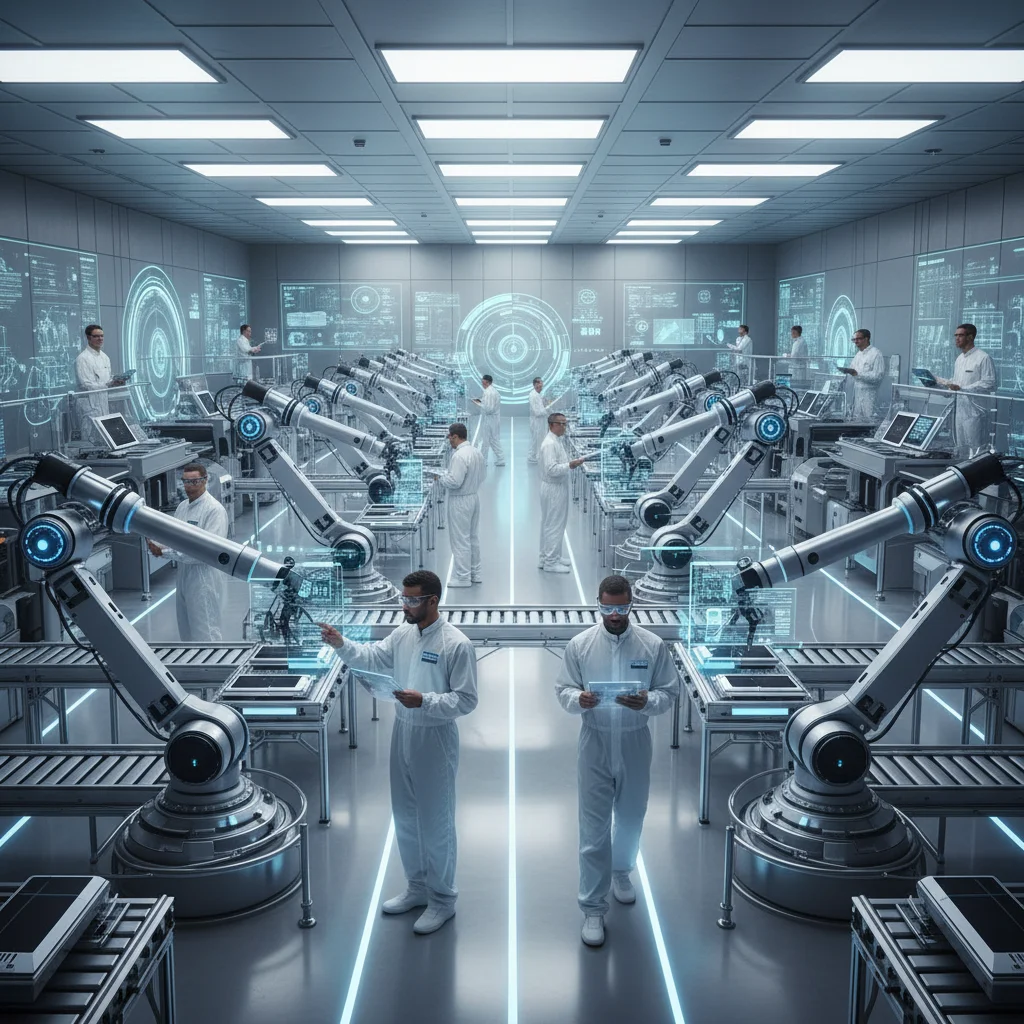
The landscape of the US workforce is undergoing a profound transformation, driven by the relentless march of technological innovation, particularly in the fields of robotics and automation. With an impressive 5% annual growth rate, the integration of advanced robotic systems is not just a trend; it’s a fundamental shift that is redefining job roles, creating new industries, and challenging traditional notions of employment. This article delves deep into how robotics is reshaping the US workforce, exploring the opportunities, challenges, and the strategic imperative for adaptation.
Understanding the Rise of Robotics in the US Economy
The term ‘robotics’ often conjures images of science fiction, but its practical application in the US economy is very real and rapidly expanding. From advanced manufacturing facilities to sophisticated logistics warehouses, and even into healthcare and service sectors, robots are becoming indispensable tools. This widespread adoption is fueled by several factors: the need for increased efficiency, improved safety in hazardous environments, the demand for higher quality products, and the quest for competitive advantage in a globalized market.
Anúncios
The 5% annual growth in robotics adoption signifies a significant acceleration in this technological integration. This growth isn’t uniform across all sectors, but its cumulative impact is creating a ripple effect across the entire US workforce. It’s not merely about replacing human labor; it’s about augmenting human capabilities, automating repetitive tasks, and enabling humans to focus on more complex, creative, and strategic endeavors. The evolution of artificial intelligence (AI) and machine learning (ML) capabilities further enhances robotics, allowing robots to perform more intricate tasks, learn from experience, and adapt to changing environments, thereby expanding their utility and impact.
Historically, technological advancements have always influenced labor markets. The Industrial Revolution, for instance, dramatically shifted populations from agrarian societies to industrial ones. The current wave of robotics and automation is arguably an equally transformative period, requiring a similar level of societal and economic adjustment. Understanding the nuances of this growth and its implications is crucial for policymakers, educators, businesses, and individual workers alike.
Key Drivers of Robotics Growth
- Increased Efficiency and Productivity: Robots can operate 24/7 without fatigue, performing tasks with precision and speed unmatched by human labor. This leads to higher output and lower production costs.
- Enhanced Safety: In dangerous environments, such as those involving heavy machinery, extreme temperatures, or hazardous materials, robots can perform tasks that would put human workers at risk.
- Improved Quality and Consistency: Robotic systems perform tasks with remarkable consistency, reducing errors and ensuring a uniform quality of products or services.
- Cost Reduction: While initial investment in robotics can be substantial, the long-term operational cost savings, especially in labor and waste reduction, are significant.
- Technological Advancements: Continuous improvements in AI, sensors, machine vision, and collaborative robot (cobot) technologies make robots more versatile, easier to program, and safer to work alongside.
- Demographic Shifts: Aging populations and declining birth rates in some regions lead to labor shortages, making automation an attractive solution to maintain productivity.
Impact on the US Workforce: Challenges and Opportunities
The discussion around robotics and the US workforce often centers on job displacement. While it is undeniable that some job categories, particularly those involving highly repetitive or dangerous tasks, will see a reduction in human roles, this narrative often overshadows the significant opportunities and new job creation that automation brings. The 5% annual growth rate in robotics is not just about machines taking over; it’s about a fundamental restructuring of the economy that demands a proactive response from all stakeholders.
Job Displacement and Transformation
Certain sectors, such as manufacturing, logistics, and even some aspects of the service industry, are experiencing direct impacts on their workforce composition. Manual assembly line jobs, data entry roles, and warehouse picking tasks are increasingly being automated. This displacement can lead to anxieties and economic hardship for affected workers if not managed with foresight and strategic planning. However, it’s more accurate to view this as job transformation rather than outright elimination. Many roles are not disappearing entirely but are evolving to require different skill sets.
For example, a factory worker who once performed repetitive tasks might now be responsible for monitoring robotic systems, programming their movements, or maintaining their hardware. This shift requires a different kind of expertise, moving from manual labor to technical and cognitive skills. The challenge lies in ensuring that the existing workforce has access to the training and education necessary to make this transition smoothly.
New Job Creation and Skill Demands
The growth of robotics also generates entirely new categories of jobs. The design, development, installation, maintenance, and programming of robotic systems all require skilled professionals. We are seeing a surge in demand for robotics engineers, AI specialists, data scientists, automation technicians, and human-robot interaction designers. These are high-skill, high-wage jobs that contribute significantly to economic growth.
Furthermore, as robots handle the more mundane aspects of work, humans are freed up to engage in tasks that require uniquely human attributes: creativity, critical thinking, complex problem-solving, emotional intelligence, and interpersonal communication. This could lead to a ‘humanization’ of the workforce, where jobs that leverage these innate human strengths become more valued and prevalent. Roles in customer service, creative industries, strategic management, and innovation are likely to see increased demand and importance.
The rise of robotics also fuels growth in ancillary industries. The companies that produce robotic components, develop software, provide integration services, and offer training solutions are all expanding, creating a robust ecosystem around automation. This creates a multiplier effect, where investment in robotics stimulates growth in various related sectors, further reshaping the US workforce landscape.
Adapting to the Robotic Age: Education, Training, and Policy
To navigate the changes brought about by the 5% annual growth in robotics, a concerted effort from all sectors of society is essential. This includes significant investments in education and training, proactive policy-making, and a cultural shift towards lifelong learning.
Reimagining Education and Skill Development
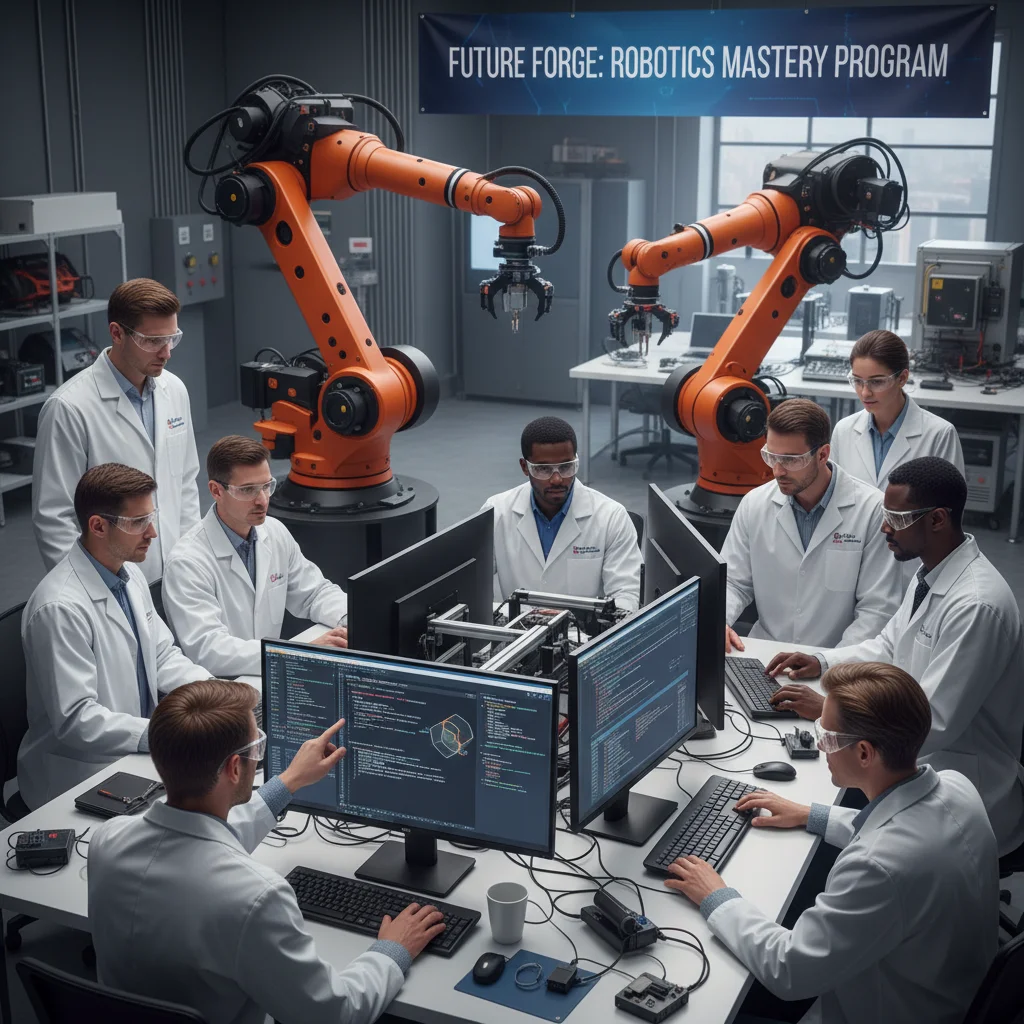
The traditional educational model, which often prepares individuals for a single career path, is becoming increasingly obsolete in the face of rapid technological change. The future workforce will require adaptability, continuous learning, and a broad range of skills. Educational institutions need to:
- Emphasize STEM Education: Science, Technology, Engineering, and Mathematics (STEM) skills are foundational for understanding and working with robotics and automation. Early exposure and robust programs are crucial.
- Promote Digital Literacy: Basic digital skills are no longer sufficient. Workers need to be proficient in data analysis, software applications, and understanding complex digital systems.
- Foster Soft Skills: As robots handle technical tasks, human workers will need to excel in collaboration, communication, creativity, critical thinking, and emotional intelligence.
- Develop Vocational Training and Apprenticeships: Practical, hands-on training for specific robotic systems and automation technologies will be vital for technicians and operators.
- Encourage Lifelong Learning: The concept of reskilling and upskilling must become ingrained in the workforce culture. Governments, businesses, and individuals must invest in continuous learning opportunities.
The Role of Government and Policy Makers
Governments have a critical role to play in shaping a future where robotics benefits all segments of the US workforce. This includes:
- Investing in R&D: Funding research and development in robotics and AI can ensure the US remains at the forefront of innovation.
- Developing Supportive Policies: Policies that encourage businesses to invest in automation while also protecting workers, such as tax incentives for training programs or wage insurance for displaced workers, can ease the transition.
- Creating Safety Regulations: As robots become more prevalent, clear safety standards for human-robot interaction are essential.
- Addressing Ethical Concerns: Policies need to consider the ethical implications of AI and robotics, including data privacy, bias in algorithms, and accountability.
- Facilitating Public-Private Partnerships: Collaboration between government, industry, and academia can create effective solutions for workforce development and economic adaptation.
Sector-Specific Transformations Driven by Robotics
The impact of robotics and automation is not uniform across all industries. Different sectors are experiencing unique transformations, requiring tailored strategies for adaptation. Understanding these sector-specific changes is key to grasping the full scope of how robotics is reshaping the US workforce.
Manufacturing: The Pioneer of Automation
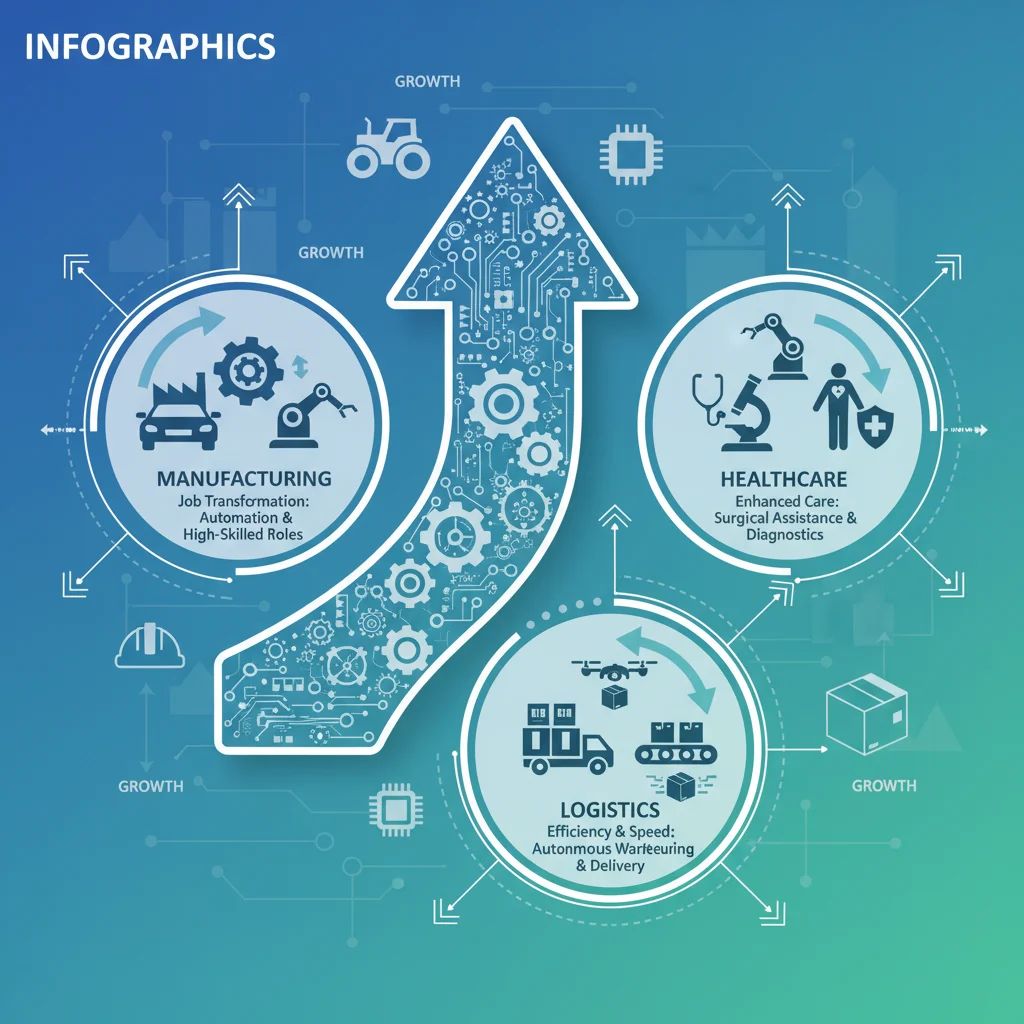
Manufacturing has historically been at the forefront of automation, and with the 5% annual growth in robotics, this trend continues to accelerate. Robots are used for assembly, welding, painting, material handling, and quality inspection. This has led to:
- Increased Competitiveness: US manufacturers can compete more effectively with global players by improving efficiency and reducing costs.
- Reshoring of Production: Automation can make it economically viable to bring manufacturing operations back to the US, creating new jobs in advanced manufacturing.
- Demand for Skilled Technicians: While some manual jobs decline, there’s a growing need for engineers, programmers, and maintenance technicians for robotic systems.
Logistics and Warehousing: The Automation Revolution
E-commerce growth has propelled the automation of logistics and warehousing. Robotic systems are used for picking, packing, sorting, and transporting goods. This sector is witnessing a dramatic shift towards highly automated facilities, leading to:
- Faster Order Fulfillment: Robots significantly speed up the processing and shipping of orders.
- Optimized Space Utilization: Automated storage and retrieval systems (AS/RS) can make better use of warehouse space.
- New Roles in Automation Management: Demand for specialists who can manage, optimize, and troubleshoot complex automated warehouse systems.
The 5% annual growth in robotics in the US workforce is a powerful indicator of this accelerating trend. It underscores the urgent need for individuals, businesses, and governments to proactively adapt to this changing landscape. The video below provides further insights into the transformative power of robotics and its implications for the future of work.
Healthcare: Enhancing Care and Efficiency
Robotics in healthcare is expanding beyond surgical robots to include telemedicine, patient monitoring, drug dispensing, and even rehabilitation. The growth in this sector is driven by the need for:
- Improved Patient Outcomes: Precision surgery and automated diagnostics can enhance treatment effectiveness.
- Reduced Workload for Staff: Robots can handle repetitive tasks, freeing up medical professionals to focus on direct patient care.
- New Medical Technology Roles: Creation of jobs for operating, maintaining, and developing advanced medical robotic devices.
Service Industries: Emerging Automation Frontiers
While often seen as resistant to automation, service industries are increasingly adopting robotics. This includes robotic waiters, automated cleaning systems, and even AI-powered customer service bots. The impact here is more about augmenting human service rather than outright replacement, leading to:
- Enhanced Customer Experience: Robots can handle routine inquiries, allowing human staff to focus on complex customer needs.
- Efficiency in Repetitive Tasks: Automation of tasks like cleaning, food preparation, and delivery.
- Demand for Human-Robot Interaction Specialists: Professionals who can design seamless interactions between customers and robotic service providers.
The Human Element: Ethical Considerations and Societal Impact
Beyond the economic transformations, the 5% annual growth of robotics in the US workforce also brings significant ethical considerations and societal impacts that must be thoughtfully addressed. The integration of robots into daily life and work raises questions about fairness, equity, and the very nature of human work.
Ethical Robotics and AI Development
As robots become more autonomous and intelligent, ensuring their ethical development and deployment is paramount. This includes:
- Bias in Algorithms: AI systems powering robots can inherit biases present in their training data, leading to unfair or discriminatory outcomes. Developers must actively work to identify and mitigate these biases.
- Transparency and Explainability: Understanding how AI-driven robots make decisions is crucial for accountability and trust, especially in sensitive applications like healthcare or law enforcement.
- Data Privacy: Robots often collect vast amounts of data. Robust privacy safeguards are necessary to protect individuals’ information.
- Human Oversight: Maintaining human oversight and control over critical robotic systems is essential to prevent unintended consequences and ensure ethical operation.
Societal Implications and the Future of Work-Life Balance
The widespread adoption of robotics could fundamentally alter societal structures and individual experiences of work. Potential impacts include:
- Redefining ‘Work’: As robots take on more tasks, society might need to reconsider the definition of ‘work’ and the value placed on different types of contributions.
- Leisure and Creativity: With less time spent on repetitive tasks, there could be an increase in leisure time and opportunities for creative pursuits, fostering a more innovative society.
- Income Inequality: Without proper policies, the benefits of automation could disproportionately accrue to a few, exacerbating income inequality. Discussions around universal basic income (UBI) and other social safety nets are becoming more relevant.
- Mental Health and Job Satisfaction: The nature of work will change, potentially leading to higher job satisfaction for those engaged in more creative and strategic roles, but also new forms of stress related to technological demands and job insecurity for others.
Conclusion: Navigating the Robotic Frontier
The 5% annual growth of robotics in the US workforce is an undeniable force, propelling us into a new era of work and productivity. This transformation is not a distant future; it is unfolding now, bringing with it both significant challenges and unprecedented opportunities. While concerns about job displacement are valid and require thoughtful solutions, the potential for increased efficiency, enhanced safety, and the creation of new, higher-value jobs cannot be overstated.
Successfully navigating this robotic frontier requires a multi-faceted approach. It demands proactive investments in education and continuous skill development to equip the workforce with the tools needed for the jobs of tomorrow. It calls for innovative policy-making that fosters technological advancement while ensuring equitable distribution of its benefits and robust social safety nets. Furthermore, it necessitates a collaborative spirit among government, industry, academia, and individuals to adapt to the evolving demands of the labor market.
The future of the US workforce in the age of robotics is not predetermined. It is a future that we, as a society, have the power to shape. By embracing innovation, investing in human potential, and addressing ethical considerations head-on, we can harness the power of robotics to build a more productive, prosperous, and fulfilling working life for all Americans. The journey ahead will be complex, but with foresight and collaboration, the integration of robotics can lead to a stronger, more resilient US economy and a more adaptable and skilled workforce.
The narrative should shift from ‘robots taking jobs’ to ‘robots changing jobs’ and ‘robots creating jobs.’ By focusing on upskilling, reskilling, and fostering human-centric skills, the US workforce can not only survive but thrive in this automated future. The ongoing dialogue and strategic planning are paramount to ensuring that this technological revolution serves humanity’s best interests, creating a future where technology empowers rather than diminishes the human spirit in the workplace.