5G Beyond Speed: New U.S. Industrial Applications Driving 15% ROI by Mid-2026

Anúncios
The fifth generation of wireless technology, 5G, is often discussed in terms of blazing-fast download speeds for consumers. However, its true revolutionary potential lies far beyond merely quicker streaming or gaming. For industries across the United States, 5G is not just an upgrade; it’s a fundamental shift, a foundational technology poised to unlock unprecedented levels of efficiency, automation, and data-driven decision-making. The promise of 5G industrial ROI is becoming a tangible reality, with projections indicating a significant 15% return on investment by mid-2026 for early adopters and strategic implementers.
Anúncios
This article delves deep into the transformative power of 5G in the industrial landscape of the U.S., exploring the specific applications that are driving this remarkable ROI. We will examine how industries are leveraging 5G’s unique characteristics—ultra-low latency, massive connectivity, and enhanced bandwidth—to redefine operations, create new business models, and gain a competitive edge. From smart manufacturing to advanced logistics, precision agriculture, and remote healthcare, the impact is broad and profound.
Anúncios
Understanding the Core of 5G Industrial ROI
Before we dissect specific applications, it’s crucial to understand why 5G is uniquely positioned to deliver such substantial industrial ROI. Unlike its predecessors, 5G was designed from the ground up with industrial use cases in mind. Its key attributes include:
- Ultra-Low Latency: Near real-time communication (as low as 1 millisecond) is critical for applications requiring instantaneous feedback, such as autonomous vehicles, remote control of heavy machinery, and collaborative robotics. This directly translates to improved safety, reduced errors, and enhanced operational precision.
- Massive Machine-Type Communications (mMTC): 5G can connect an astonishing number of devices per square kilometer—up to one million. This capability is foundational for the Internet of Things (IoT) in industrial settings, enabling vast sensor networks, asset tracking, and environmental monitoring without network congestion.
- Enhanced Mobile Broadband (eMBB): While often highlighted for consumer speeds, eMBB also provides the high bandwidth necessary for industrial applications involving large data transfers, such as high-definition video surveillance, augmented reality (AR) for maintenance, and complex data analytics at the edge.
- Network Slicing: This feature allows network operators to create virtual, customized networks tailored to specific industrial needs. A factory, for instance, can have a dedicated ‘slice’ of the 5G network guaranteeing specific performance characteristics (e.g., ultra-low latency for critical control systems), ensuring reliability and security.
- Edge Computing Integration: 5G works hand-in-hand with edge computing, processing data closer to its source. This reduces backhaul traffic, minimizes latency, and enables faster, more localized decision-making, which is vital for real-time industrial processes.
These combined capabilities are not just incremental improvements; they are foundational elements for a new era of industrial automation and intelligence, directly contributing to the projected 5G industrial ROI.
Smart Manufacturing: The Epicenter of 5G Transformation
The manufacturing sector is arguably where 5G’s impact is most pronounced, driving the concept of ‘Industry 4.0’ into a tangible reality. Smart factories, powered by 5G, are becoming more agile, efficient, and resilient.
Automated Guided Vehicles (AGVs) and Autonomous Mobile Robots (AMRs)
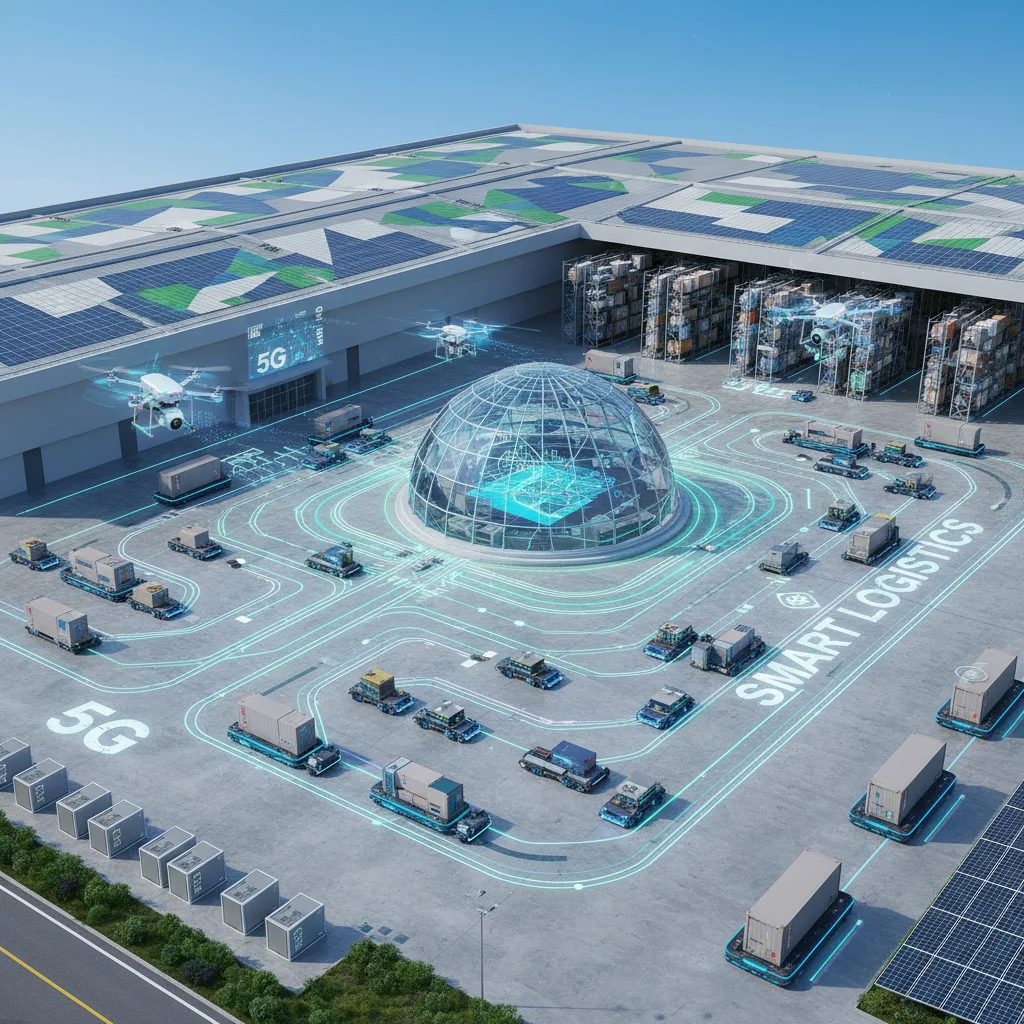
5G’s low latency and massive connectivity capabilities are revolutionizing internal logistics. AGVs and AMRs can navigate complex factory floors more efficiently, communicate with each other and central control systems in real-time, and dynamically adapt to changing production needs. This reduces human error, improves material flow, and drastically cuts operational costs, directly impacting 5G industrial ROI.
Predictive Maintenance and Remote Monitoring
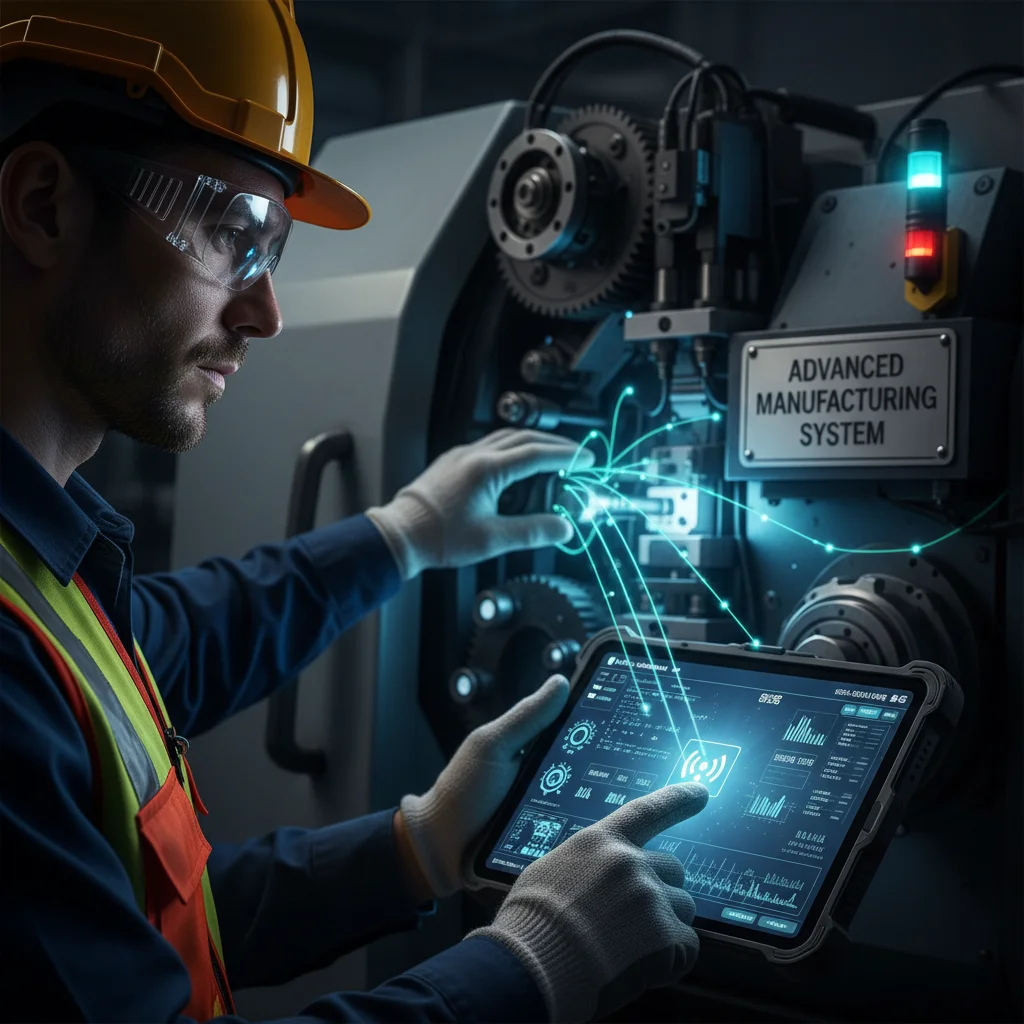
By connecting thousands of sensors on machinery via 5G, manufacturers can collect vast amounts of data on equipment performance. This data, analyzed at the edge or in the cloud, enables predictive maintenance, anticipating failures before they occur. This minimizes downtime, extends equipment lifespan, and optimizes maintenance schedules, leading to significant cost savings and enhanced productivity. Remote monitoring, facilitated by high-bandwidth 5G, allows experts to diagnose and troubleshoot issues from anywhere, reducing the need for costly on-site visits.
Augmented Reality (AR) for Assembly and Training
AR applications, demanding high bandwidth and low latency, are transforming assembly lines and training programs. Workers can wear AR glasses that overlay digital instructions, schematics, or performance data onto their real-world view, guiding them through complex tasks with increased accuracy and speed. This accelerates training, reduces errors, and improves overall productivity, contributing to a measurable 5G industrial ROI.
Real-time Quality Control and Defect Detection
High-resolution cameras and sensors, connected via 5G, can perform real-time quality inspections on production lines. AI algorithms can analyze images and data instantaneously to detect defects, ensuring consistent product quality and reducing waste. The speed and reliability of 5G are crucial for these time-sensitive applications.
Logistics and Supply Chain Optimization with 5G
The complex world of logistics and supply chain management is another prime beneficiary of 5G’s capabilities, where enhanced visibility and efficiency translate directly into significant 5G industrial ROI.
Real-time Asset Tracking and Inventory Management
Massive IoT deployments, enabled by 5G, allow for granular tracking of goods, vehicles, and assets across the entire supply chain. From smart pallets to individual packages, companies can monitor location, environmental conditions (temperature, humidity), and even potential tampering in real-time. This improves accountability, reduces loss, and optimizes inventory levels, cutting storage costs and preventing stockouts.
Automated Ports and Warehouses
5G is empowering the automation of ports and large warehouses. Autonomous cranes, forklifts, and drones can operate with greater precision and coordination, accelerating loading/unloading processes and improving throughput. The low latency ensures safe and efficient operation of these heavy-duty autonomous systems, bolstering the 5G industrial ROI.
Optimized Route Planning and Fleet Management
By integrating real-time traffic data, weather conditions, and vehicle telemetry via 5G, logistics companies can dynamically optimize delivery routes. This reduces fuel consumption, minimizes delivery times, and enhances customer satisfaction. 5G also facilitates advanced fleet management, allowing for remote diagnostics and predictive maintenance of vehicles.
Agriculture: Precision and Productivity Driven by 5G
The agricultural sector, often seen as traditional, is undergoing a significant digital transformation with 5G, leading to ‘precision agriculture’ and substantial 5G industrial ROI.
Smart Farming and Sensor Networks
5G enables the deployment of vast networks of sensors across fields to monitor soil conditions, moisture levels, crop health, and livestock. Farmers receive real-time data, allowing them to optimize irrigation, fertilization, and pest control with unprecedented precision. This reduces resource waste (water, pesticides, fertilizers) and increases crop yields.
Autonomous Agricultural Machinery
Tractors, harvesters, and drones can operate autonomously with high precision, guided by 5G connectivity. This reduces labor costs, improves efficiency, and allows for operations around the clock, optimizing planting and harvesting windows. The low latency of 5G is crucial for the safe and reliable operation of these autonomous vehicles.
Remote Livestock Monitoring
Wearable sensors on livestock, connected via 5G, can monitor health, location, and behavior. Farmers can detect early signs of illness, track grazing patterns, and ensure animal welfare, leading to healthier herds and improved productivity. This direct impact on yields and reduced losses contributes to significant 5G industrial ROI.
Energy and Utilities: Smarter Grids and Safer Operations
For energy and utility companies, 5G offers the potential for more resilient, efficient, and safer operations, driving a positive 5G industrial ROI.
Smart Grids and Real-time Monitoring
5G enables real-time communication between smart meters, sensors, and grid infrastructure. This allows for dynamic load balancing, faster fault detection and isolation, and more efficient integration of renewable energy sources. The enhanced visibility and control lead to reduced energy waste, improved reliability, and lower operational costs.
Remote Inspection and Maintenance of Infrastructure
Drones equipped with high-resolution cameras and thermal sensors, connected via 5G, can perform remote inspections of power lines, pipelines, and wind turbines. This reduces the need for dangerous manual inspections, improves safety, and allows for proactive maintenance, preventing costly outages.
Worker Safety and Connectivity in Remote Areas
For field workers in remote or hazardous environments, 5G provides reliable connectivity for communication, access to critical data, and real-time safety monitoring. Wearable devices can track vital signs and location, and in emergencies, 5G can facilitate rapid response, enhancing worker safety and operational resilience.
Healthcare: Transformative Remote Care and Hospital Efficiency
While often associated with consumer health, 5G’s industrial applications extend into healthcare, particularly for remote diagnostics, patient monitoring, and hospital operational efficiency, contributing to a distinctive 5G industrial ROI.
Remote Patient Monitoring (RPM) and Telemedicine
5G’s high bandwidth and low latency enable seamless transmission of high-definition medical imaging and real-time vital signs from remote locations. This facilitates advanced telemedicine consultations, remote diagnostics, and continuous monitoring of chronic patients, reducing hospital readmissions and improving access to care, especially in rural areas.
Connected Ambulances and Emergency Services
Ambulances equipped with 5G can transmit patient data, live video feeds, and diagnostic information to hospitals while en route. This allows medical teams to prepare for the patient’s arrival, potentially saving critical time and improving outcomes. The reliability of 5G is paramount in these life-saving scenarios.
Hospital Operations and Asset Tracking
Within hospitals, 5G can power vast IoT networks for tracking medical equipment, patient flow, and staff location. This optimizes resource allocation, reduces search times for critical assets, and improves overall operational efficiency, leading to cost savings and better patient care.
The Path to Achieving 15% 5G Industrial ROI by Mid-2026
Achieving a 15% 5G industrial ROI by mid-2026 is an ambitious yet attainable goal for U.S. industries that adopt a strategic approach. Several factors are crucial for successful implementation:
1. Strategic Planning and Use Case Identification
Companies must move beyond simply ‘adopting 5G’ and instead focus on identifying specific pain points and opportunities where 5G can deliver measurable value. This involves a thorough analysis of current operations, potential bottlenecks, and areas for automation or efficiency gains. Starting with pilot projects that demonstrate clear ROI is often the best approach.
2. Investment in Private 5G Networks
For many industrial applications, especially those requiring ultra-reliability and customized performance, private 5G networks are proving to be the optimal solution. These dedicated networks offer enhanced security, greater control over network parameters, and guaranteed quality of service, which are critical for mission-critical industrial operations. The investment in private 5G is a key enabler for maximizing 5G industrial ROI.
3. Ecosystem Collaboration and Partnerships
No single entity can deliver the full promise of 5G. Successful deployments require collaboration between network operators, equipment vendors, system integrators, software providers, and industrial end-users. Partnerships can help leverage expertise, share costs, and accelerate deployment.
4. Data Analytics and AI Integration
5G generates vast amounts of data. To unlock its full value and achieve significant 5G industrial ROI, this data must be effectively collected, processed, and analyzed using advanced analytics and artificial intelligence (AI). AI algorithms can identify patterns, predict outcomes, and automate decision-making, turning raw data into actionable insights.
5. Workforce Training and Skill Development
The introduction of 5G-powered industrial solutions requires a skilled workforce capable of operating, maintaining, and innovating with these new technologies. Investment in training and upskilling programs is essential to ensure employees can adapt to new roles and leverage the full potential of 5G.
6. Cybersecurity as a Priority
As more devices become connected and operations become more automated, cybersecurity becomes paramount. Robust security measures must be integrated into every layer of the 5G industrial ecosystem to protect against cyber threats and ensure operational integrity. A secure network is a reliable network, directly impacting the anticipated 5G industrial ROI.
Challenges and Considerations
While the promise of 5G industrial ROI is significant, there are challenges to address:
- Deployment Costs: Initial investment in 5G infrastructure, especially private networks, can be substantial. However, the long-term ROI often justifies these upfront costs.
- Spectrum Availability: Access to suitable spectrum for industrial use cases, particularly for private networks, is a critical factor.
- Interoperability: Ensuring seamless integration of new 5G-enabled devices and systems with existing legacy infrastructure can be complex.
- Standardization: Ongoing efforts in standardization are crucial for ensuring broad adoption and compatibility of 5G industrial solutions.
Conclusion: A New Era of Industrial Prowess
The convergence of 5G, IoT, AI, and edge computing is ushering in a new era for U.S. industries. The projected 15% 5G industrial ROI by mid-2026 is not merely an optimistic forecast but a reflection of the tangible benefits that advanced wireless connectivity brings to the operational core of manufacturing, logistics, agriculture, energy, and healthcare.
By embracing 5G’s unique capabilities—ultra-low latency for critical control, massive connectivity for pervasive sensing, and enhanced bandwidth for data-rich applications—businesses can unlock unprecedented levels of automation, efficiency, and intelligence. The shift is not just about doing things faster, but about doing things smarter, safer, and with greater precision.
For U.S. companies looking to remain competitive on the global stage, investing in 5G industrial applications is no longer an option but a strategic imperative. Those that proactively plan, invest in the right infrastructure (including private 5G networks), foster collaboration, and prioritize data-driven insights will be the ones to reap the most significant rewards, driving the nation’s industrial prowess forward into a truly connected and intelligent future.