Digital Twin Technology: Revolutionizing U.S. Industry Applications for 2026
The landscape of global industry is undergoing a profound transformation, driven by advancements in digital technology. Among these innovations, digital twin applications stand out as a particularly disruptive force, promising to redefine how businesses operate, innovate, and achieve efficiency. A digital twin is essentially a virtual replica of a physical object, process, or system, updated in real-time with data from its physical counterpart. This sophisticated mirroring allows for unparalleled insights, predictive capabilities, and optimized decision-making, making it an invaluable asset for modern enterprises.
In the United States, industries are rapidly recognizing the immense potential of digital twin applications. From sprawling manufacturing plants to intricate healthcare systems and the complex infrastructure of smart cities, the adoption of this technology is not just a trend but a strategic imperative. Experts predict that by 2026, the widespread integration of digital twins will lead to significant operational cost reductions, with some estimates pointing towards a remarkable 12% decrease in expenditures across various sectors. This article will delve into the core concepts of digital twin technology, explore its practical applications within key U.S. industries, and project the tangible benefits, especially concerning cost reduction and improved efficiency, that businesses can expect to realize in the coming years.
Anúncios
Understanding the Core of Digital Twin Technology
At its heart, a digital twin is a dynamic virtual model that serves as an exact counterpart of a physical asset, process, or system. This isn’t merely a static 3D model; it’s a living, breathing digital entity that continuously receives data from sensors attached to its physical twin. This real-time data flow allows the digital twin to accurately simulate the physical twin’s behavior, performance, and condition under various circumstances. The power of digital twin applications lies in their ability to bridge the gap between the physical and digital worlds, creating a symbiotic relationship that fosters continuous improvement and innovation.
Anúncios
The concept of digital twins originated in the early 2000s, gaining significant traction with the advent of the Internet of Things (IoT), advanced analytics, artificial intelligence (AI), and machine learning (ML). These supporting technologies are crucial for the effective functioning of a digital twin:
- Internet of Things (IoT): IoT sensors collect vast amounts of data from physical assets, providing the real-time input necessary to keep the digital twin updated and accurate. Without robust IoT infrastructure, digital twins would be static and lose their predictive capabilities.
- Artificial Intelligence (AI) and Machine Learning (ML): AI and ML algorithms process the immense data streams from IoT devices, enabling the digital twin to learn from past behavior, identify patterns, predict future outcomes, and even suggest optimal solutions. This predictive power is a cornerstone of advanced digital twin applications.
- Data Analytics: Advanced analytics tools are used to interpret the data, generate actionable insights, and visualize complex information, making it accessible and understandable for decision-makers.
- Cloud Computing: Cloud platforms provide the scalable computing power and storage necessary to handle the massive datasets and complex simulations inherent in digital twin operations.
- Simulation and Modeling: Sophisticated simulation software is used to build the virtual models and test various scenarios without impacting the physical system, allowing for risk-free experimentation and optimization.
The continuous feedback loop between the physical and digital realms is what makes digital twin applications so powerful. Any change, wear, or performance degradation in the physical asset is immediately reflected in its digital counterpart, allowing for proactive interventions. Conversely, insights gained from the digital twin can be used to optimize the physical asset’s performance, design, or maintenance schedule. This iterative process drives efficiency, reduces downtime, and extends the lifespan of assets, ultimately leading to substantial cost savings.
The Promise of Cost Reduction: A 12% Target by 2026
The projected 12% cost reduction by 2026 for U.S. industries adopting digital twin technology is not an arbitrary figure. It’s an ambitious yet achievable goal rooted in the inherent capabilities of digital twin applications to optimize operations across multiple fronts. This significant saving stems from several key areas where digital twins deliver tangible financial benefits:
- Predictive Maintenance: One of the most immediate and impactful benefits of digital twins is their ability to enable predictive maintenance. By continuously monitoring the health and performance of machinery, digital twins can accurately predict when a component is likely to fail. This shifts maintenance from a reactive (breakdown repairs) or preventive (scheduled, often unnecessary, maintenance) model to a truly predictive one. This reduces costly unplanned downtime, extends equipment lifespan, optimizes spare parts inventory, and minimizes labor costs associated with emergency repairs. For industries reliant on heavy machinery, such as manufacturing and energy, this can translate into millions of dollars in annual savings.
- Optimized Resource Utilization: Digital twins provide a comprehensive view of operational processes, allowing businesses to identify inefficiencies in resource allocation – be it energy, raw materials, or human capital. By simulating different scenarios and observing their impact on the digital twin, companies can optimize production schedules, supply chain logistics, and energy consumption. This leads to less waste, lower utility bills, and a more streamlined workflow, directly contributing to cost reduction.
- Enhanced Product Design and Development: In the design phase, digital twin applications allow engineers to create virtual prototypes and test them extensively before committing to physical production. This reduces the need for expensive physical prototypes, accelerates the design cycle, and identifies potential flaws early on, preventing costly recalls or redesigns later. The ability to simulate product performance under various conditions ensures a more robust and reliable final product, further reducing warranty claims and customer service costs.
- Improved Asset Performance and Lifespan: By providing real-time insights into asset performance and allowing for precise adjustments, digital twins help companies maximize the output and extend the operational life of their equipment. Understanding how assets perform under stress or during peak loads enables better operational strategies, delaying the need for costly replacements and maximizing return on investment.
- Reduced Operational Risks: Simulating complex operations within a digital twin environment allows companies to identify and mitigate potential risks before they manifest in the physical world. This includes everything from safety hazards in a factory to potential failures in critical infrastructure. Proactive risk management prevents costly accidents, regulatory fines, and reputational damage.
The cumulative effect of these improvements across different operational facets is what drives the projected 12% cost reduction. It represents a fundamental shift from reactive problem-solving to proactive optimization, a paradigm made possible by the continuous, intelligent insights provided by digital twin applications.
Practical U.S. Industry Applications: A Deep Dive
While the theoretical benefits of digital twins are compelling, their true power is best understood through their practical implementation. Here, we explore three prominent U.S. industries where digital twin applications are already making a significant impact and are poised for even greater adoption by 2026.
1. Manufacturing: The Smart Factory Revolution
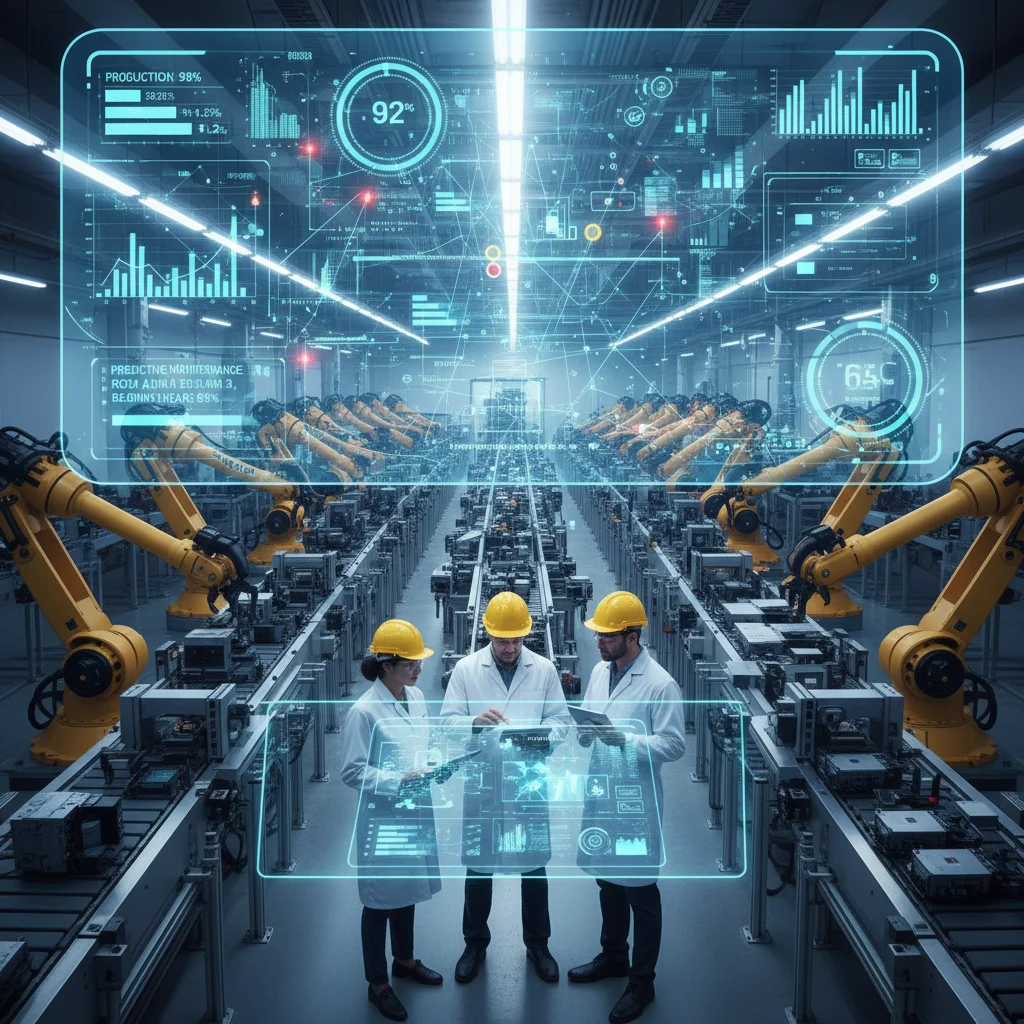
The manufacturing sector in the U.S. is a prime candidate for digital twin technology, given its complex processes, high capital expenditure on machinery, and constant drive for efficiency. Digital twin applications are central to the concept of the ‘smart factory,’ enabling a level of operational visibility and control previously unimaginable.
- Real-time Production Monitoring and Optimization: A digital twin of an entire production line or even an individual machine can provide operators with real-time data on performance metrics such as throughput, cycle times, energy consumption, and quality control. This allows for immediate identification of bottlenecks, anomalies, and areas for improvement. For example, if a machine starts vibrating beyond acceptable parameters, its digital twin will flag it, allowing for preemptive maintenance before a costly breakdown occurs. This proactive approach significantly reduces unplanned downtime, a major cost driver in manufacturing.
- Predictive Maintenance for Industrial Equipment: As highlighted earlier, predictive maintenance is a game-changer. In a manufacturing plant, a digital twin can monitor the wear and tear of critical components like bearings, gears, and motors. By analyzing vibration data, temperature fluctuations, and operational hours, the digital twin can predict the remaining useful life of a component, allowing maintenance teams to schedule repairs or replacements during planned downtime, avoiding costly emergency shutdowns. This capability alone can lead to substantial reductions in maintenance costs and improve overall equipment effectiveness (OEE).
- Virtual Commissioning and Factory Layout Optimization: Before investing millions in physical equipment and factory floor reconfigurations, manufacturers can create digital twins of their proposed layouts and machinery. This allows them to simulate production flows, identify potential collisions, optimize material handling, and test different operational scenarios in a virtual environment. This significantly reduces the risks associated with new investments, minimizes commissioning time, and ensures that the physical setup is optimized for efficiency from day one.
- Quality Control and Defect Prediction: By integrating sensor data from production processes with a digital twin, manufacturers can monitor product quality in real-time. The digital twin can identify deviations from specifications, predict potential defects, and even suggest adjustments to machine parameters to prevent faulty products. This reduces waste, rework, and the costs associated with quality control inspections, while simultaneously improving product consistency.
Consider a large automotive assembly plant. A digital twin of the entire plant can simulate paint shop operations, robotic welding sequences, and final assembly stages. If the digital twin identifies a slight deviation in paint thickness on a particular body panel, it can alert operators, who can then adjust the robotic sprayer in real-time, preventing hundreds of potentially defective vehicles. This level of precision and foresight is invaluable in driving manufacturing excellence and achieving the targeted 12% cost reduction.
2. Healthcare: Personalized Medicine and Operational Excellence
The U.S. healthcare system, characterized by its complexity, high costs, and critical need for precision, stands to gain immensely from digital twin applications. The technology offers unprecedented opportunities for personalized patient care, optimized hospital operations, and accelerated medical research.
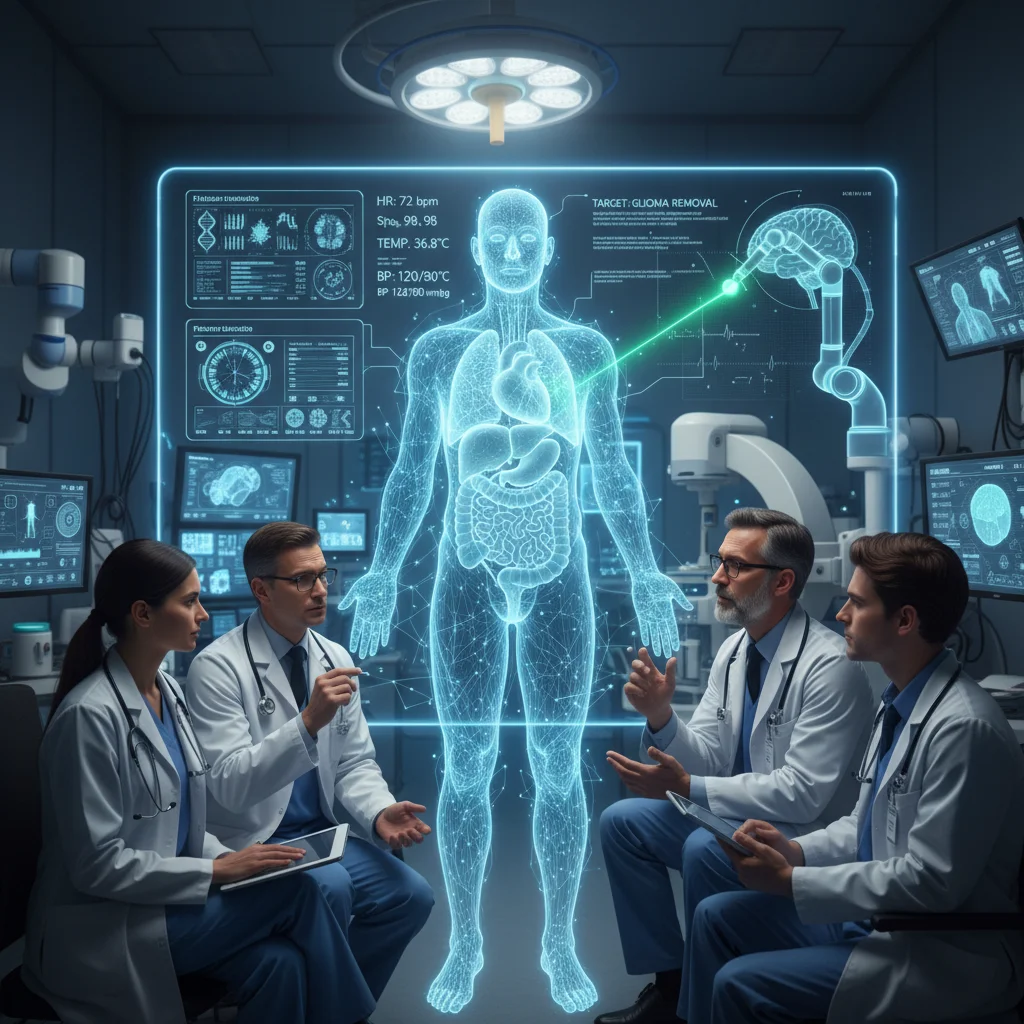
- Patient Digital Twins for Personalized Treatment: This is perhaps one of the most revolutionary applications. A patient’s digital twin is a virtual replica of their physiological state, created from their medical history, genetic data, real-time vital signs (from wearables or hospital monitors), imaging results, and lifestyle data. This dynamic model allows doctors to simulate the effects of different treatments, medications, or surgical procedures on that specific patient before actual intervention. It can predict how a patient might react to a new drug, identify potential complications, and optimize dosages, leading to highly personalized and effective treatment plans. This reduces adverse drug reactions, improves patient outcomes, and minimizes the trial-and-error approach, thereby cutting healthcare costs associated with ineffective treatments.
- Hospital and Clinic Operations Optimization: Beyond individual patients, digital twins can be created for entire hospital wings, operating rooms, or even the entire facility. These operational digital twins can simulate patient flow, staff allocation, equipment utilization, and emergency response scenarios. By identifying bottlenecks in patient admissions, optimizing surgical schedules, or improving the efficiency of resource deployment (e.g., allocating beds, managing medical supplies), hospitals can significantly reduce wait times, improve resource utilization, and lower operational costs. For instance, a digital twin could simulate the impact of adding more nurses to a particular ward during peak hours, demonstrating the efficiency gains before any actual staffing changes are made.
- Medical Device Monitoring and Maintenance: High-tech medical equipment, such as MRI machines, CT scanners, and robotic surgical systems, represents a substantial investment. Digital twins of these devices can monitor their performance in real-time, predict maintenance needs, and even diagnose issues remotely. This ensures maximum uptime for critical equipment, reduces costly emergency repairs, and extends the lifespan of these expensive assets, contributing to the overall cost reduction in healthcare infrastructure.
- Drug Discovery and Development: Pharmaceutical companies are leveraging digital twins to accelerate drug discovery. By creating digital twins of human organs, tissues, or even entire biological systems, researchers can simulate how new drug compounds interact with the body, predict efficacy, and identify potential side effects much faster and at a lower cost than traditional in-vitro and in-vivo testing. This speeds up the drug development pipeline and reduces the enormous costs associated with failed clinical trials.
The application of digital twin applications in healthcare promises not just cost efficiencies but a fundamental shift towards a more proactive, personalized, and efficient healthcare system, ultimately benefiting both providers and patients.
3. Smart Cities: Sustainable Infrastructure and Urban Management
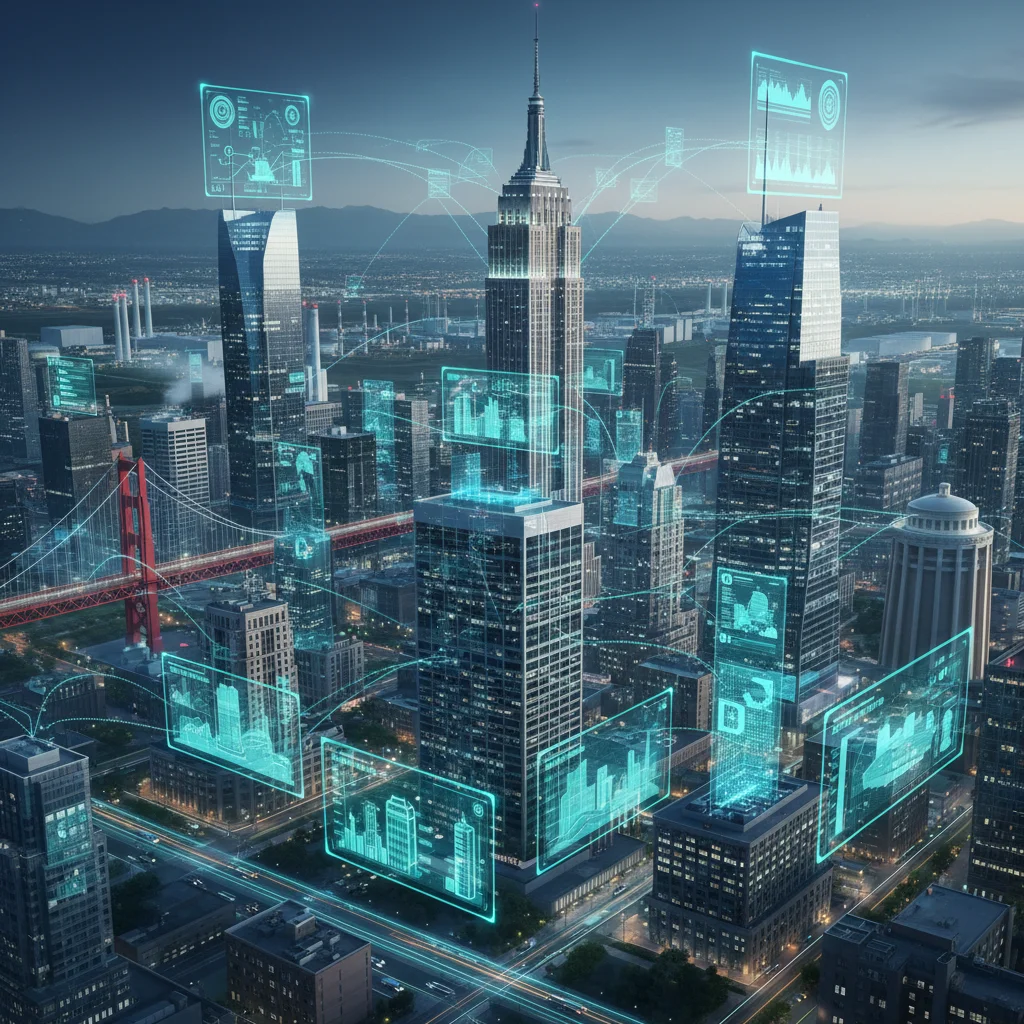
As urban populations grow, U.S. cities face increasing pressure to manage resources, reduce environmental impact, and improve the quality of life for their residents. Digital twin applications offer a comprehensive solution for designing, managing, and optimizing urban infrastructure and services, paving the way for truly smart cities.
- Urban Planning and Infrastructure Management: A digital twin of an entire city, encompassing buildings, roads, public transportation systems, utility networks (water, electricity, waste), and green spaces, provides an invaluable tool for urban planners. It allows them to simulate the impact of new construction projects, traffic management schemes, or environmental policies before implementation. For example, a digital twin can predict traffic congestion patterns with new road designs, assess the energy consumption of a proposed building complex, or model the impact of climate change on urban drainage systems. This reduces costly planning errors, optimizes resource allocation, and ensures sustainable urban development.
- Optimized Energy and Utility Grids: Digital twins of energy grids can monitor electricity consumption and generation in real-time, predict demand fluctuations, and optimize power distribution. This can lead to significant energy savings, reduced blackouts, and more efficient integration of renewable energy sources. Similarly, digital twins of water distribution networks can detect leaks, monitor water quality, and optimize pressure, minimizing water loss and operational costs.
- Traffic Management and Public Transportation: By creating digital twins of traffic networks, cities can analyze real-time traffic flow, identify congestion points, and simulate the effects of different traffic signal timings or public transport routes. This allows for dynamic adjustments to traffic management systems, reducing commute times, fuel consumption, and air pollution. Digital twins can also optimize public transport schedules and routes based on real-time demand, making urban mobility more efficient and attractive.
- Emergency Response and Public Safety: In times of crisis, a city’s digital twin can be a life-saving tool. It can model the spread of fires, simulate evacuation routes, predict the impact of natural disasters (e.g., floods, earthquakes), and optimize the deployment of emergency services. This enhances response times, minimizes damage, and protects lives, significantly reducing the economic and social costs associated with urban emergencies.
- Environmental Monitoring and Sustainability: Digital twins can integrate data from environmental sensors (air quality, noise levels, weather patterns) to provide a comprehensive picture of a city’s environmental health. This allows urban authorities to identify pollution hotspots, assess the effectiveness of environmental policies, and plan for sustainable urban growth. By optimizing resource use and reducing waste, digital twin applications contribute significantly to a city’s sustainability goals.
The transformation of U.S. cities into smart, sustainable urban centers is heavily reliant on the advanced analytical and predictive capabilities offered by digital twin applications. The projected cost reductions in managing complex urban systems are a clear indicator of this technology’s profound impact.
Challenges and the Path Forward
While the benefits of digital twin applications are undeniable, their widespread adoption in U.S. industries is not without challenges. These include:
- Data Integration and Interoperability: Digital twins rely on vast amounts of data from diverse sources. Integrating these disparate data streams and ensuring interoperability between different systems and platforms remains a significant hurdle.
- Cybersecurity Concerns: As digital twins hold sensitive operational and often proprietary data, cybersecurity is paramount. Protecting these virtual replicas from breaches and ensuring data integrity is a critical consideration.
- Initial Investment Costs: Developing and implementing sophisticated digital twin solutions requires substantial initial investment in hardware (sensors), software, and skilled personnel. However, the long-term ROI, particularly the projected 12% cost reduction, often justifies this upfront expenditure.
- Talent Gap: There is a growing demand for professionals with expertise in IoT, AI, data science, and simulation – skills essential for developing and managing digital twin ecosystems. Addressing this talent gap is crucial for accelerating adoption.
- Standardization: The lack of universal standards for digital twin development and deployment can hinder widespread adoption and interoperability across different industries and vendors.
Despite these challenges, the trajectory for digital twin applications in U.S. industries is overwhelmingly positive. Continued advancements in AI, IoT, and cloud computing, coupled with a growing understanding of the technology’s benefits, are paving the way for broader implementation. Government initiatives, industry collaborations, and academic research are further accelerating this progress, addressing the challenges and fostering an ecosystem conducive to digital twin growth.
Conclusion: The Future is Twin
The journey towards a more efficient, sustainable, and innovative industrial future in the U.S. is inextricably linked with the evolution and adoption of digital twin applications. From transforming manufacturing processes into smart, self-optimizing systems to revolutionizing healthcare with personalized treatments and streamlining urban management for sustainable living, the impact of this technology is profound and far-reaching.
The ambitious target of a 12% cost reduction across U.S. industries by 2026, driven by the strategic implementation of digital twins, underscores the tangible economic benefits awaiting early adopters. Beyond mere cost savings, digital twins empower businesses and organizations with unprecedented foresight, control, and the ability to innovate at an accelerated pace. As industries navigate an increasingly complex and competitive global landscape, the ability to create, analyze, and optimize operations in a virtual realm before committing resources in the physical world will be a decisive competitive advantage.
The future of U.S. industry is undoubtedly digital, and at its forefront are the dynamic, intelligent, and transformative capabilities of digital twin applications. Embracing this technology is not just about staying competitive; it’s about pioneering a new era of operational excellence, sustainable growth, and impactful innovation.