Insider Report: 7 Emerging Wellness Technologies to Watch in the U.S. by 2026
Anúncios
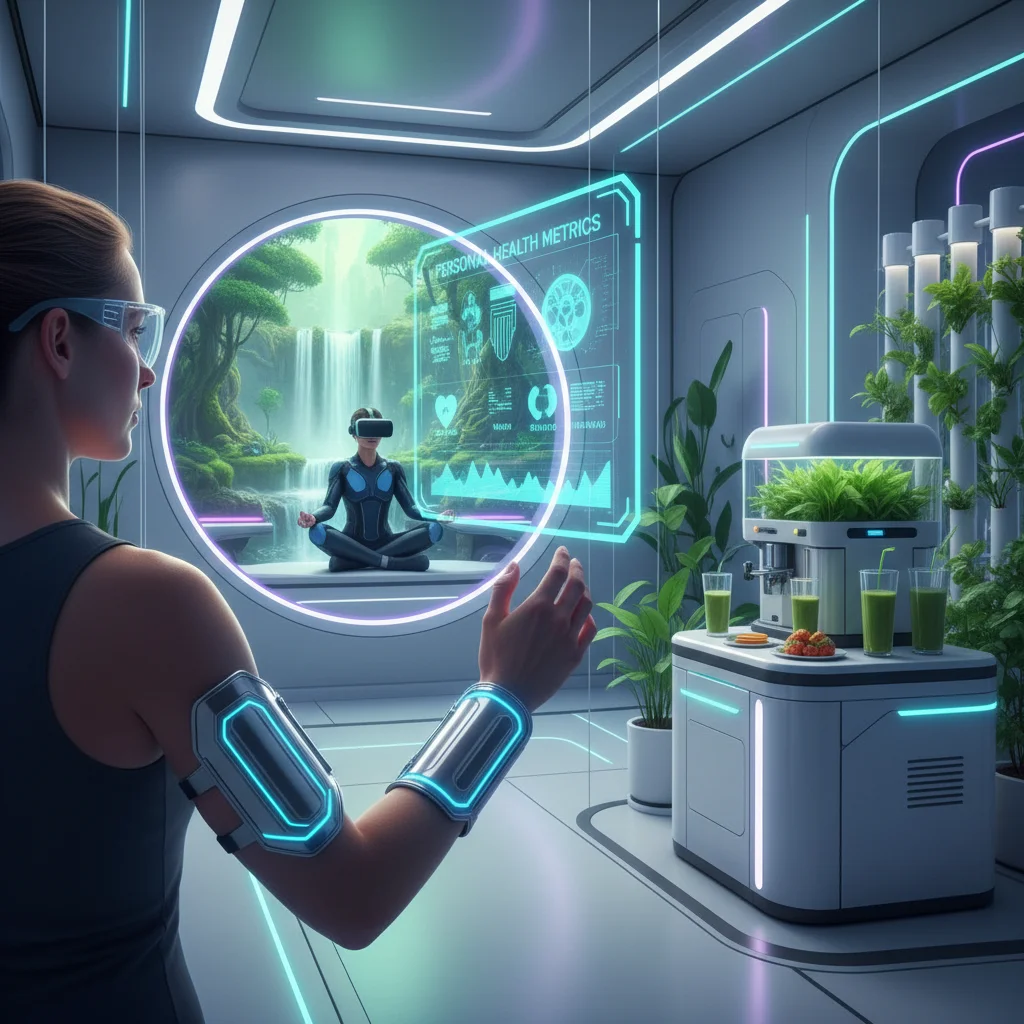
The landscape of health and well-being is undergoing a profound transformation, driven by rapid advancements in technology. As we approach 2026, the United States is poised to witness an explosion of emerging wellness technologies that promise to redefine how we manage our health, prevent disease, and optimize our overall quality of life. This insider report delves into the seven most impactful innovations that are not just on the horizon, but actively shaping the future of personal wellness.
Anúncios
From hyper-personalized diagnostics to AI-driven mental health support, these technologies are moving beyond mere convenience to offer truly transformative solutions. They empower individuals with unprecedented control over their health data, foster proactive rather than reactive care, and bridge gaps in access to specialized expertise. Understanding these trends is crucial for anyone looking to stay ahead in the wellness space, whether you’re a consumer, an industry professional, or an investor.
The demand for innovative wellness solutions has never been higher. A growing awareness of preventive health, coupled with an aging population and the increasing prevalence of chronic conditions, fuels the market for technologies that can offer effective, scalable, and personalized approaches to well-being. This report will provide a deep dive into each technology, exploring its potential impact, current adoption rates, and what to expect in the coming years.
Anúncios
The Dawn of Personalized Health: Tailoring Wellness to the Individual
One of the most significant shifts in the wellness industry is the move towards hyper-personalization. Generic health advice is quickly becoming a relic of the past as emerging wellness technologies enable deeply individualized insights and interventions. This trend is powered by a confluence of factors, including advancements in genomics, wearable sensors, and sophisticated data analytics.
1. AI-Driven Personalized Nutrition and Supplementation
Imagine a diet plan that evolves with your body’s unique needs, genetic predispositions, and even your gut microbiome. This is no longer science fiction. AI-driven platforms are analyzing vast amounts of data – from DNA to daily activity levels and dietary intake – to create highly personalized nutrition and supplementation recommendations. Companies are developing at-home testing kits that analyze everything from micronutrient deficiencies to genetic markers for food sensitivities. Coupled with AI algorithms, these tests generate precise dietary guidelines, meal plans, and supplement regimens designed to optimize individual health outcomes.
The impact of this technology is immense. It moves beyond the one-size-fits-all approach, addressing the root causes of health issues and empowering individuals to make informed choices about what they consume. By 2026, expect to see these services become more mainstream, integrated into regular health check-ups and accessible through user-friendly apps. The focus will be on preventing disease and enhancing performance, rather than just treating symptoms.
2. Advanced Wearable Biometric Trackers
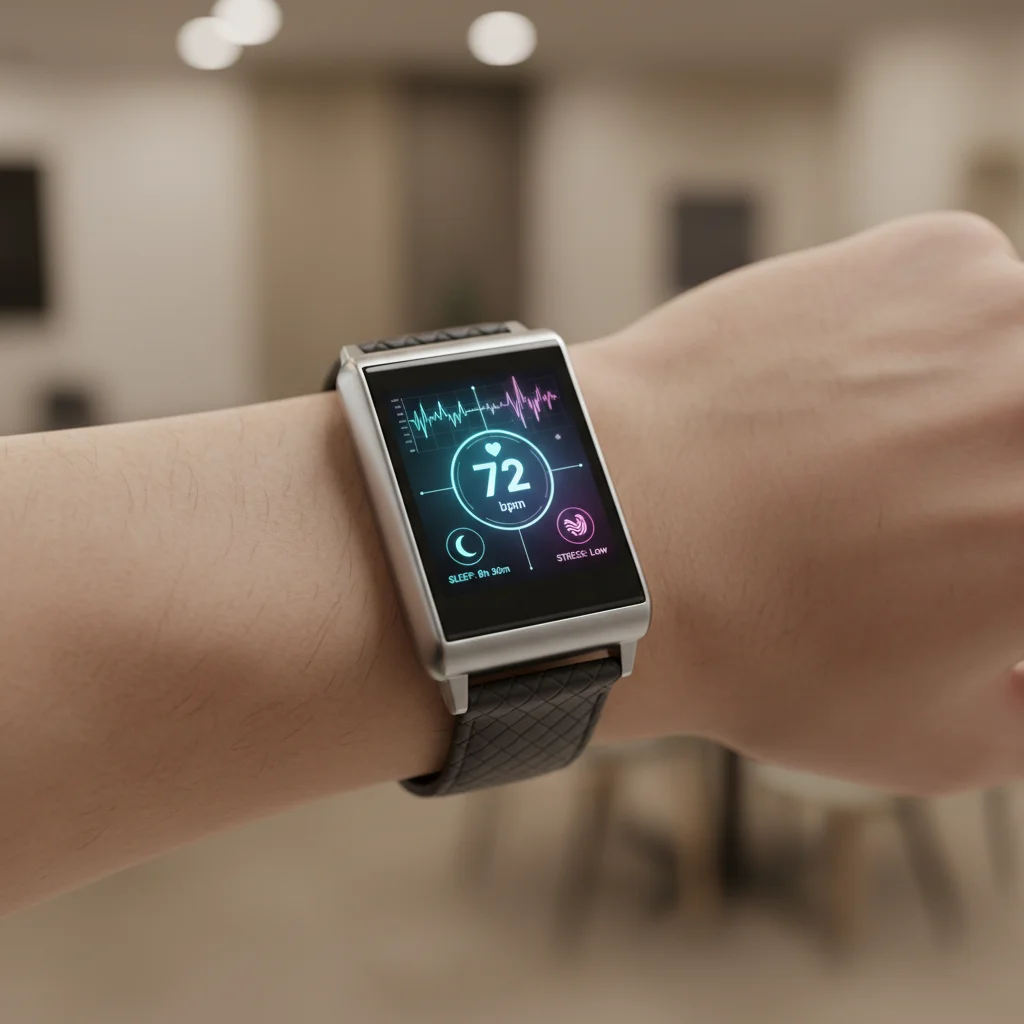
Wearable technology has moved far beyond simple step counting. The next generation of biometric trackers offers continuous, non-invasive monitoring of an ever-expanding array of physiological markers. We’re talking about devices that can accurately track blood glucose levels, blood pressure, advanced sleep stages, stress hormones, body temperature fluctuations indicative of illness, and even early signs of atrial fibrillation. These are not just gadgets; they are sophisticated health companions providing actionable insights.
The data collected by these advanced wearables fuels the personalized health revolution. It allows users and their healthcare providers to detect subtle changes that might indicate an impending health issue, enabling proactive interventions. Integration with AI platforms means these devices can not only collect data but also interpret it, offering personalized alerts, lifestyle suggestions, and even connecting users directly to telehealth services when anomalies are detected. The market for these emerging wellness technologies is projected to grow exponentially, becoming indispensable tools for preventive care.
Bridging the Gap: Accessibility and Support for Mental and Physical Health
Access to quality healthcare and mental health support remains a significant challenge for many. However, emerging wellness technologies are stepping in to democratize access, offering scalable and effective solutions that can reach individuals wherever they are.
3. AI-Powered Mental Health Companions and Therapies
The global mental health crisis necessitates innovative solutions, and AI is emerging as a powerful ally. AI-powered mental health companions, often delivered through apps or chatbots, offer accessible and confidential support around the clock. These platforms can provide guided meditations, cognitive behavioral therapy (CBT) exercises, mood tracking, and even detect early signs of distress based on user input patterns.
While not a replacement for human therapists, these AI companions serve as valuable tools for early intervention, symptom management, and reducing the stigma associated with seeking mental health care. By 2026, we anticipate more sophisticated AI models capable of personalized therapeutic conversations, offering support for a wider range of conditions, and seamlessly integrating with human-led therapy for a hybrid care model. This is one of the most promising emerging wellness technologies for addressing societal well-being.
4. Virtual Reality (VR) and Augmented Reality (AR) for Therapeutic Applications
VR and AR are moving beyond gaming to become potent therapeutic tools. For mental health, VR is being used to create immersive, controlled environments for exposure therapy for phobias, anxiety disorders, and PTSD. It can also provide calming virtual spaces for meditation and stress reduction. For physical rehabilitation, AR overlays digital information onto the real world, guiding patients through exercises, providing real-time feedback, and making recovery more engaging and effective.
The beauty of VR/AR in therapy lies in its ability to simulate scenarios that are otherwise difficult or costly to replicate, offering safe and personalized therapeutic experiences. As the technology becomes more affordable and user-friendly, its adoption in clinics, homes, and even corporate wellness programs will surge. Expect to see specialized VR/AR wellness centers and at-home therapeutic kits becoming more common by 2026.

Optimizing Performance and Longevity: Beyond Basic Health
The pursuit of optimal performance, whether physical or cognitive, and the desire for healthy longevity are driving another wave of emerging wellness technologies. These innovations aim to push the boundaries of human potential and extend our healthspan.
5. Biofeedback and Neurofeedback Devices
Biofeedback and neurofeedback technologies allow individuals to gain conscious control over involuntary bodily functions like heart rate, brainwave activity, skin temperature, and muscle tension. By providing real-time feedback, often through visual or auditory cues, these devices train users to regulate these physiological responses, leading to improved stress management, enhanced focus, better sleep, and even pain reduction.
Historically confined to clinical settings, these devices are now becoming more accessible for home use, often integrated into wearables or specialized headbands. Athletes use them for peak performance training, executives for stress resilience, and individuals for managing chronic conditions. The ability to directly influence one’s own physiology represents a powerful frontier in self-optimization and is a key area among emerging wellness technologies.
6. Advanced Sleep Optimization Tools
Sleep is increasingly recognized as a cornerstone of health, and technology is responding with sophisticated solutions. Beyond simple sleep trackers, advanced sleep optimization tools are emerging that actively intervene to improve sleep quality. This includes smart mattresses that adjust firmness and temperature based on sleep cycles, smart lighting systems that synchronize with circadian rhythms, and even sound machines that use AI to generate personalized soundscapes for deep sleep.
Some of the most cutting-edge innovations involve non-invasive brain stimulation devices designed to enhance slow-wave sleep or reduce sleep latency. The goal is not just to monitor sleep, but to actively enhance its restorative qualities, leading to improved cognitive function, mood, and physical recovery. As research continues to uncover the profound impact of sleep on overall health, these emerging wellness technologies will become indispensable.
7. Remote Patient Monitoring (RPM) and Telehealth Platforms with Integrated Diagnostics
While telehealth gained significant traction during the pandemic, its evolution continues with the integration of advanced remote patient monitoring (RPM) and diagnostic capabilities. RPM devices allow healthcare providers to continuously monitor vital signs, glucose levels, heart rhythm, and other critical health parameters from a distance. This data is then securely transmitted to a telehealth platform, where AI can analyze it for anomalies and alert clinicians.
The next generation of these platforms will integrate at-home diagnostic tools, such as smart stethoscopes, otoscopes, and even miniature blood analysis devices, allowing for more comprehensive virtual examinations. This not only improves access to care, especially for rural populations or those with mobility issues, but also enables proactive management of chronic diseases, reduces hospital readmissions, and makes healthcare more efficient and patient-centric. This convergence of monitoring and diagnostics within telehealth is a critical development among emerging wellness technologies.
The Impact and Future Outlook of Emerging Wellness Technologies
The collective impact of these emerging wellness technologies on the U.S. health landscape by 2026 will be transformative. We can expect:
- Increased Health Literacy and Empowerment: Individuals will have more data and tools to understand and manage their own health, fostering a culture of proactive well-being.
- Shift Towards Preventive Care: The ability to detect early warning signs and personalize interventions will shift the focus from treating illness to preventing it, potentially reducing the burden on healthcare systems.
- Democratization of Access: Telehealth, AI companions, and at-home diagnostics will break down geographical and socio-economic barriers to quality health and wellness support.
- Enhanced Personalization: Generic approaches will be replaced by highly tailored solutions, leading to more effective and satisfying wellness journeys.
- Ethical Considerations and Data Privacy: As more sensitive health data is collected and analyzed, robust ethical frameworks and stringent data privacy regulations will be paramount. This area will require continuous attention and development alongside technological advancements.
- Integration and Interoperability: The true power of these technologies will be realized when they can seamlessly communicate and share data, creating a holistic view of an individual’s health across different platforms and providers.
- New Business Models and Market Opportunities: The rise of these technologies will spur innovation in new products, services, and business models within the wellness sector, creating a dynamic and competitive market.
However, challenges remain. Ensuring equitable access to these technologies, addressing digital literacy gaps, and navigating the complex regulatory landscape will be critical. Data security and privacy will continue to be a major concern, requiring robust solutions and transparent policies to build consumer trust. The integration of these disparate technologies into cohesive, user-friendly ecosystems will also be a key hurdle to overcome.
Conclusion: A Healthier Future Driven by Innovation
The next few years promise to be an exciting era for wellness. The seven emerging wellness technologies outlined in this report – AI-driven personalized nutrition, advanced wearable biometric trackers, AI-powered mental health companions, VR/AR for therapeutic applications, biofeedback/neurofeedback devices, advanced sleep optimization tools, and integrated RPM/telehealth platforms – are set to fundamentally change how we approach health and well-being in the U.S.
For individuals, this means a future of highly personalized, preventive, and accessible health support. For businesses and innovators, it represents a fertile ground for growth and impact. Staying informed about these trends and understanding their implications is not just about keeping up; it’s about actively participating in shaping a healthier, more vibrant future for everyone.
As these innovations continue to mature and integrate, the line between healthcare and wellness will blur, giving rise to a proactive, holistic model of self-care. The journey to 2026 will be marked by unprecedented technological advancement, leading us toward a future where optimal health is not just a goal, but an achievable reality for more people than ever before.