NATO’s Evolution: Major Policy Shifts & US Military Strategy in 2026
Anúncios
The geopolitical landscape is in a constant state of flux, demanding that international alliances adapt and evolve to address emerging threats and opportunities. Among these, the North Atlantic Treaty Organization (NATO) stands as a cornerstone of collective security, its relevance continuously tested by a dynamic global environment. As we look towards 2026, NATO is poised for significant transformations, driven by technological advancements, shifting power dynamics, and an increasingly complex threat matrix. These NATO policy shifts will not only redefine the alliance’s operational framework but also profoundly impact U.S. military strategy and the broader international security paradigm.
Anúncios
Understanding these anticipated changes is crucial for policymakers, military strategists, and indeed, any global citizen concerned with peace and stability. This comprehensive analysis delves into three major NATO policy shifts expected by 2026, exploring their implications for the United States and the intricate web of international relations. We will examine how an enhanced focus on collective defense and deterrence, the integration of cutting-edge technologies, and the expansion of global partnerships are set to reshape the alliance’s future.
Anúncios
The Enduring Imperative: Enhanced Collective Defense and Deterrence
At its core, NATO’s mission has always been collective defense, enshrined in Article 5 of its founding treaty. However, the nature of threats has evolved dramatically since the Cold War. In 2026, we anticipate a significant reinforcement of this foundational principle, driven by renewed great power competition and persistent regional instabilities. This will manifest in several key areas, marking a pivotal NATO policy shift.
Reinvigorating Forward Presence and Readiness
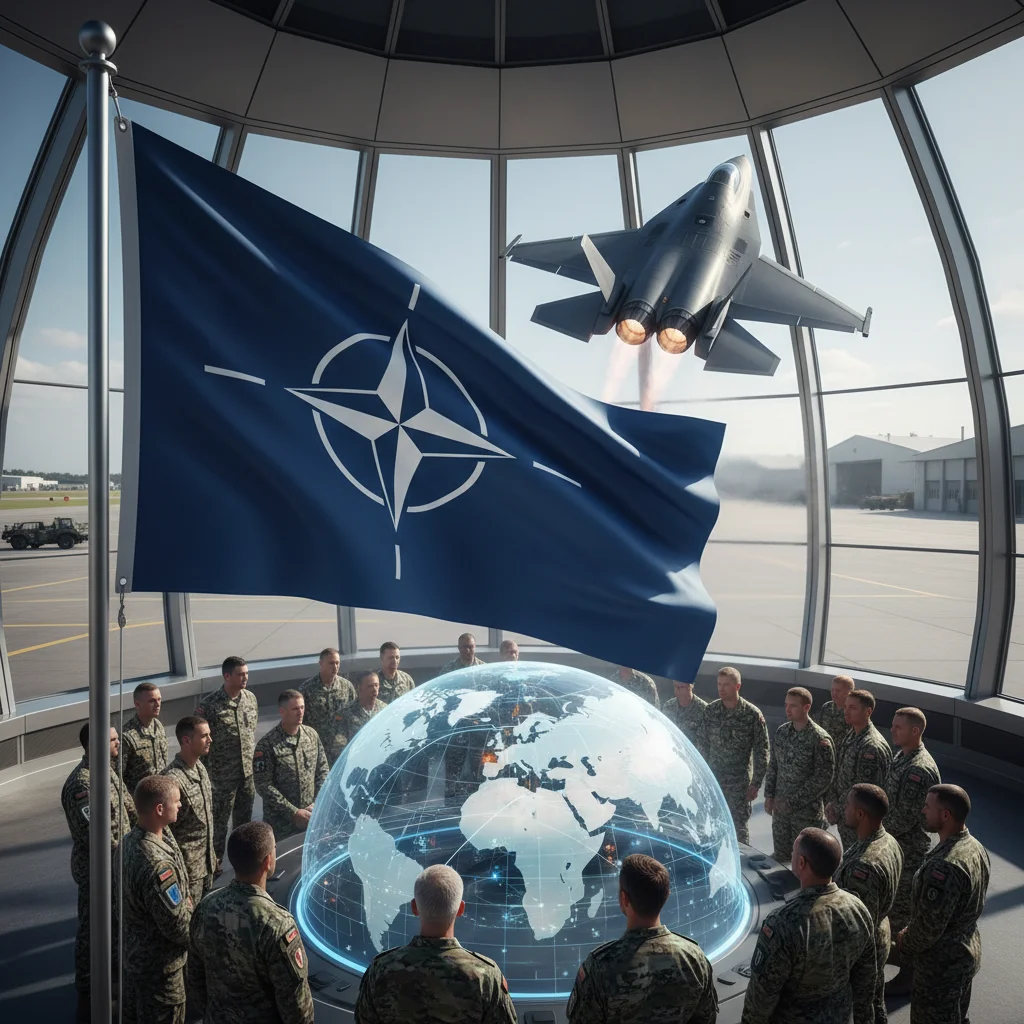
The concept of forward presence, once a hallmark of Cold War strategy, is making a strong comeback. Expect to see an increased deployment of multinational battlegroups and enhanced vigilance activities across NATO’s eastern flank. This isn’t merely about stationing more troops; it’s about integrating these forces more deeply, ensuring seamless command and control, and conducting more frequent and complex joint exercises. The goal is to present an undeniable deterrent, signaling to any potential aggressor that an attack on one ally is an attack on all, with immediate and overwhelming consequences.
For the U.S. military, this translates into a heightened commitment of resources and personnel to European operations. U.S. forces will likely play a central role in these forward deployments, bringing advanced capabilities and leadership to multinational formations. This will necessitate adaptations in training, logistics, and interoperability protocols to ensure that U.S. units can effectively integrate with their European counterparts, operating as a cohesive fighting force. The emphasis will be on agility, rapid deployment, and the ability to sustain operations in contested environments.
Strengthening Air and Missile Defense Capabilities
The proliferation of advanced air and missile technologies, including hypersonic weapons, presents a significant challenge to NATO’s air superiority and defensive posture. By 2026, a major NATO policy shift will involve a concerted effort to enhance integrated air and missile defense (IAMD) systems across the alliance. This will include investments in new sensor technologies, interceptors, and command and control architectures capable of detecting, tracking, and neutralizing a wide range of aerial threats.
The U.S. military, with its unparalleled expertise in missile defense, will be instrumental in leading this initiative. This could involve sharing advanced technologies, joint research and development programs, and the deployment of U.S. IAMD assets to critical locations within the alliance. The implications for U.S. military strategy are profound, requiring a delicate balance between protecting its own assets and contributing to the collective defense of NATO airspace. It also highlights the need for continuous innovation in counter-hypersonic capabilities, an area where the U.S. is already heavily invested.
Adapting to Hybrid Warfare and Gray Zone Tactics
Modern adversaries rarely engage in conventional, overt warfare. Instead, they often employ hybrid tactics, combining disinformation campaigns, cyberattacks, economic coercion, and support for proxy forces to destabilize regions and undermine democratic institutions. NATO’s collective defense posture in 2026 will evolve to address these ‘gray zone’ threats more effectively. This NATO policy shift will involve a more holistic approach to security, integrating intelligence sharing, cyber defense, and strategic communications.
For the U.S. military, this means expanding its understanding of and capabilities in non-kinetic warfare. Special operations forces, cyber command units, and information warfare specialists will become even more critical assets in countering these multifaceted threats. U.S. strategy will need to prioritize resilience, both within its own forces and among allied nations, to resist and respond to hybrid aggression without escalating to open conflict. This also implies a greater emphasis on civil-military cooperation and collaboration with civilian agencies to counter disinformation and strengthen societal resilience.
The Digital Frontier: Integrating Cutting-Edge Technologies
The battlefield of the future will be defined by technological superiority. NATO recognizes this reality, and by 2026, a significant NATO policy shift will be the accelerated integration of cutting-edge technologies into all aspects of its operations. This isn’t just about acquiring new hardware; it’s about fundamentally transforming how the alliance collects, processes, and acts upon information, and how it projects power.
Artificial Intelligence and Data-Driven Decision Making
Artificial intelligence (AI) and machine learning (ML) are set to revolutionize military intelligence, logistics, and targeting. NATO will increasingly leverage AI for faster threat detection, predictive analysis, and optimizing resource allocation. This will involve developing secure, interoperable AI platforms that can be shared across member states, allowing for real-time data fusion and enhanced situational awareness.
The U.S. military is at the forefront of AI development and will be a key driver of this NATO policy shift. Its strategy will focus on integrating U.S. AI capabilities with allied systems, ensuring that NATO can collectively harness the power of data. This presents both opportunities and challenges: opportunities for unprecedented operational efficiency and decision advantage, but challenges in terms of data governance, ethical considerations, and ensuring that AI systems are resilient against adversarial manipulation. U.S. military doctrine will need to adapt to a future where AI-powered systems play an increasingly autonomous role in warfare.

Cyber Warfare and Space as Contested Domains
Cyber and space are no longer merely support domains; they are critical theaters of conflict. By 2026, a major NATO policy shift will be the formal recognition and robust development of capabilities to operate and defend in these contested environments. This includes establishing dedicated cyber defense centers, developing offensive cyber capabilities, and ensuring the resilience of satellite communications and navigation systems.
The U.S. military, with its highly sophisticated Cyber Command and Space Force, will be central to NATO’s efforts in these domains. U.S. strategy will involve sharing intelligence on cyber threats, conducting joint cyber defense exercises, and collaborating on the development of resilient space infrastructure. This also brings to the forefront the need for clear rules of engagement in cyber and space warfare, an area where international norms are still nascent. The U.S. will likely advocate for robust deterrence strategies in these domains, ensuring that any attack on allied cyber or space assets is met with a swift and proportionate response.
Quantum Computing and Advanced Materials
While still in earlier stages of development, quantum computing and advanced materials hold transformative potential for military applications. By 2026, NATO’s policy will likely include strategic investments in research and development in these areas, recognizing their long-term implications for encryption, sensor technology, and stealth capabilities. This forward-looking NATO policy shift aims to maintain a technological edge over potential adversaries.
For the U.S. military, this translates into continued leadership in foundational scientific research and a commitment to integrating breakthroughs into defense systems. Collaborating with NATO allies on quantum research and advanced materials development will not only pool resources but also ensure that the alliance collectively benefits from these revolutionary technologies. This proactive approach underscores the U.S. commitment to maintaining technological superiority across the spectrum of warfare, from the micro-level of materials science to the macro-level of quantum computing.
Beyond Borders: Expanding Global Partnerships and Influence
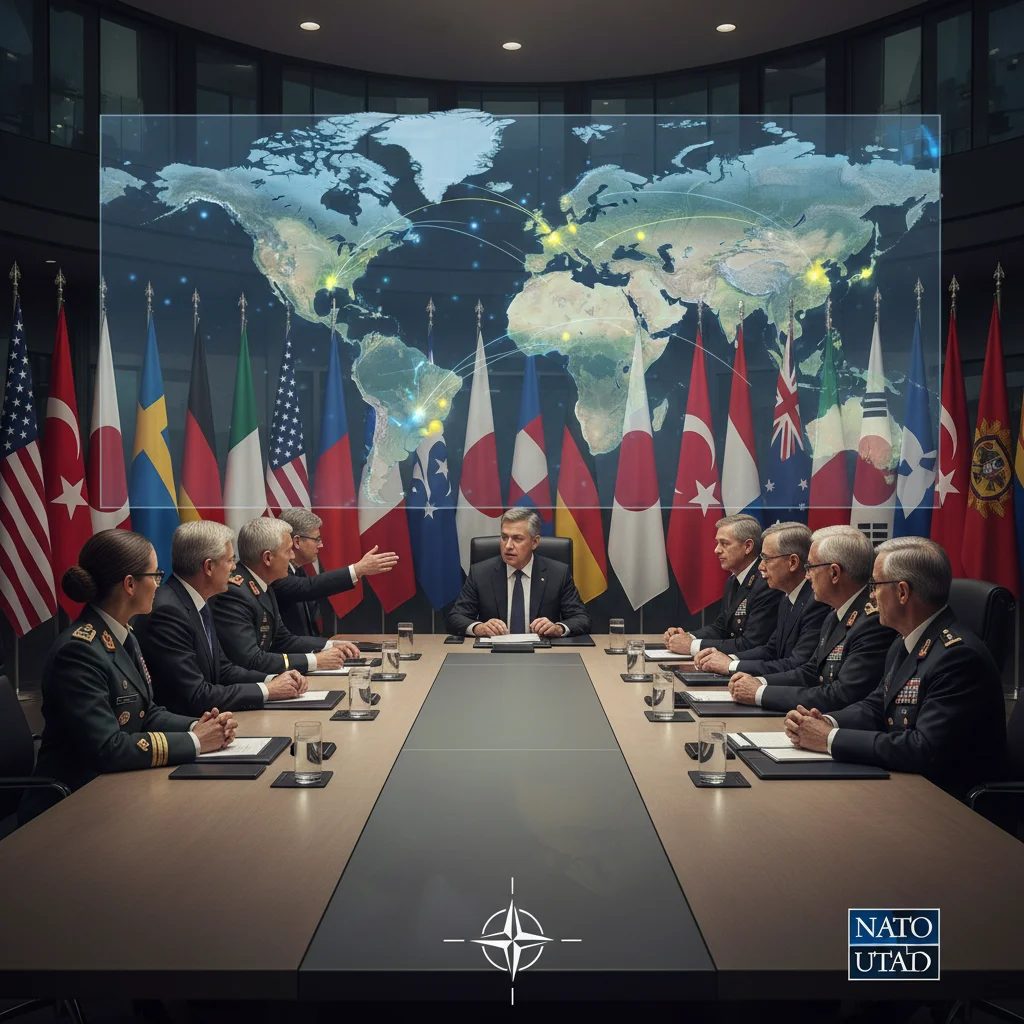
NATO’s effectiveness is not solely determined by its internal cohesion but also by its ability to engage with and influence the wider international community. By 2026, a crucial NATO policy shift will be a more deliberate and expanded approach to global partnerships, recognizing that security challenges are increasingly interconnected and require a broader network of cooperation.
Strengthening Ties with Indo-Pacific Partners
The strategic importance of the Indo-Pacific region is undeniable, given the rise of China and its implications for global trade, stability, and democratic values. While NATO is primarily a Euro-Atlantic alliance, its security interests are increasingly intertwined with developments in this region. Expect to see intensified dialogue, joint exercises, and information sharing with key Indo-Pacific partners such as Japan, South Korea, Australia, and New Zealand. This NATO policy shift acknowledges the global nature of modern security challenges.
For the U.S. military, which maintains a significant presence and strategic focus in the Indo-Pacific, this alignment with NATO’s broader engagement is highly beneficial. It reinforces the U.S.’s ‘pivot to Asia’ strategy, allowing for greater burden-sharing and coordinated responses to regional challenges. U.S. forces will likely play a bridging role, facilitating interoperability and strategic communication between European allies and Indo-Pacific partners, creating a more robust, interconnected global security architecture capable of addressing systemic challenges posed by revisionist powers.
Addressing Instability in the Middle East and Africa
The Middle East and North Africa (MENA) region, as well as parts of Sub-Saharan Africa, continue to be sources of instability, terrorism, and humanitarian crises, directly impacting European security through migration flows and radicalization. By 2026, a refined NATO policy shift will involve a more proactive and comprehensive strategy to address these challenges, moving beyond reactive interventions to focus on capacity building, intelligence sharing, and supporting local security forces.
The U.S. military, with its extensive experience in counter-terrorism and security assistance in these regions, will be a vital contributor. U.S. strategy will prioritize working alongside NATO allies to provide training, equipment, and intelligence support to partner nations, empowering them to address their own security challenges. This approach aims to foster long-term stability, reduce the appeal of extremist ideologies, and mitigate the spillover effects of regional conflicts, thereby enhancing the security of both the U.S. and its European allies. It underscores a shift towards preventative diplomacy and security sector reform as integral components of military strategy.
Strengthening Resilience and Civilian Preparedness
Modern threats are not confined to the military domain; they can target critical infrastructure, supply chains, and civilian populations. A significant NATO policy shift by 2026 will be a greater emphasis on collective resilience and civilian preparedness. This includes developing common standards for critical infrastructure protection, enhancing civil defense capabilities, and ensuring the continuity of essential services in times of crisis. This holistic approach recognizes that national security is intrinsically linked to societal resilience.
For the U.S., this means integrating civilian preparedness into its broader national security strategy and collaborating with NATO allies on best practices. It involves investments in cybersecurity for critical civilian infrastructure, developing robust emergency response plans, and fostering public awareness campaigns to counter disinformation. The U.S. military’s role might extend to providing logistical support during civilian emergencies, sharing expertise in disaster response, and assisting in the protection of vital infrastructure. This collaborative effort ensures that the alliance is not only militarily strong but also societally robust against a spectrum of threats.
Implications for U.S. Military Strategy
The anticipated NATO policy shifts by 2026 will necessitate significant adjustments and reinforcements in U.S. military strategy. The U.S. will continue to be the leading force within NATO, but its approach will need to be increasingly collaborative, adaptable, and technologically advanced. Here are some key implications:
- Increased Interoperability Demands: The emphasis on enhanced collective defense and technological integration will require U.S. forces to achieve even higher levels of interoperability with allied militaries. This means standardized equipment, common communication protocols, and joint training exercises that simulate complex, multi-domain operations.
- Resource Reallocation: The U.S. defense budget will likely see continued allocation towards emerging technologies like AI, quantum computing, and advanced cyber capabilities, not just for its own forces but also to facilitate their integration across NATO. This might involve re-evaluating existing programs and prioritizing investments that enhance alliance-wide capabilities.
- Strategic Burden-Sharing: While the U.S. will remain a primary security guarantor, the new policy shifts will encourage greater burden-sharing among European allies, particularly in areas like conventional defense spending and contributions to forward presence. U.S. strategy will aim to incentivize these contributions, ensuring a more equitable distribution of defense responsibilities.
- Global Posture Adjustments: The expansion of NATO’s global partnerships, particularly in the Indo-Pacific, will require the U.S. to carefully calibrate its military posture. This could involve more rotational deployments, enhanced naval presence, and increased intelligence sharing across a wider geographic area, balancing commitments in Europe with growing strategic interests elsewhere.
- Human Capital Development: The integration of advanced technologies and the demands of hybrid warfare will necessitate a highly skilled and adaptable U.S. military workforce. Investments in education, training, and recruitment will be crucial to develop specialists in cyber warfare, AI ethics, data science, and strategic communications.
- Diplomatic and Political Engagement: Beyond military adaptations, U.S. strategy will require intensified diplomatic and political engagement to navigate the complexities of evolving alliances and partnerships. Building consensus within NATO, managing expectations of global partners, and coordinating broader international security initiatives will be paramount.
Impact on International Security
The NATO policy shifts in 2026 will reverberate across the entire international security landscape, influencing regional stability, arms control, and the balance of power:
- Enhanced Deterrence Against Aggression: A more unified, technologically advanced, and globally connected NATO will present a formidable deterrent to any state contemplating aggressive actions against its members or their partners. This could lead to a more stable Euro-Atlantic region, but also potentially escalate tensions in other areas if not managed carefully.
- Increased Military Spending and Modernization: The emphasis on collective defense and technological integration will likely spur increased military spending and modernization efforts among NATO members and their partners. This could lead to a global arms race in certain areas, particularly in emerging technologies.
- New Norms for Cyber and Space Warfare: As NATO develops more robust capabilities in cyber and space, it will inevitably contribute to the ongoing discussions and efforts to establish international norms and rules of engagement in these domains, potentially shaping the future of warfare.
- Shifting Alliances and Coalitions: The expansion of NATO’s global partnerships could lead to the formation of new security coalitions and alignments, further complicating the geopolitical chessboard. Non-aligned nations might find themselves pressured to choose sides or enhance their own defensive capabilities.
- Challenges to Arms Control Treaties: The rapid pace of technological development, particularly in areas like AI and hypersonic weapons, could pose significant challenges to existing arms control frameworks, necessitating new approaches to managing strategic stability.
- Focus on Resilience and Societal Defense: The increased emphasis on civilian preparedness and resilience within NATO could inspire other nations and alliances to adopt similar strategies, making global society more robust against a range of threats, from natural disasters to hybrid attacks.
Conclusion: A Resilient and Responsive Alliance
By 2026, NATO is set to emerge as a more resilient, technologically advanced, and globally responsive alliance. The three major NATO policy shifts – enhanced collective defense, integration of cutting-edge technologies, and expanded global partnerships – are not merely incremental changes but rather fundamental transformations designed to address the multifaceted threats of the 21st century. For the U.S. military, these shifts demand strategic agility, continued leadership in innovation, and a deepened commitment to collaborative security.
The implications for international security are far-reaching, promising both greater stability through enhanced deterrence and the potential for new geopolitical complexities. As NATO navigates this evolving landscape, its ability to adapt, innovate, and foster strong partnerships will be paramount to safeguarding peace and security in an increasingly interconnected and unpredictable world. The future of global defense hinges significantly on how these NATO policy shifts are implemented and sustained, ensuring that the alliance remains a beacon of stability and a formidable force for collective security.