U.S. Foreign Policy 2026: Navigating Global Crises & Economic Impact
Anúncios
U.S. Foreign Policy in 2026: Navigating the 5 Biggest International Crises and Their Domestic Economic Repercussions.
The year 2026 looms as a critical juncture for U.S. foreign policy. A complex tapestry of geopolitical shifts, escalating conflicts, technological advancements, and environmental pressures promises to test the mettle of American diplomacy and its economic resilience. The United States, as a global superpower, finds itself at the epicenter of these transformations, with decisions made on the international stage reverberating profoundly within its own borders. Understanding these pivotal challenges is not merely an academic exercise; it is crucial for policymakers, businesses, and citizens alike to prepare for the cascading effects on national security, economic stability, and societal well-being.
Anúncios
This comprehensive analysis will delve into the five most significant international crises projected to dominate the U.S. foreign policy agenda in 2026. For each crisis, we will explore its multifaceted nature, the strategic dilemmas it presents for the United States, and perhaps most importantly, its direct and indirect domestic economic repercussions. From the ongoing great power competition to the relentless march of climate change, the interplay between global events and America’s economic health has never been more intertwined. Navigating these turbulent waters will require astute leadership, innovative solutions, and a clear-eyed understanding of the stakes involved. The future of US Foreign Policy 2026 hinges on these critical interactions.
Anúncios
Crisis 1: The Intensification of Great Power Competition and its Economic Fallout
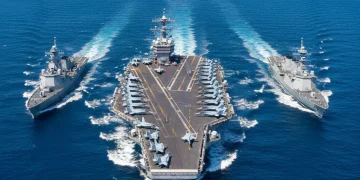
The strategic rivalry between the United States, China, and Russia is not a new phenomenon, but by 2026, it is expected to have intensified across multiple domains, presenting a formidable challenge to US Foreign Policy 2026. This competition transcends traditional military posturing, encompassing economic leverage, technological supremacy, ideological influence, and cyber warfare. The implications for global stability and the U.S. domestic economy are profound.
Geopolitical Dynamics Intensifying
China’s continued economic rise and assertive foreign policy, particularly in the Indo-Pacific region, will remain a central focus. Issues such as Taiwan’s sovereignty, disputes in the South China Sea, and China’s growing military capabilities will demand constant attention. The U.S. will likely continue to strengthen alliances with regional partners like Japan, South Korea, Australia, and India to counter Chinese influence, leading to increased military spending and complex diplomatic maneuvers. Simultaneously, Russia’s persistent efforts to destabilize Western alliances and exert influence in Eastern Europe, the Arctic, and parts of Africa will necessitate a robust and coordinated response from the U.S. and its NATO allies. The war in Ukraine, even if it has transitioned into a frozen conflict or a protracted low-intensity struggle by 2026, will continue to drain resources and shape European security architecture.
Technological Race and Economic Decoupling
The battle for technological dominance, particularly in areas like artificial intelligence, quantum computing, semiconductors, and advanced biotechnology, is a core component of this great power competition. The U.S. will likely double down on efforts to restrict China’s access to critical technologies and strengthen its own domestic innovation ecosystem. This strategy, often termed ‘decoupling’ or ‘de-risking,’ aims to reduce reliance on adversarial nations for essential goods and technologies. While intended to bolster national security, it carries significant economic costs. Companies may face increased expenses due to reshoring or ‘friend-shoring’ supply chains, leading to higher consumer prices and potentially reduced corporate profits. The semiconductor industry, in particular, will remain a flashpoint, with global supply chain vulnerabilities directly impacting U.S. manufacturing and technological advancement.
Domestic Economic Repercussions
- Increased Defense Spending: The need to maintain a technological and military edge against competitors will necessitate sustained or increased defense budgets. While this can stimulate certain sectors of the economy (e.g., aerospace, defense contractors), it diverts funds from other domestic priorities and can contribute to national debt.
- Supply Chain Restructuring Costs: Efforts to diversify and secure supply chains away from China will involve significant investment in new manufacturing facilities, logistics networks, and raw material sourcing. These costs will be borne by businesses and eventually passed on to consumers, potentially fueling inflation.
- Trade Tensions and Tariffs: The great power competition often manifests as trade disputes, tariffs, and non-tariff barriers. These measures can disrupt global trade flows, raise import costs for U.S. businesses, and make American exports less competitive, impacting sectors from agriculture to manufacturing.
- Cybersecurity Investments: As cyber warfare becomes a critical front, both government and private sectors will need to invest heavily in cybersecurity infrastructure and personnel. While creating jobs in the tech sector, these are also significant operational costs for businesses.
- Innovation and R&D Spending: The competition will spur increased government and private investment in research and development, particularly in strategic technologies. This could lead to breakthroughs and new industries, but also involves risks and potentially inefficient allocation of resources in a race to lead.
Crisis 2: The Accelerating Climate Crisis and its Economic Burden
By 2026, the impacts of the climate crisis will be undeniable and increasingly severe, presenting an existential threat and a complex challenge for US Foreign Policy 2026. Extreme weather events, rising sea levels, and ecological degradation will not only affect vulnerable nations but will also directly impact U.S. national security and economic stability. The diplomatic landscape will be heavily influenced by climate mitigation and adaptation efforts.
Global Climate Imperatives
International pressure on major economies, including the U.S., to meet ambitious emissions reduction targets will intensify. The global south, disproportionately affected by climate change, will demand greater financial and technological assistance from developed nations. This will necessitate complex multilateral negotiations, potentially leading to new international agreements and carbon pricing mechanisms. The U.S. will be expected to play a leading role in these discussions, balancing its own economic interests with global environmental responsibility. Climate migration, driven by droughts, floods, and resource scarcity, will also become a more prominent humanitarian and security concern, requiring coordinated international responses and potentially increasing pressure on U.S. borders.
Domestic Economic Repercussions
- Infrastructure Damage and Rebuilding Costs: Increased frequency and intensity of hurricanes, wildfires, floods, and heatwaves will lead to massive damage to U.S. infrastructure, including roads, bridges, power grids, and housing. Repair and rebuilding efforts will strain state and federal budgets, diverting funds from other investments.
- Agricultural Disruptions: Changes in weather patterns, prolonged droughts, and increased pests will severely impact U.S. agriculture, leading to reduced crop yields, higher food prices, and economic hardship for farmers. This can also affect food security and exports.
- Energy Transition Costs: The push towards renewable energy sources, while beneficial in the long term, requires substantial upfront investment in new infrastructure (solar farms, wind turbines, battery storage, smart grids). This transition will also impact traditional fossil fuel industries and their associated workforces.
- Health Costs: Climate change contributes to increased respiratory illnesses, heat-related deaths, and the spread of vector-borne diseases. These health impacts impose significant costs on the healthcare system and reduce workforce productivity.
- Insurance Market Volatility: As climate-related disasters become more common, insurance premiums for property in vulnerable areas will skyrocket or become unavailable, impacting real estate markets and local economies.
- Resource Competition: Climate change exacerbates competition for scarce resources like water and arable land, both domestically and internationally, potentially leading to conflicts and price volatility.
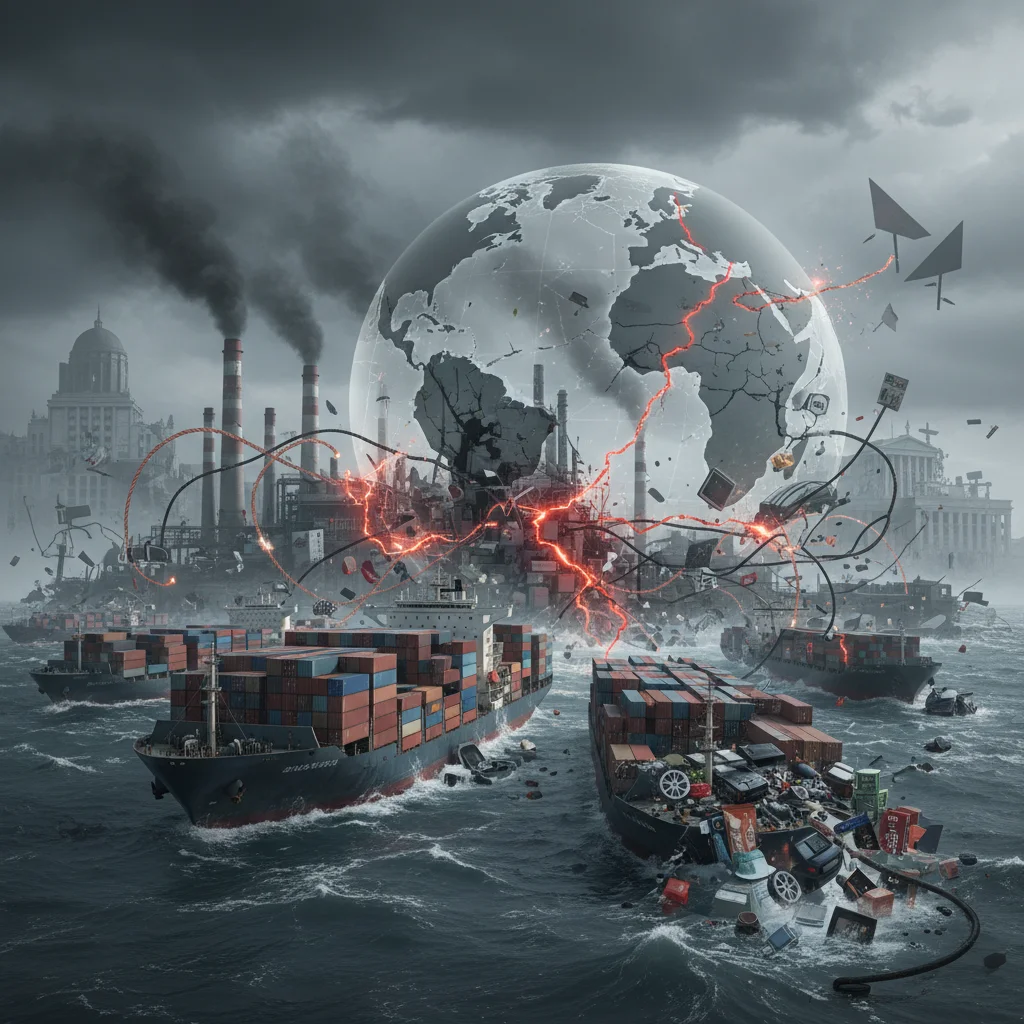
Crisis 3: Global Economic Instability and Supply Chain Vulnerabilities
The global economy in 2026 is likely to remain in a state of flux, characterized by persistent inflation, potential recessionary pressures, and deeply entrenched supply chain vulnerabilities. These factors will directly impact US Foreign Policy 2026, influencing trade relations, development aid, and international financial cooperation.
Fragile Global Economic Landscape
Lingering effects of past economic shocks, coupled with new geopolitical tensions, will contribute to an unpredictable global economic environment. High inflation in many developed nations, aggressive interest rate hikes by central banks, and the risk of sovereign debt crises in developing countries could trigger a global recession. This would reduce demand for U.S. exports, depress commodity prices, and increase financial market volatility. The U.S. will need to navigate these challenges through multilateral institutions like the IMF and World Bank, potentially offering financial assistance to vulnerable nations to prevent wider economic contagion.
Entrenched Supply Chain Issues
The vulnerabilities exposed during the COVID-19 pandemic and exacerbated by geopolitical conflicts will remain a critical concern. Reliance on single-source suppliers, particularly for essential goods like pharmaceuticals, critical minerals, and advanced electronics, presents significant risks. Disruptions due to natural disasters, trade wars, or political instability in key manufacturing hubs can quickly lead to shortages, production halts, and inflationary pressures within the U.S. The U.S. will continue to pursue strategies of diversification, reshoring, and stockpiling to enhance supply chain resilience, but these efforts are costly and time-consuming.
Domestic Economic Repercussions
- Inflationary Pressures: Persistent global supply chain disruptions, commodity price volatility (especially energy and food), and trade tensions will continue to exert inflationary pressure within the U.S. This erodes purchasing power, impacts consumer confidence, and complicates monetary policy.
- Job Market Volatility: A global economic downturn could reduce demand for U.S. goods and services, leading to job losses in export-oriented industries. Conversely, reshoring initiatives, while creating some domestic jobs, may not fully offset losses from declining global trade or automation.
- Investment Uncertainty: Companies may hesitate to invest in long-term projects due to economic uncertainty, impacting innovation and productivity growth. Foreign direct investment into the U.S. could also fluctuate based on global economic sentiment and perceived stability.
- Increased National Debt: Responding to global economic crises (e.g., providing foreign aid, stimulating domestic industries) often requires significant government spending, potentially adding to the national debt and future fiscal challenges.
- Consumer Price Hikes: Disruptions in the availability of imported goods and components will lead to higher prices for a wide range of consumer products, from electronics to automobiles, directly impacting household budgets.
Crisis 4: Regional Instability and Humanitarian Crises
Several regions globally are poised for continued or escalating instability in 2026, generating complex humanitarian crises that will demand significant attention and resources from US Foreign Policy 2026. These crises often have spillover effects, impacting global security, resource allocation, and international cooperation.
Middle East and North Africa
The Middle East remains a volatile region, with ongoing conflicts, proxy wars, and internal political instability. The Israeli-Palestinian conflict, civil wars in Syria and Yemen, and the potential for renewed tensions with Iran could all escalate. These situations create massive displacement, humanitarian emergencies, and potential for terrorist group resurgence. U.S. engagement will likely involve a delicate balancing act of diplomacy, counter-terrorism efforts, and humanitarian aid, while carefully managing relations with regional partners and adversaries.
Sub-Saharan Africa
Many nations in Sub-Saharan Africa face a confluence of challenges, including political instability, ethnic conflicts, climate change impacts, and food insecurity. The rise of extremist groups in the Sahel, coupled with weak governance and resource competition, could lead to further destabilization and large-scale displacement. The U.S. will need to consider its role in development assistance, security cooperation, and supporting democratic institutions, recognizing the long-term implications for global stability and economic partnerships.
Latin America
While often viewed through the lens of migration, several Latin American countries face significant internal challenges, including political polarization, organized crime, economic inequality, and environmental degradation. These factors contribute to instability and can lead to increased irregular migration towards the U.S. border. U.S. foreign policy will need to address root causes through economic development initiatives, security cooperation, and support for democratic governance, rather than solely focusing on border enforcement.
Domestic Economic Repercussions
- Increased Refugee and Asylum Costs: Regional conflicts and humanitarian crises often lead to increased refugee flows, placing demands on U.S. immigration systems, social services, and border security resources.
- Humanitarian Aid Spending: The U.S. is typically a leading provider of humanitarian assistance. Increased global crises will necessitate higher levels of foreign aid, diverting funds from domestic programs.
- National Security Costs: U.S. military involvement in counter-terrorism operations or peacekeeping efforts in unstable regions will continue to incur significant financial costs and potential human casualties.
- Disruptions to Trade and Investment: Instability in key regions can disrupt trade routes, impact U.S. investments abroad, and create unpredictable market conditions for American companies operating internationally.
- Energy Market Volatility: Geopolitical tensions in major oil-producing regions, like the Middle East, can directly impact global oil prices, leading to higher fuel costs for American consumers and businesses.
Crisis 5: Cyber Warfare and Digital Security Threats
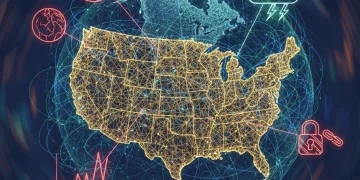
The digital realm will continue to be a primary battleground in 2026, with state-sponsored and criminal cyber attacks posing a severe and escalating threat to U.S. national security, critical infrastructure, and economic prosperity. This will be a paramount concern for US Foreign Policy 2026.
Sophisticated and Pervasive Threats
Adversarial nations will continue to invest heavily in offensive cyber capabilities, targeting U.S. government agencies, defense contractors, critical infrastructure (e.g., power grids, water systems, financial networks), and private corporations for espionage, sabotage, and intellectual property theft. Ransomware attacks, facilitated by increasingly sophisticated tools and techniques, will remain a lucrative venture for criminal groups, often with tacit state backing. The proliferation of AI and quantum computing could also introduce new vulnerabilities and accelerate the pace of cyber threats, making defense even more challenging.
International Cooperation and Norms
Developing international norms and agreements for responsible state behavior in cyberspace will be a critical, yet difficult, diplomatic endeavor for the U.S. in 2026. The lack of universally accepted rules of engagement makes attribution and retaliation complex. The U.S. will need to strengthen its cyber alliances, share threat intelligence, and coordinate defensive measures with partners, while also developing robust deterrent capabilities. The challenge lies in balancing offensive and defensive postures in a domain where the lines are often blurred.
Domestic Economic Repercussions
- Economic Losses from Cyber Attacks: Successful cyber attacks can lead to massive financial losses for U.S. businesses through data breaches, operational disruptions, intellectual property theft, and ransom payments. These costs can be devastating for affected companies and have ripple effects across supply chains.
- Increased Cybersecurity Spending: Both the government and private sector will be compelled to significantly increase spending on cybersecurity hardware, software, and skilled personnel. While creating jobs, this is a substantial operational cost that can impact profitability and public budgets.
- Disruption of Critical Infrastructure: Attacks on critical infrastructure can lead to power outages, disruptions in water supply, financial system shutdowns, and transportation chaos, causing widespread economic damage and public inconvenience.
- Erosion of Trust and Confidence: Frequent cyberattacks can erode public trust in digital systems, online commerce, and government institutions, potentially impacting economic activity and social cohesion.
- Innovation and R&D in Cyber Defense: The continuous threat will drive innovation in cybersecurity technologies and research, creating a growing market for defensive solutions and skilled talent within the U.S.

Interconnectedness and Overlapping Challenges for US Foreign Policy 2026
It is crucial to recognize that these five crises do not exist in isolation. They are deeply interconnected, with developments in one area often exacerbating challenges in another. For instance, climate change can fuel resource scarcity, leading to regional instability and humanitarian crises, which in turn can be exploited by great power competitors or become targets for cyberattacks. Economic instability can limit a nation’s ability to invest in climate resilience or cyber defense, creating a vicious cycle of vulnerability. The U.S. foreign policy apparatus in 2026 must adopt a holistic and integrated approach to these challenges, understanding that a solution in one domain might inadvertently create problems in another if not carefully orchestrated.
Strategic Imperatives for US Foreign Policy 2026
- Strengthening Alliances and Partnerships: Multilateral cooperation will be more vital than ever. The U.S. must continue to invest in its traditional alliances (NATO, Indo-Pacific partners) while also forging new coalitions to address specific challenges like climate change, cyber threats, and supply chain resilience.
- Investing in Domestic Resilience: A strong domestic economy, robust infrastructure, and a skilled workforce are foundational to effective foreign policy. Investments in education, clean energy, advanced manufacturing, and cybersecurity within the U.S. will enhance its global standing and capacity to respond to crises.
- Technological Leadership and Security: Maintaining a lead in critical and emerging technologies is essential for both national security and economic competitiveness. This requires sustained R&D investment, protection of intellectual property, and strategic export controls.
- Diplomacy and Conflict Resolution: Despite the rise of competition, diplomatic engagement remains paramount. The U.S. must pursue diplomatic solutions to conflicts, promote de-escalation, and engage in dialogue even with adversaries to manage risks and prevent miscalculation.
- Adaptable Economic Strategy: The U.S. needs an economic strategy that is resilient to global shocks, promotes fair trade, and supports domestic industries while remaining globally competitive. This includes diversifying supply chains, investing in critical sectors, and managing inflationary pressures.
Conclusion: A New Era of Global Engagement for US Foreign Policy 2026
The landscape of US Foreign Policy 2026 is undeniably complex and fraught with peril, yet it also presents opportunities for renewed American leadership and innovation. The five major international crises – intensified great power competition, the accelerating climate crisis, global economic instability and supply chain vulnerabilities, pervasive regional instability and humanitarian emergencies, and escalating cyber warfare – will collectively shape the global order and significantly impact the domestic economic well-being of the United States. Each crisis demands a nuanced understanding and a strategic response that considers both international implications and domestic repercussions.
The ability of the U.S. to successfully navigate these challenges will depend on its capacity for strategic foresight, adaptive diplomacy, robust economic policy, and unwavering commitment to its values. It requires a foreign policy that is not only reactive but proactive, anticipating future threats while building resilient systems at home and abroad. The interconnected nature of these crises means that isolated solutions are insufficient; a comprehensive, integrated approach that leverages all instruments of national power – diplomatic, informational, military, and economic – will be essential. As 2026 approaches, the decisions made today will determine America’s role in shaping a more secure, prosperous, and sustainable future for itself and the world.