Optimize Your Diet: Insider Tips for Reducing Inflammation by 15% in 3 Months
Chronic inflammation is a silent epidemic affecting millions worldwide, contributing to a myriad of health issues from heart disease and diabetes to autoimmune disorders and certain cancers. While acute inflammation is a vital part of the body’s healing process, chronic low-grade inflammation can wreak havoc on your system over time. The good news? Your diet plays a profound role in managing and reducing this inflammatory response. In fact, with targeted dietary changes, it’s entirely possible to significantly reduce inflammation, with a realistic goal of a 15% reduction in just three months.
This comprehensive guide will delve into insider tips and actionable strategies to help you achieve this goal. We’ll explore the science behind anti-inflammatory eating, identify key foods to embrace and avoid, and provide practical advice for integrating these changes into your daily life. Get ready to transform your health from the inside out by optimizing your diet to reduce inflammation.
Anúncios
Understanding Chronic Inflammation: The Root of Many Ailments
Before we dive into dietary solutions, it’s crucial to understand what chronic inflammation is and why it’s so detrimental. Inflammation is your body’s natural defense mechanism against injury, infection, or irritation. When you cut your finger or catch a cold, your immune system dispatches inflammatory cells to the site to fight off pathogens and initiate repair. This is acute inflammation – a necessary and beneficial process.
Anúncios
However, when this inflammatory response lingers for weeks, months, or even years, it becomes chronic. Unlike acute inflammation, chronic inflammation often occurs without obvious symptoms, slowly damaging tissues and organs. Factors like poor diet, stress, lack of sleep, environmental toxins, and a sedentary lifestyle can all contribute to persistent inflammation. The goal of an anti-inflammatory diet is to reduce inflammation by providing your body with the nutrients it needs to calm this overactive immune response.
Scientific studies consistently link chronic inflammation to a wide range of diseases. For instance, inflammatory markers like C-reactive protein (CRP) are often elevated in individuals with cardiovascular disease, type 2 diabetes, and metabolic syndrome. Autoimmune diseases such as rheumatoid arthritis, lupus, and inflammatory bowel disease are characterized by the immune system mistakenly attacking healthy body tissues, leading to chronic inflammation. Even conditions like depression and Alzheimer’s disease are increasingly being recognized as having inflammatory components. Therefore, learning how to reduce inflammation through diet is not just about feeling better; it’s about protecting your long-term health.
The Power of Food: How Diet Impacts Inflammation
The foods we consume directly influence our body’s inflammatory pathways. Some foods, particularly those high in refined sugars, unhealthy fats, and processed ingredients, can trigger and exacerbate inflammation. Conversely, whole, unprocessed foods rich in antioxidants, omega-3 fatty acids, and fiber can actively reduce inflammation and support overall cellular health. By making conscious food choices, you can effectively modulate your body’s inflammatory response and contribute to a healthier internal environment.
Consider the gut microbiome, for example. Your gut is home to trillions of bacteria, and the balance of these microorganisms significantly impacts your immune system and inflammatory status. A diet rich in fiber and prebiotics (found in many anti-inflammatory foods) promotes a diverse and healthy gut flora, which can produce beneficial compounds that reduce inflammation. On the other hand, a diet high in processed foods and sugar can disrupt this balance, leading to dysbiosis and increased inflammation. Therefore, when you aim to reduce inflammation diet, you are also nurturing your gut health.
Key Principles of an Anti-Inflammatory Diet to Reduce Inflammation
Achieving a 15% reduction in inflammation in three months requires a consistent and holistic approach. Here are the core principles:
1. Embrace Whole, Unprocessed Foods
The cornerstone of any anti-inflammatory diet is a focus on whole, unprocessed ingredients. This means prioritizing fresh fruits and vegetables, whole grains, lean proteins, and healthy fats. These foods are packed with vitamins, minerals, antioxidants, and phytochemicals that combat oxidative stress and inflammation at a cellular level. Avoid anything that comes in a package with a long list of unpronounceable ingredients.
2. Prioritize Omega-3 Fatty Acids
Omega-3 fatty acids, particularly EPA and DHA, are potent anti-inflammatory agents. They work by inhibiting the production of inflammatory molecules and promoting the resolution of inflammation. Aim to include rich sources of omega-3s in your diet daily.
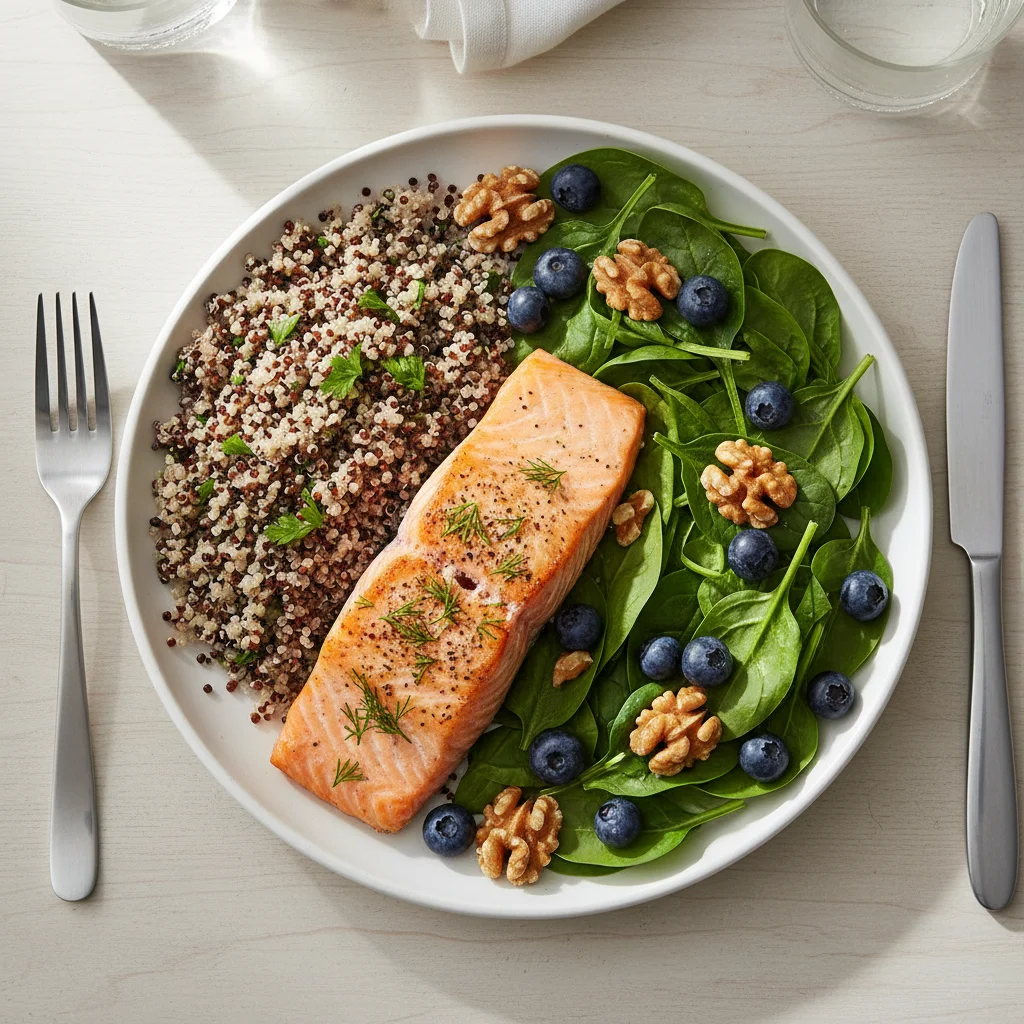
- Fatty Fish: Salmon, mackerel, sardines, herring, and anchovies are excellent sources. Aim for at least two servings per week.
- Flaxseeds and Chia Seeds: Good plant-based sources of ALA, which the body can convert to EPA and DHA (though less efficiently). Grind flaxseeds for better absorption.
- Walnuts: Another good plant-based source of ALA.
- Omega-3 Supplements: If dietary intake is insufficient, a high-quality fish oil or algal oil supplement can be beneficial. Consult your doctor before starting any supplement regimen.
3. Load Up on Antioxidant-Rich Fruits and Vegetables
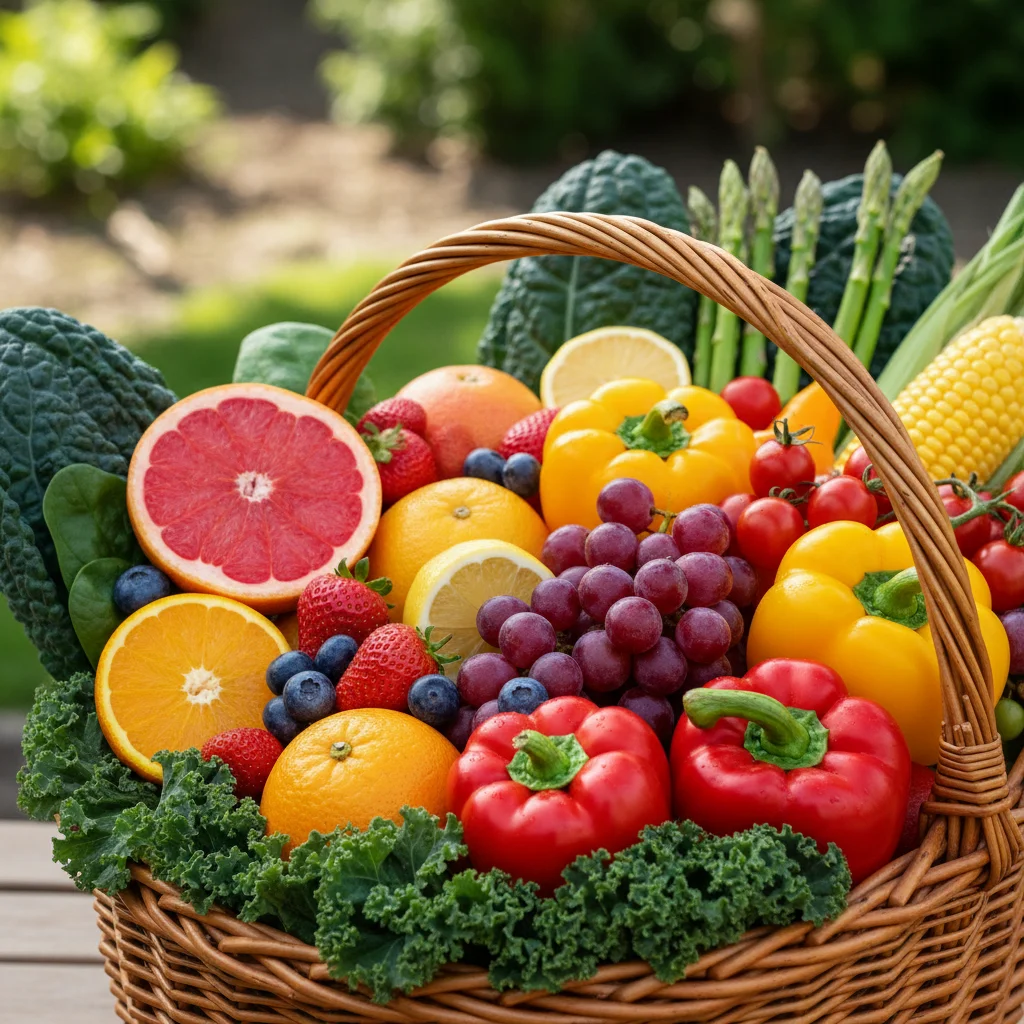
Antioxidants neutralize free radicals, unstable molecules that can cause cellular damage and promote inflammation. A colorful array of fruits and vegetables ensures a broad spectrum of antioxidants.
- Berries: Blueberries, strawberries, raspberries, and blackberries are packed with anthocyanins.
- Leafy Greens: Spinach, kale, collard greens, and Swiss chard are rich in vitamins K, A, and C, and various phytochemicals.
- Cruciferous Vegetables: Broccoli, cauliflower, Brussels sprouts, and cabbage contain compounds that support detoxification and reduce inflammation.
- Brightly Colored Vegetables: Bell peppers, carrots, sweet potatoes, and tomatoes (especially cooked, for lycopene) are excellent choices.
4. Choose Healthy Fats
Not all fats are created equal. While some fats promote inflammation, others are crucial for an anti-inflammatory diet.
- Monounsaturated Fats: Found in olive oil, avocados, and nuts. Extra virgin olive oil, in particular, contains oleocanthal, a compound with anti-inflammatory properties similar to ibuprofen.
- Polyunsaturated Fats: Beyond omega-3s, other healthy polyunsaturated fats can be found in seeds and certain nuts.
- Avoid Trans Fats and Excessive Saturated Fats: These are commonly found in processed foods, fried items, and some red meats. They are known to promote inflammation.
5. Incorporate Whole Grains
Unlike refined grains, which can spike blood sugar and promote inflammation, whole grains provide fiber, vitamins, and minerals that support gut health and reduce inflammation.
- Oats: Rolled oats, steel-cut oats.
- Brown Rice: A healthier alternative to white rice.
- Quinoa: A complete protein and rich in fiber.
- Barley and Farro: Excellent sources of soluble fiber.
6. Spice It Up!
Many herbs and spices possess powerful anti-inflammatory properties.
- Turmeric: Contains curcumin, a potent anti-inflammatory compound. Best absorbed with black pepper.
- Ginger: Known for its anti-inflammatory and antioxidant effects.
- Garlic: Contains sulfur compounds that can reduce inflammation.
- Cinnamon: May help stabilize blood sugar and has anti-inflammatory properties.
Foods to Limit or Avoid to Reduce Inflammation
Just as important as knowing what to eat is knowing what to avoid when trying to reduce inflammation diet.
- Refined Carbohydrates: White bread, pastries, sugary cereals, white rice. These quickly break down into sugar, leading to blood sugar spikes and increased inflammation.
- Sugary Drinks: Sodas, fruit juices (even 100% juice can be high in sugar), sports drinks. Added sugars are a major driver of inflammation.
- Processed Foods: Fast food, packaged snacks, frozen dinners high in unhealthy fats, sugar, and sodium.
- Unhealthy Fats: Trans fats (partially hydrogenated oils), excessive saturated fats (found in fatty cuts of red meat, processed meats, full-fat dairy).
- Processed Meats: Sausages, bacon, hot dogs, deli meats often contain additives and high levels of saturated fat that can promote inflammation.
- Excessive Alcohol: While moderate consumption of certain alcohols (like red wine) might have some benefits, excessive alcohol intake is pro-inflammatory.
Creating Your 3-Month Anti-Inflammatory Meal Plan
To achieve a 15% reduction in inflammation in three months requires a consistent and holistic approach. Here’s a framework for building your meal plan:
Month 1: Foundation and Elimination
Focus on gradually eliminating pro-inflammatory foods and introducing anti-inflammatory alternatives. Start by cutting out sugary drinks and processed snacks. Replace them with water, herbal tea, and fruit. Begin incorporating more vegetables into every meal.
- Breakfast: Oatmeal with berries, nuts, and chia seeds.
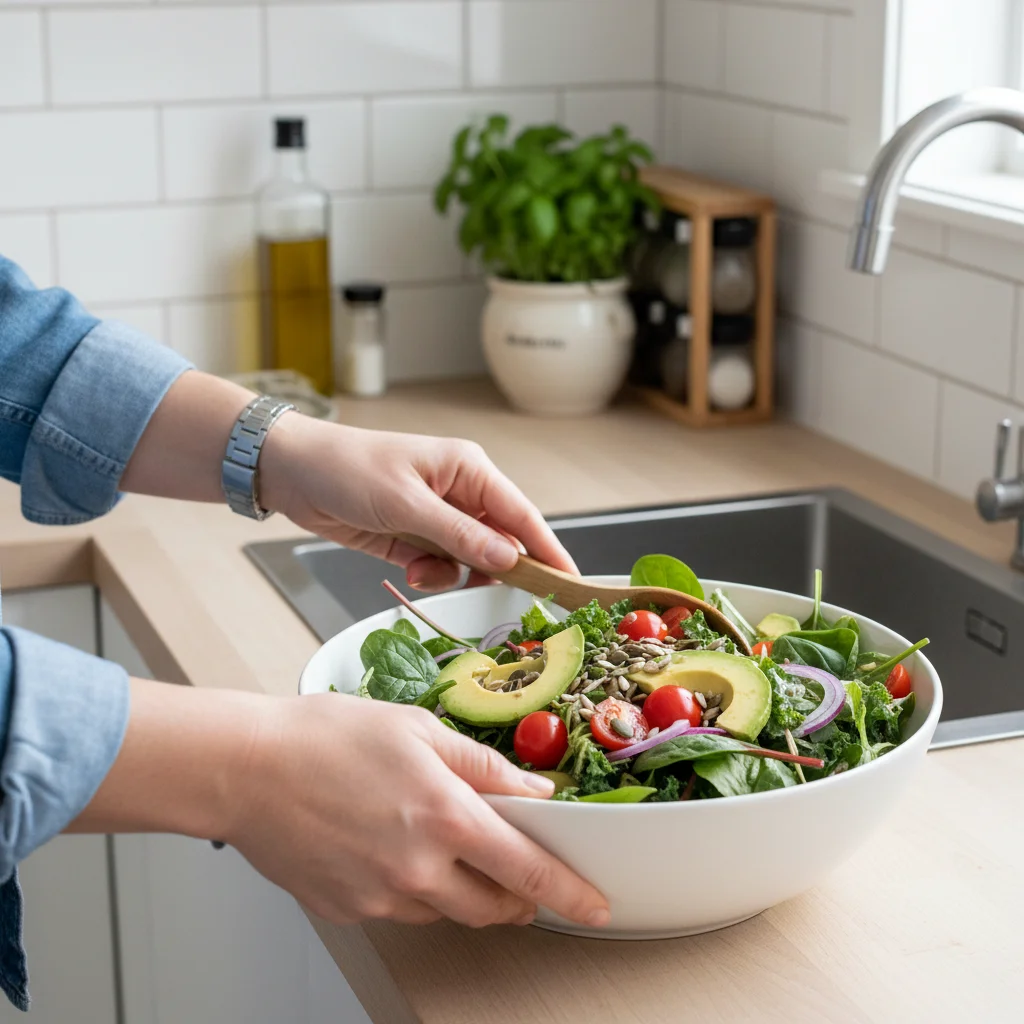
- Lunch: Large salad with leafy greens, colorful vegetables, lean protein (chicken or fish), and olive oil dressing.
- Dinner: Baked salmon with quinoa and steamed broccoli.
- Snacks: Apple slices with almond butter, a handful of walnuts, vegetable sticks with hummus.
Month 2: Diversification and Optimization
Expand your repertoire of anti-inflammatory foods. Experiment with different whole grains, legumes, and healthy fat sources. Pay attention to how your body feels. You might notice improved energy levels and reduced aches.
- Breakfast: Green smoothie with spinach, banana, flaxseeds, and a plant-based protein powder.
- Lunch: Lentil soup with a side of whole-grain bread.
- Dinner: Chicken stir-fry with a variety of vegetables and brown rice, seasoned with ginger and garlic.
- Snacks: Greek yogurt (plain) with a small amount of honey and berries, a small avocado.
Month 3: Fine-Tuning and Long-Term Integration
By now, your new eating habits should feel more natural. Focus on fine-tuning your intake, ensuring a wide variety of nutrient-dense foods. This month is about solidifying habits for sustained health benefits and continuing to reduce inflammation diet.
- Breakfast: Scrambled eggs with spinach and whole-wheat toast, a side of avocado.
- Lunch: Leftover dinner, or a chickpea and vegetable wrap in a whole-wheat tortilla.
- Dinner: Turkey meatballs with zucchini noodles and a tomato-based sauce, seasoned with turmeric and oregano.
- Snacks: Handful of almonds, a small piece of dark chocolate (70% cocoa or higher).
Beyond Diet: Lifestyle Factors for Reducing Inflammation
While diet is paramount, other lifestyle factors significantly impact inflammation. Integrating these into your routine will amplify your efforts to reduce inflammation diet.
1. Regular Physical Activity
Moderate exercise can significantly reduce inflammatory markers. Aim for at least 30 minutes of moderate-intensity activity most days of the week. This could include brisk walking, jogging, cycling, swimming, or strength training. Exercise helps maintain a healthy weight, improves circulation, and reduces stress, all of which contribute to lower inflammation. However, avoid overtraining, which can sometimes increase inflammation.
2. Stress Management
Chronic stress triggers the release of hormones like cortisol, which, while acutely anti-inflammatory, can become pro-inflammatory when sustained at high levels. Incorporate stress-reducing practices into your daily life:
- Meditation and Mindfulness: Even 10-15 minutes a day can make a difference.
- Yoga and Tai Chi: Combine physical movement with mindfulness.
- Deep Breathing Exercises: Simple yet effective for calming the nervous system.
- Hobbies and Social Connection: Engage in activities you enjoy and spend time with loved ones.
3. Adequate Sleep
Sleep deprivation is a significant contributor to chronic inflammation. During sleep, your body repairs itself and regulates hormones. Aim for 7-9 hours of quality sleep per night. Establish a consistent sleep schedule, create a relaxing bedtime routine, and ensure your bedroom is dark, quiet, and cool.
4. Maintain a Healthy Weight
Excess body fat, particularly visceral fat around the abdomen, is metabolically active and releases pro-inflammatory cytokines. Achieving and maintaining a healthy weight through diet and exercise is one of the most effective ways to reduce chronic inflammation.
5. Hydration
Staying well-hydrated is crucial for all bodily functions, including detoxification and maintaining healthy inflammatory responses. Drink plenty of water throughout the day. Herbal teas and infused water can also contribute to your daily fluid intake.
Measuring Your Progress: How to Know You’re Reducing Inflammation
While you might feel better as you adopt an anti-inflammatory lifestyle, objective markers can help confirm your progress in reducing inflammation. Consult your doctor about these options:
- C-Reactive Protein (CRP): A common blood test that measures a protein produced by the liver in response to inflammation. A decrease in CRP levels is a good indicator of reduced inflammation.
- Erythrocyte Sedimentation Rate (ESR): Another blood test that measures how quickly red blood cells settle at the bottom of a test tube. A faster rate often indicates inflammation.
- Other Markers: Your doctor might suggest testing for other inflammatory markers depending on your specific health concerns.
Tracking symptoms like joint pain, fatigue, digestive issues, or skin conditions can also provide valuable qualitative data on your progress. Keep a journal to note changes over the three-month period.
Practical Tips for Sustainable Change
Making significant dietary changes can be challenging, but these tips can help you stay on track and successfully reduce inflammation diet:
- Meal Prep: Dedicate a few hours each week to prepare meals and snacks in advance. This reduces the likelihood of reaching for unhealthy options when time is short.
- Read Labels Carefully: Become a savvy shopper. Look for hidden sugars, unhealthy fats, and artificial ingredients in packaged foods.
- Cook at Home More Often: This gives you complete control over your ingredients and cooking methods.
- Experiment with Recipes: Discover new anti-inflammatory recipes that you enjoy. There are countless delicious options available online and in cookbooks.
- Stay Hydrated: Drink water throughout the day. Sometimes thirst can be mistaken for hunger.
- Be Patient and Kind to Yourself: Dietary changes take time to show results. Don’t get discouraged by occasional slip-ups. Focus on overall consistency.
- Seek Professional Guidance: If you have underlying health conditions or feel overwhelmed, consult a registered dietitian or a healthcare professional for personalized advice.
Conclusion: Your Path to Reduced Inflammation and Enhanced Well-being
Embarking on a journey to reduce inflammation by 15% in three months is an ambitious yet entirely achievable goal with the right dietary strategies and lifestyle adjustments. By consistently prioritizing whole, unprocessed foods rich in omega-3s, antioxidants, and fiber, while consciously limiting pro-inflammatory culprits, you empower your body to heal and thrive.
Remember that this is more than just a diet; it’s a fundamental shift towards a healthier, more vibrant way of living. The benefits extend far beyond a reduction in inflammatory markers, encompassing improved energy, better mood, enhanced gut health, and a stronger defense against chronic diseases. Take these insider tips to heart, implement them diligently, and prepare to experience the profound positive impact of an anti-inflammatory diet on your overall well-being. Your body will thank you for it.