U.S. Diabetes Management: 3 Breakthroughs for 2026

Anúncios
Diabetes, a chronic condition affecting millions worldwide, continues to be a significant public health challenge. In the United States alone, over 37 million people live with diabetes, and another 96 million adults have prediabetes. The relentless pursuit of better treatments, more effective management strategies, and ultimately, a cure, drives extensive research and innovation. As we look towards 2026, the landscape of diabetes management breakthroughs in the U.S. is poised for transformative changes. This article delves into three pivotal areas where significant advancements are expected to reshape how diabetes is diagnosed, treated, and managed, offering renewed hope and improved quality of life for those affected.
The journey of diabetes care has seen remarkable progress over the past century, from the discovery of insulin to the development of advanced glucose monitoring systems and a growing arsenal of medications. However, the complexity of diabetes, its diverse manifestations (Type 1, Type 2, gestational, and other specific types), and its myriad complications necessitate continuous innovation. The upcoming breakthroughs are not merely incremental improvements but represent fundamental shifts in our approach, leveraging cutting-edge science and technology.
Anúncios
These anticipated advancements are driven by several factors: a deeper understanding of the molecular and genetic underpinnings of diabetes, the rapid evolution of biomedical engineering and artificial intelligence, and a growing emphasis on personalized medicine. The goal is clear: to move beyond symptom management towards disease modification, prevention, and ultimately, remission or cure. Let’s explore the three most promising diabetes management breakthroughs expected to shape the future of care by 2026.
Anúncios
1. Novel Therapeutic Agents: Beyond Traditional Insulin and Oral Medications
While insulin remains the cornerstone of Type 1 diabetes treatment and a vital tool for many with Type 2, and a variety of oral medications have expanded treatment options, the next wave of therapeutic agents promises to be far more sophisticated. These novel therapies aim to address the root causes of diabetes, enhance the body’s natural regulatory mechanisms, and minimize the side effects often associated with current treatments. The focus is on precision and efficacy, tailoring treatments to specific patient profiles and disease mechanisms.
Pancreatic Beta Cell Regeneration and Protection
One of the most exciting frontiers in diabetes management breakthroughs is the effort to regenerate or protect pancreatic beta cells, the insulin-producing cells that are destroyed in Type 1 diabetes and become dysfunctional in Type 2. Researchers are exploring several avenues:
- Stem Cell-Based Therapies: Significant progress is being made in developing stem cell-derived beta cells for transplantation. While challenges remain, such as preventing immune rejection and ensuring long-term function, clinical trials are showing promising results. By 2026, we could see more widespread, albeit still experimental, application of these therapies, potentially offering a functional cure for Type 1 diabetes. Encapsulation technologies are also advancing, aiming to protect transplanted cells from immune attack without requiring systemic immunosuppression.
- Small Molecule and Biologic Agents for Beta Cell Preservation: For Type 2 diabetes, where beta cell function declines over time, new drugs are being developed to protect existing beta cells from damage and even stimulate their regeneration. These agents work through various mechanisms, including reducing inflammation, oxidative stress, and endoplasmic reticulum stress, all of which contribute to beta cell dysfunction. Early-stage trials indicate potential for these drugs to slow disease progression and improve endogenous insulin production.
Advanced Immunotherapies for Type 1 Diabetes
Type 1 diabetes is an autoimmune disease where the body’s immune system mistakenly attacks and destroys beta cells. Immunotherapies aim to halt this autoimmune destruction, particularly if initiated early in the disease course. While some immunomodulatory drugs are already in use, the next generation is more targeted and less immunosuppressive, reducing the risk of broad immune suppression and associated side effects.
- Antigen-Specific Immunotherapies: These therapies aim to re-educate the immune system to tolerate beta cell antigens without compromising overall immune function. Clinical trials are exploring vaccines and other antigen-specific approaches designed to halt the autoimmune attack. By 2026, we might see some of these in late-stage development or even approved for specific patient populations, especially those newly diagnosed.
- Cytokine Modulators and Checkpoint Inhibitors: Research is also focusing on modulating specific cytokines (signaling molecules of the immune system) and utilizing checkpoint inhibitors, which have revolutionized cancer treatment, to fine-tune the immune response in Type 1 diabetes. These sophisticated approaches promise greater precision in preventing beta cell destruction.
Next-Generation GLP-1 Receptor Agonists and Beyond
GLP-1 receptor agonists have transformed Type 2 diabetes treatment, offering excellent glycemic control, weight loss, and cardiovascular benefits. The next few years will see the emergence of even more potent and convenient versions, including:
- Dual and Triple Agonists: These drugs target not only GLP-1 but also other incretin receptors like GIP (glucose-dependent insulinotropic polypeptide) and glucagon. This multi-pronged approach leads to enhanced glucose lowering, greater weight loss, and potentially other metabolic benefits. Tirzepatide, a dual GIP/GLP-1 agonist, is already demonstrating superior efficacy, and more such combinations are in the pipeline.
- Oral Formulations and Longer-Acting Injectables: Convenience is key for patient adherence. Oral GLP-1 receptor agonists are already available, and further improvements in bioavailability and formulation are expected. Additionally, ultra-long-acting injectable formulations that require less frequent administration (e.g., once a month or even less often) are under development, significantly reducing treatment burden.
These novel therapeutic agents represent a paradigm shift, moving towards more targeted, effective, and patient-friendly treatments that not only manage symptoms but also address the underlying pathology of diabetes.
2. Integrated Smart Technologies: The Era of Hyper-Personalized Digital Diabetes Care
Technology has already played a crucial role in diabetes management, from blood glucose meters to insulin pumps and continuous glucose monitors (CGMs). However, the next few years will witness an unprecedented integration of these technologies, powered by artificial intelligence (AI) and machine learning (ML), leading to hyper-personalized and largely automated diabetes care. This represents a significant leap in diabetes management breakthroughs.
Advanced Continuous Glucose Monitoring (CGM) Systems
CGM technology has transformed diabetes management by providing real-time glucose data, enabling proactive adjustments to insulin and lifestyle. The advancements expected by 2026 include:
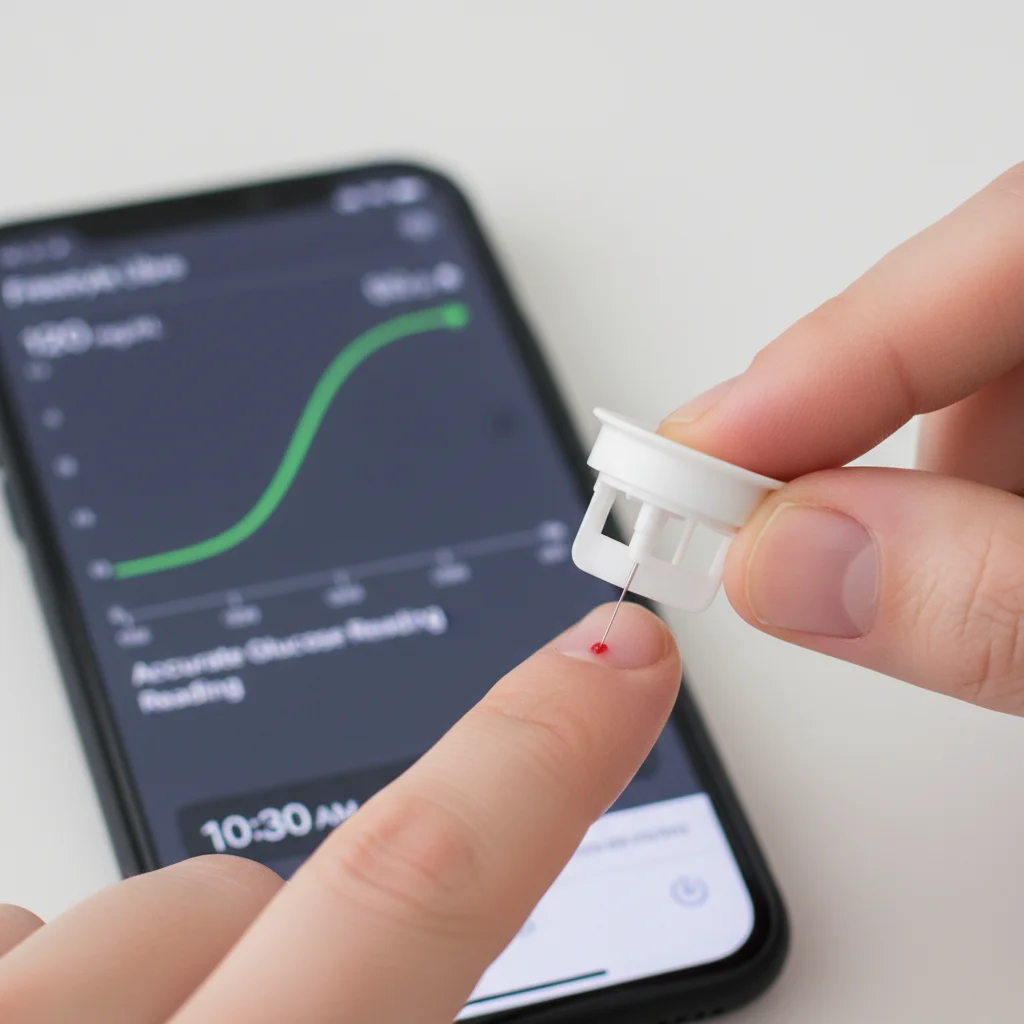
- Non-Invasive CGMs: The holy grail of glucose monitoring is a truly non-invasive device. While challenging, significant research is underway using technologies like spectroscopy, sweat analysis, and even tear fluid analysis. By 2026, we may see the first FDA-approved non-invasive or minimally invasive CGMs that eliminate the need for skin insertion, making monitoring more comfortable and accessible for everyone, including those with prediabetes or Type 2 diabetes who might not currently use CGMs.
- Extended Wear and Enhanced Accuracy: Current CGMs typically last for 10-14 days. Future devices will likely offer even longer wear times (e.g., 30 days or more) and further improvements in accuracy, particularly in challenging physiological states.
- Integration with Other Biometrics: Future CGMs will integrate with other biometric data, such as heart rate, activity levels, sleep patterns, and even stress indicators, to provide a more holistic view of metabolic health and predict glucose excursions more accurately.
Closed-Loop Insulin Delivery Systems (Artificial Pancreas)
The artificial pancreas, a system that automates insulin delivery based on CGM readings, has been a game-changer for Type 1 diabetes. By 2026, these systems will become even more sophisticated and widely available:
- True "Plug-and-Play" Systems: Current hybrid closed-loop systems still require some user input (e.g., announcing meals). Future systems will be more autonomous, requiring less user intervention, thanks to advanced AI algorithms that can predict glucose trends and adjust insulin delivery with greater precision, even around meals and exercise.
- Multi-Hormone Systems: Beyond insulin, researchers are exploring systems that also deliver glucagon or other hormones to prevent hypoglycemia more effectively and provide even tighter glycemic control. This multi-hormone approach mimics the natural pancreas more closely.
- Enhanced Interoperability: One major hurdle has been the lack of interoperability between different devices (CGMs, insulin pumps, smartphones). Future systems will feature seamless integration, allowing patients to choose components from different manufacturers that work together harmoniously, fostering greater flexibility and choice.
AI-Powered Decision Support and Predictive Analytics
AI and machine learning are revolutionizing how diabetes data is analyzed and used. By 2026, these technologies will be deeply embedded in diabetes care:
- Personalized Prediction Models: AI algorithms will analyze vast amounts of individual patient data (glucose, diet, activity, medication, genetics) to predict future glucose excursions, identify patterns, and offer highly personalized recommendations for insulin dosing, meal planning, and exercise.
- Virtual Coaching and Behavioral Support: AI-powered virtual coaches will provide real-time, personalized guidance and motivational support to help individuals adhere to their treatment plans, make healthier lifestyle choices, and manage stress, acting as a constant companion in diabetes management.
- Clinical Decision Support for Healthcare Providers: AI tools will assist clinicians in making more informed treatment decisions, identifying patients at high risk for complications, and optimizing medication regimens based on predictive analytics and patient-specific factors. This will streamline care and improve outcomes across large populations.
The integration of these smart technologies will empower individuals with diabetes to manage their condition with unprecedented precision and convenience, reducing the daily burden of self-management and improving overall health outcomes.
3. Personalized Medicine: Tailoring Treatment to the Individual Genetic and Phenotypic Profile
The concept of "one-size-fits-all" medicine is rapidly giving way to personalized approaches, and diabetes care is at the forefront of this revolution. By 2026, personalized medicine will be a cornerstone of diabetes management breakthroughs, moving beyond broad classifications to highly individualized treatment strategies based on genetic, molecular, and lifestyle factors.
Genomic and Molecular Profiling for Diabetes Subtypes
We are increasingly recognizing that Type 2 diabetes, for example, is not a single disease but a collection of distinct subtypes with different underlying pathologies and responses to treatment. Genomic and molecular profiling will become more routine:
- Subtype Identification: Advanced genetic sequencing and biomarker analysis will allow clinicians to identify specific diabetes subtypes (e.g., severe autoimmune diabetes, severe insulin-deficient diabetes, severe insulin-resistant diabetes, mild obesity-related diabetes, mild age-related diabetes). This precision diagnosis will guide the selection of the most effective therapies from the outset, rather than through trial and error.
- Pharmacogenomics: Understanding how an individual’s genetic makeup influences their response to different medications will become standard practice. This will allow for the prescription of drugs that are most likely to be effective and least likely to cause adverse effects for a particular patient, optimizing treatment efficacy and safety.
- Risk Prediction and Prevention: Genetic profiling will also play a greater role in identifying individuals at high risk for developing diabetes or specific complications, enabling earlier and more targeted preventive interventions.
Advanced Biomarker Discovery and Monitoring
Beyond traditional glucose and HbA1c measurements, new biomarkers are being discovered that offer deeper insights into metabolic health, inflammation, and organ damage. By 2026, these will be integrated into routine care:
- Circulating microRNAs and Metabolites: These novel biomarkers can indicate early signs of beta cell dysfunction, insulin resistance, or impending complications (e.g., kidney disease, cardiovascular disease) long before conventional markers change. Regular monitoring of these will allow for proactive interventions.
- Proteomics and Lipidomics: High-throughput analysis of proteins and lipids in blood samples will provide comprehensive "fingerprints" of an individual’s metabolic state, enabling highly personalized risk assessment and treatment adjustments.
Lifestyle Interventions Tailored to Individual Needs
While lifestyle modifications (diet and exercise) are crucial for diabetes management, what works for one person may not work for another. Personalized medicine extends to these interventions:
- Nutrigenomics and Microbiome-Based Diets: Understanding how an individual’s genes interact with nutrients (nutrigenomics) and the unique composition of their gut microbiome will allow for the creation of highly personalized dietary recommendations that are most effective for glycemic control and weight management.
- Precision Exercise Prescriptions: Wearable technologies combined with AI will analyze an individual’s physiological response to different types and intensities of exercise, leading to highly customized exercise plans that maximize benefits and minimize risks.
- Behavioral Psychology Integration: Personalized approaches will also incorporate insights from behavioral psychology to develop tailored strategies for motivation, habit formation, and stress management, recognizing that adherence to lifestyle changes is a complex behavioral challenge.

The shift towards personalized medicine ensures that each individual receives the most appropriate and effective care based on their unique biological and lifestyle profile, moving beyond a one-size-fits-all approach to true individualized health management. This is one of the most impactful diabetes management breakthroughs on the horizon.
The Broader Impact of These Breakthroughs
The cumulative effect of these diabetes management breakthroughs by 2026 will be profound. For individuals living with diabetes, it means:
- Improved Glycemic Control: Tighter and more stable blood sugar levels, reducing the risk of both hypoglycemia and hyperglycemia.
- Reduced Complications: Better control and earlier interventions will significantly lower the incidence and severity of long-term complications such as kidney disease, neuropathy, retinopathy, and cardiovascular disease.
- Enhanced Quality of Life: Less daily burden of self-management, greater freedom, and reduced anxiety associated with the condition.
- Potential for Remission or Cure: Especially for Type 1 diabetes with stem cell therapies and advanced immunotherapies, the prospect of functional cure becomes increasingly real. For Type 2, personalized approaches and novel drugs offer pathways to sustained remission.
For the healthcare system, these advancements promise:
- More Efficient Care Delivery: AI-powered tools and integrated technologies will streamline clinical workflows, allowing healthcare providers to focus on complex patient needs.
- Reduced Healthcare Costs: By preventing complications and improving long-term outcomes, the overall economic burden of diabetes on individuals and the healthcare system is expected to decrease.
- Greater Data-Driven Insights: The wealth of data generated by smart technologies will fuel further research, leading to an even deeper understanding of diabetes and accelerating the discovery of future breakthroughs.
Challenges and Considerations
While the outlook is incredibly promising, realizing the full potential of these diabetes management breakthroughs will require addressing several challenges:
- Accessibility and Equity: Ensuring that these advanced therapies and technologies are accessible and affordable to all individuals, regardless of socioeconomic status or geographical location, is paramount. Health equity must be a central consideration in deployment.
- Regulatory Pathways: The development of novel therapies and complex integrated technologies requires robust and adaptive regulatory frameworks to ensure safety and efficacy while fostering innovation.
- Data Privacy and Security: With the increasing collection and analysis of sensitive health data, ensuring patient privacy and data security is critical.
- Healthcare Provider Education: Clinicians will need ongoing education and training to effectively integrate these new tools and personalized approaches into their practice.
- Patient Engagement and Education: Empowering patients to understand and utilize these advanced tools effectively will be key to successful outcomes.
Conclusion
The year 2026 is shaping up to be a landmark period for diabetes management breakthroughs in the U.S. From groundbreaking therapeutic agents that target the disease’s root causes, to integrated smart technologies that offer hyper-personalized and automated care, and the burgeoning era of personalized medicine tailoring treatments to individual profiles, the future of diabetes care is brighter than ever. These advancements hold the promise of not just better management, but a significant reduction in the burden of diabetes, offering millions of individuals a path towards healthier, fuller lives. The collaborative efforts of researchers, clinicians, technologists, and policymakers will be essential in navigating the challenges and ensuring that these innovations translate into tangible benefits for everyone affected by diabetes.