Decoding Food Labels: 7 Critical Elements US Consumers Must Understand for Healthier Choices
Anúncios
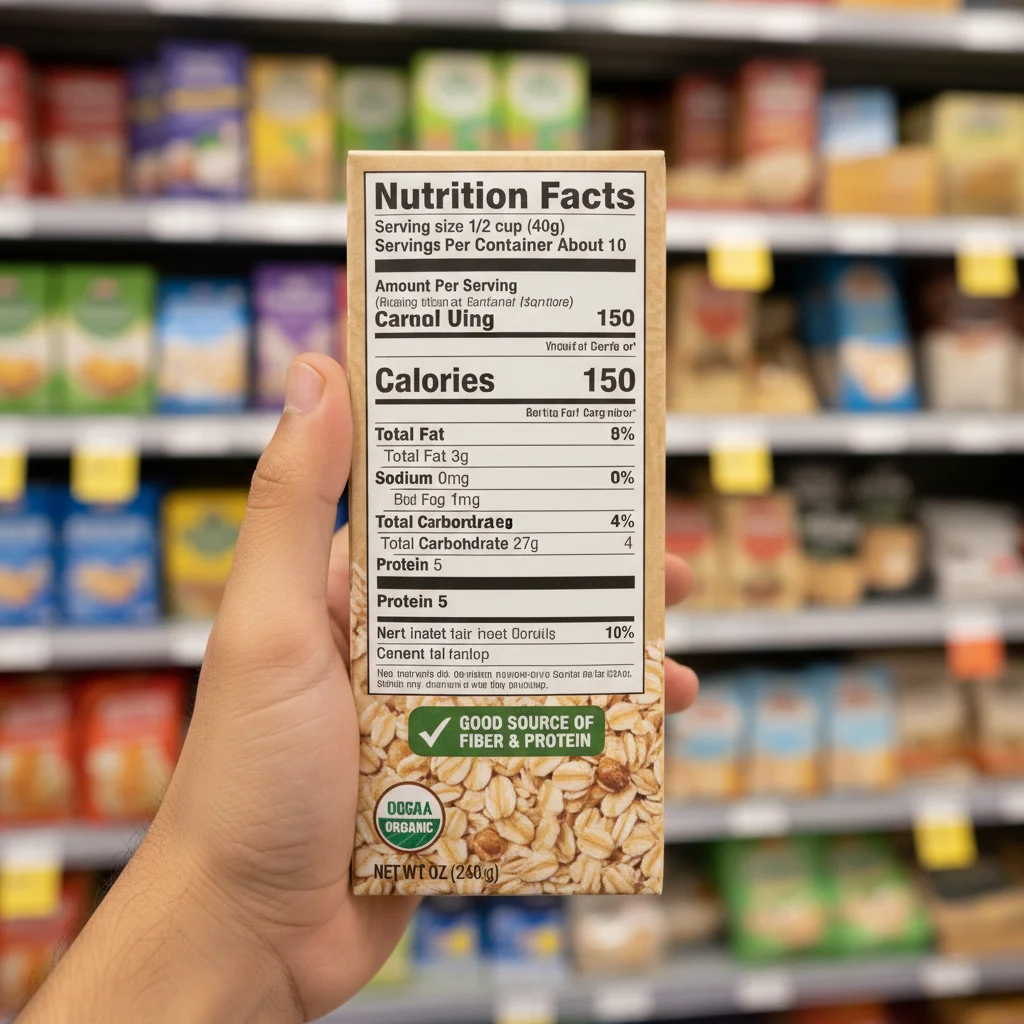
In today’s fast-paced world, where convenience often trumps nutritional value, understanding what we eat has become more crucial than ever. For US consumers, navigating the labyrinth of food labels can feel like deciphering a secret code. Yet, these labels are your most powerful tool in making informed dietary choices that directly impact your health and well-being. This comprehensive guide will empower you to understand food labels by breaking down 7 critical elements you must grasp to make healthier choices.
Anúncios
The journey to better health begins in the grocery aisle, not just the kitchen. Every packaged item holds a wealth of information, often overlooked, that can guide you towards a more nutritious diet. From calorie counts to ingredient lists, each section tells a story about what you’re about to consume. By learning to interpret these stories, you gain control over your dietary destiny.
Anúncios
Why It’s Crucial to Understand Food Labels
Before diving into the specifics, let’s establish why it’s so vital to understand food labels. In an era of widespread processed foods, hidden sugars, and confusing marketing claims, food labels serve as a beacon of truth. They provide objective data that helps you:
- Manage Health Conditions: For individuals with diabetes, heart disease, high blood pressure, or allergies, reading labels is non-negotiable. It helps them monitor intake of sugar, sodium, fat, and identify potential allergens.
- Achieve Dietary Goals: Whether you’re aiming for weight loss, muscle gain, or simply a balanced diet, labels help you track macronutrients (carbohydrates, proteins, fats) and micronutrients (vitamins, minerals).
- Avoid Harmful Ingredients: Many processed foods contain artificial additives, preservatives, and excessive amounts of unhealthy fats or sugars. Labels expose these ingredients, allowing you to avoid them.
- Make Informed Choices: Beyond health, labels help you compare products, understand portion sizes, and make cost-effective decisions based on nutritional value.
- Debunk Marketing Hype: Terms like “natural,” “light,” or “healthy” can be misleading. The actual nutrition facts and ingredient list offer the real story, helping you see past clever advertising.
The FDA (Food and Drug Administration) mandates that most packaged foods carry a Nutrition Facts panel and an ingredient list, providing a standardized framework for consumers. However, knowing where to look and what to prioritize is key.
1. The Serving Size: Your Starting Point to Understand Food Labels
The serving size is arguably the most overlooked yet fundamental piece of information on any food label. It’s the foundation upon which all other nutritional values are calculated. Without understanding the serving size, all subsequent numbers become meaningless.
What to Look For:
- Servings Per Container: This tells you how many servings are in the entire package. A bag of chips might contain 3 servings, meaning if you eat the whole bag, you’re consuming three times the calories, fat, sugar, and sodium listed per serving.
- Serving Size: This is usually expressed in common household measures (e.g., cups, pieces, grams, ounces) and indicates the typical amount of food people eat in one sitting.
Why It Matters:
Many people assume the entire package is a single serving, leading to accidental overconsumption of calories and nutrients. For example, a bottle of soda might list 2.5 servings. If you drink the whole bottle, you’re not just getting the sugar from one serving, but 2.5 times that amount. Always compare your actual consumption to the listed serving size to accurately assess your intake. This is the first critical step to truly understand food labels effectively.
2. Calories: The Energy Meter
Calories represent the energy content in food. While not the sole determinant of health, understanding calorie counts is essential for weight management and overall energy balance.
What to Look For:
- Calories per Serving: This number tells you how much energy you’ll get from one serving of the food.
- Calories from Fat: While not explicitly listed on newer labels, you can still estimate fat calories by multiplying the total fat grams by 9 (since each gram of fat contains 9 calories).
Why It Matters:
Consuming more calories than your body burns leads to weight gain, while consuming fewer can lead to weight loss. The key is balance. Be mindful that even seemingly healthy foods can be high in calories if consumed in large quantities. The “2,000 calorie a day” general guideline is a useful benchmark, but individual needs vary based on age, gender, activity level, and health goals. Always consider the serving size when looking at calorie counts to avoid miscalculations. This insight is fundamental to understand food labels for effective dietary planning.
3. Macronutrients: Fat, Carbohydrates, and Protein
Macronutrients are the nutrients your body needs in larger amounts to provide energy and support various bodily functions. The Nutrition Facts panel details the amounts of total fat, carbohydrates, and protein per serving.
Total Fat
Fat is essential for energy, hormone production, and nutrient absorption, but the type and amount matter.
- Saturated Fat: Often found in animal products and some plant oils, high intake can raise LDL (bad) cholesterol. Limit saturated fat.
- Trans Fat: Artificially created fats, often found in processed foods. These are particularly harmful, raising bad cholesterol and lowering good cholesterol. The FDA has largely banned trans fats, but small amounts can still exist. Aim for 0g.
- Unsaturated Fat (Monounsaturated and Polyunsaturated): These are healthier fats found in nuts, seeds, avocados, and olive oil. They can improve cholesterol levels and reduce heart disease risk. Some labels may list these, but if not, subtract saturated and trans fats from total fat to get an estimate.
Why It Matters: Excessive intake of unhealthy fats (saturated and trans) can increase the risk of heart disease. Opt for foods lower in saturated and trans fats and higher in unsaturated fats.
Total Carbohydrates
Carbohydrates are the body’s primary source of energy. The label breaks down total carbohydrates into dietary fiber and total sugars.
- Dietary Fiber: Crucial for digestive health, blood sugar control, and satiety. Look for foods high in fiber.
- Total Sugars: Includes naturally occurring sugars (like in fruit and milk) and added sugars.
- Added Sugars: These are sugars added during processing, packaging, or at the table. High intake of added sugars contributes to weight gain, type 2 diabetes, and heart disease. The FDA now requires “Added Sugars” to be listed separately. This is a critical element when you understand food labels.
Why It Matters: Prioritize complex carbohydrates (whole grains, fruits, vegetables) rich in fiber and limit foods high in added sugars. The daily value for added sugars is 50 grams based on a 2,000 calorie diet.
Protein
Protein is vital for building and repairing tissues, making enzymes and hormones, and supporting immune function.
- Grams of Protein: The label indicates the amount of protein per serving.
Why It Matters: Ensure you’re getting adequate protein, especially if you’re active or trying to build muscle. Animal products, legumes, nuts, and seeds are good sources.
4. Micronutrients: Vitamins and Minerals
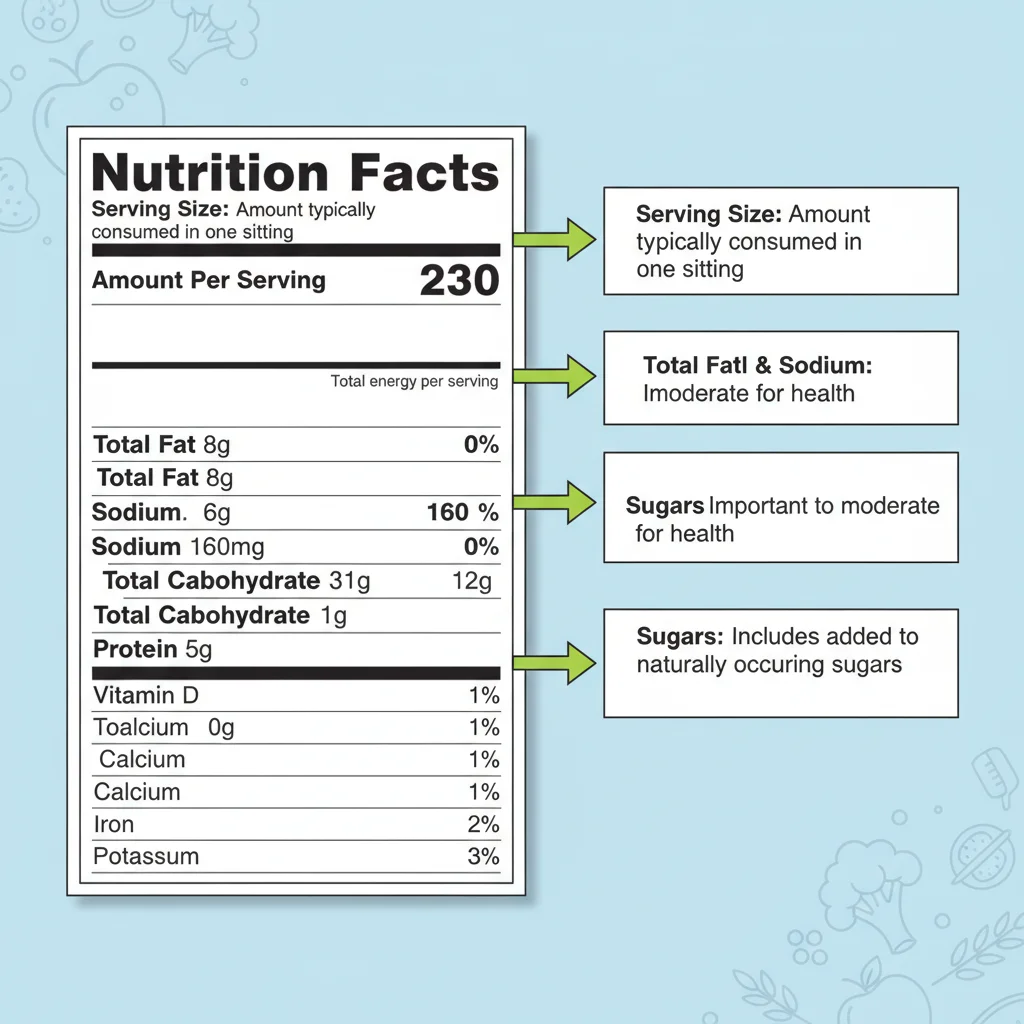
The Nutrition Facts panel also lists key vitamins and minerals, helping you identify nutrient-dense foods.
What to Look For:
- Daily Value (DV): This percentage indicates how much a nutrient in a serving contributes to a total daily diet. A 5% DV or less is considered low, while 20% DV or more is considered high.
- Key Nutrients: Labels typically list Vitamin D, Calcium, Iron, and Potassium, as these are nutrients many Americans don’t get enough of.
Why It Matters: Aim for foods that are high in beneficial nutrients (like fiber, Vitamin D, calcium, iron, potassium) and low in nutrients you want to limit (like saturated fat, sodium, and added sugars). Paying attention to these percentages helps you round out your diet and ensure you’re meeting your daily requirements. This focus on micronutrients is crucial when you seek to understand food labels comprehensively.
5. Sodium: The Hidden Salt
Sodium is an essential mineral, but most Americans consume far too much, primarily from processed and restaurant foods. High sodium intake is linked to high blood pressure, a major risk factor for heart disease and stroke.
What to Look For:
- Milligrams (mg) of Sodium: The label clearly states the amount of sodium per serving.
Why It Matters: The recommended daily limit for sodium for most adults is 2,300 mg. Many single servings of processed foods can contain a significant portion of this limit. Be vigilant, especially with canned soups, frozen meals, deli meats, and condiments. Choose low-sodium or no-salt-added versions whenever possible. Understanding sodium content is a vital part of learning to understand food labels for heart health.
6. The Ingredient List: Beyond the Numbers
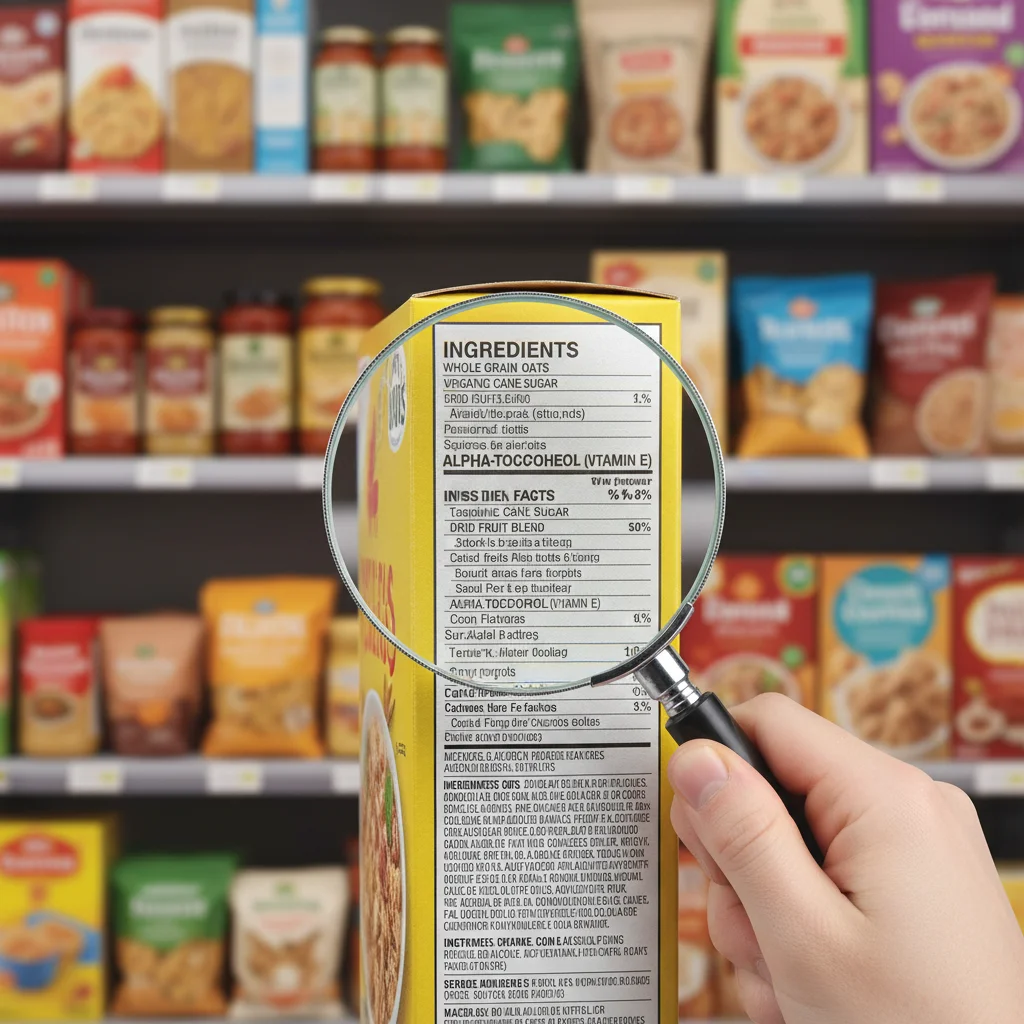
While the Nutrition Facts panel gives you the quantitative data, the ingredient list provides the qualitative story. Ingredients are listed in descending order by weight, meaning the first few ingredients make up the largest proportion of the food.
What to Look For:
- First Few Ingredients: These are the most abundant. Look for whole, recognizable foods like whole grains, fruits, vegetables, and lean proteins. Be wary if sugar (or its many aliases like high-fructose corn syrup, dextrose, maltose), unhealthy oils (partially hydrogenated oils), or artificial additives are among the first few ingredients.
- Allergens: The FDA requires major food allergens (milk, eggs, fish, shellfish, tree nuts, peanuts, wheat, and soybeans) to be clearly declared.
- Length of the List: Generally, shorter ingredient lists with recognizable items indicate less processed food.
- “Hidden” Sugars: Sugar can hide under many names. Beyond the obvious ‘sugar,’ look for corn syrup, high-fructose corn syrup, dextrose, sucrose, maltose, molasses, fruit juice concentrate, and more.
Why It Matters: The ingredient list is where you uncover the true nature of a product. It helps you identify highly processed foods, potential allergens, and hidden unhealthy components. Don’t just glance at it; scrutinize it. This meticulous examination is where you truly begin to understand food labels in depth.
7. Daily Value (DV) Percentages: Quick Reference Guide
The Daily Value (DV) percentages on the Nutrition Facts panel provide a quick way to assess if a food is high or low in a particular nutrient, based on a 2,000-calorie daily diet.
What to Look For:
- 5% DV or Less: This is considered a low amount of a nutrient. Aim for low DVs for saturated fat, sodium, and added sugars.
- 20% DV or More: This is considered a high amount of a nutrient. Aim for high DVs for fiber, Vitamin D, calcium, iron, and potassium.
Why It Matters: The DV percentages simplify the process of making quick comparisons between products. If you’re trying to cut back on sodium, for example, you can quickly scan for products with a low %DV for sodium. Conversely, if you’re looking to boost your fiber intake, choose items with a high %DV for fiber. Remember, these percentages are based on a 2,000-calorie diet, so your individual needs may vary. However, they provide a consistent benchmark to help you understand food labels at a glance.
Putting It All Together: A Holistic Approach to Understand Food Labels
Learning to understand food labels isn’t about memorizing numbers; it’s about developing a critical eye and making conscious choices. Here’s how to apply these elements holistically:
- Start with Serving Size: Always adjust the nutritional information to reflect the amount you actually consume.
- Scan Calories and Macronutrients: Quickly assess if the calorie count aligns with your goals and check the balance of fats, carbohydrates, and proteins.
- Prioritize Limiting “Bad” Nutrients: Look for low %DVs for saturated fat, trans fat (ideally 0g), sodium, and especially added sugars.
- Seek Out “Good” Nutrients: Aim for high %DVs for fiber, Vitamin D, calcium, iron, and potassium.
- Read the Ingredient List Carefully: This is where you identify whole foods versus highly processed ones, and uncover hidden sugars or additives. The shorter and more recognizable the list, usually the better.
- Compare Products: Use labels to compare similar products and choose the healthier option. Don’t be swayed by front-of-package claims without verifying on the label.
- Don’t Fear Fats and Carbs: Instead, differentiate between healthy fats (unsaturated) and unhealthy fats (saturated, trans), and complex carbohydrates (fiber-rich) versus simple carbohydrates (added sugars).
Challenges and Nuances in Decoding Food Labels
While food labels are invaluable, there are nuances that consumers should be aware of:
- “Natural” vs. “Organic”: These terms are often confused. “Natural” has no strict FDA definition beyond not containing artificial ingredients or added color. “Organic” is a regulated term indicating specific farming and processing standards.
- Marketing Claims: Be skeptical of claims like “low fat” or “sugar-free” as they might compensate with other unhealthy ingredients (e.g., low-fat might mean high sugar, sugar-free might mean artificial sweeteners). Always check the full label.
- Genetically Modified Organisms (GMOs): While not directly on the Nutrition Facts panel, some products may carry labels indicating “Non-GMO Project Verified” or have a QR code linking to SmartLabel information about GMOs. The USDA’s Bioengineered Food Disclosure Standard requires disclosure for bioengineered foods.
- Individual Dietary Needs: The 2,000-calorie daily value is a general guide. Your specific needs may vary. Consulting a nutritionist can help tailor your understanding of labels to your unique health profile.
The ability to understand food labels empowers you to make proactive decisions about your health. It transforms a mundane grocery chore into an act of self-care and nutritional intelligence.
Conclusion: Empowering Your Health Through Food Label Literacy
Mastering the art of reading and interpreting food labels is one of the most significant steps you can take toward a healthier lifestyle. It’s a skill that pays dividends in disease prevention, weight management, and overall vitality. By focusing on serving sizes, calorie counts, the quality of macronutrients, critical micronutrients, sodium levels, and the all-important ingredient list, you transform from a passive consumer into an active participant in your dietary choices.
Don’t let confusing jargon or overwhelming numbers deter you. Start small, focusing on one or two elements at a time, and gradually build your expertise. Every time you consciously choose a healthier option based on label information, you’re investing in your long-term health. The power to eat well and live better is literally in your hands, printed on every food package. Take the time to understand food labels, and unlock a world of healthier eating.