Decoding Food Labels 2026: Your Essential Guide to Healthier Supermarket Choices
Anúncios
Decoding Food Labels 2026: Your Essential Guide to Healthier Supermarket Choices
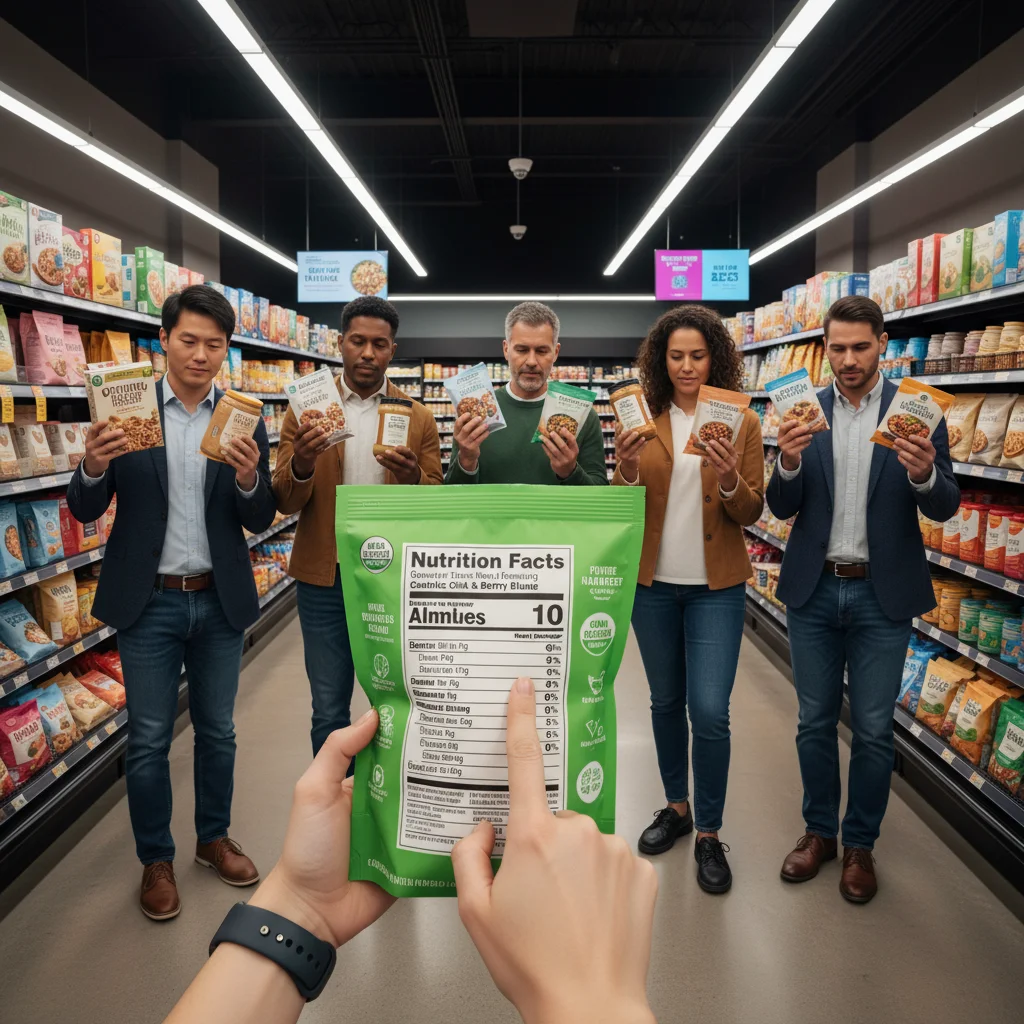
In an era where health consciousness is at an all-time high, navigating the labyrinthine aisles of U.S. supermarkets can feel like a daunting task. Every package screams a promise: "low fat," "all natural," "sugar-free." But what do these claims truly mean for your health? The key to unlocking a healthier diet lies in mastering the art of decoding food labels. As we step into 2026, food labeling regulations and consumer awareness continue to evolve, making it more crucial than ever to understand what you’re really putting into your shopping cart.
Anúncios
This comprehensive guide is designed to empower you, the modern consumer, with the insider knowledge needed to confidently interpret food labels, identify genuinely healthy options, and sidestep common marketing traps. We’ll delve into the nuances of nutrition facts, dissect ingredient lists, and shed light on the ever-changing landscape of food labeling. By the end of this article, you’ll be well-equipped to make informed decisions that align with your health goals, transforming your supermarket trips from confusing expeditions into strategic missions for wellness.
Anúncios
The Evolution of Food Labeling: What’s New in 2026?
The journey of food labeling in the U.S. has been one of continuous refinement, driven by scientific advancements, public health concerns, and consumer advocacy. The Nutrition Labeling and Education Act (NLEA) of 1990 was a landmark, standardizing the "Nutrition Facts" panel we’ve become accustomed to. However, as dietary science progresses and chronic diseases linked to diet remain prevalent, labels have had to adapt.
By 2026, several key changes and trends are solidifying their presence on food labels. One significant update, phased in over recent years, includes revised serving sizes to reflect what people typically eat, not what they "should" eat. This seemingly small change has a profound impact on how we perceive calorie and nutrient intake. Additionally, "Added Sugars" has become a mandatory line item, a critical distinction from naturally occurring sugars, empowering consumers to identify products high in added sweeteners – a major contributor to rising rates of obesity and type 2 diabetes. Vitamin D and Potassium are also now required, replacing Vitamins A and C, reflecting their public health significance.
Beyond federal mandates, consumer demand for transparency has pushed manufacturers to adopt clearer language and provide more detailed information. Expect to see more front-of-package labeling initiatives, some voluntary, aiming to simplify complex nutritional information into easily digestible symbols or ratings. While these can be helpful, understanding the underlying "Nutrition Facts" panel remains paramount to avoid oversimplification or potential biases.
Another emerging trend is the increased emphasis on allergen declarations. While major allergens have long been required, the specificity and prominence of these warnings are improving, crucial for individuals with severe food allergies. Furthermore, sustainability information, such as carbon footprint labels or ethical sourcing certifications, is gaining traction, reflecting a broader consumer interest in the environmental and social impact of their food choices. While not yet universally standardized, these labels are becoming more common, offering an additional layer of information for the conscientious shopper.
Mastering the "Nutrition Facts" Panel: Your Data Dashboard
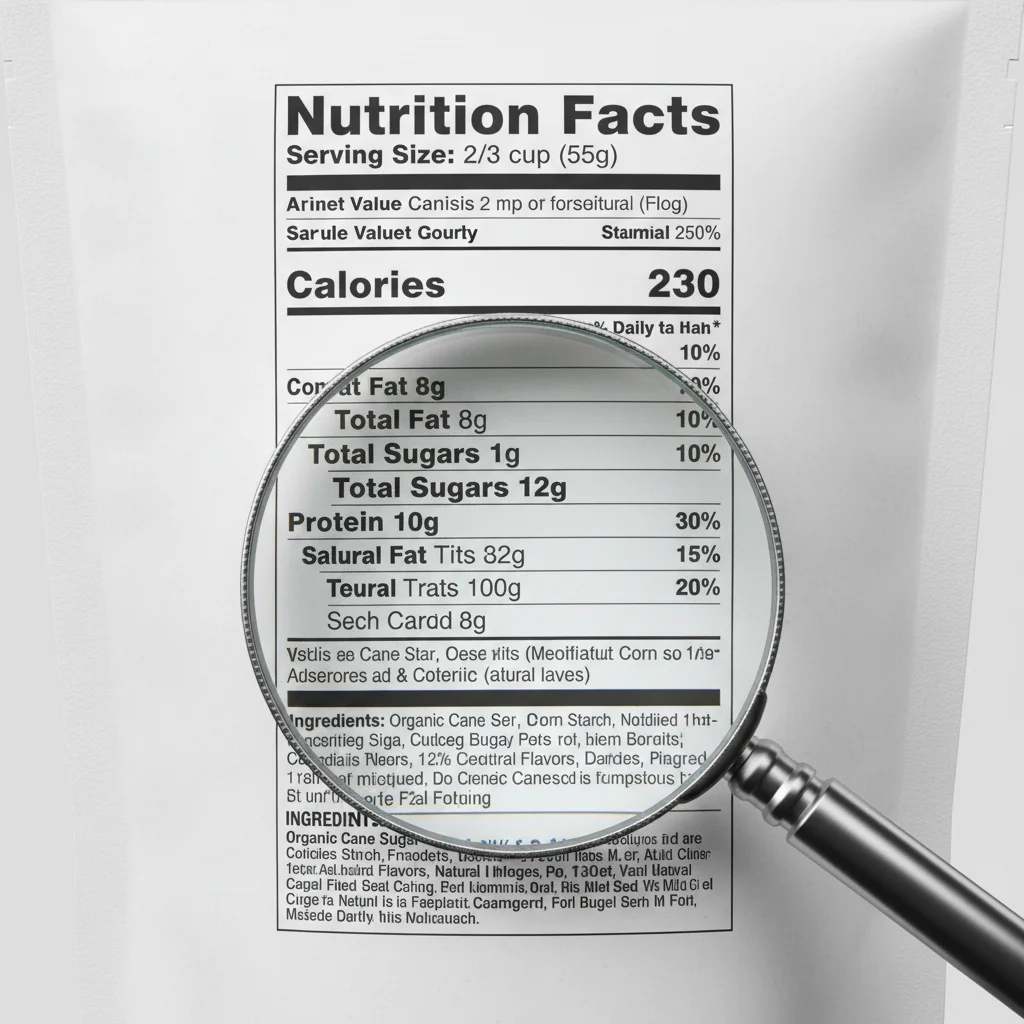
The "Nutrition Facts" panel is the cornerstone of decoding food labels. Think of it as your product’s data dashboard, providing a snapshot of its nutritional profile. Here’s how to interpret its key components effectively:
Serving Size and Servings Per Container
These are perhaps the most critical pieces of information, yet often overlooked. All the nutritional values listed below are based on a single serving. If you eat two servings, you’re consuming double the calories, fat, sugar, and so on. In 2026, serving sizes are generally more realistic, reflecting actual consumption patterns. Always start here to contextualize the rest of the information.
Calories
Calories indicate the amount of energy you get from one serving. While not the sole determinant of health, managing calorie intake is essential for weight management. Be mindful of "empty calories" from added sugars and unhealthy fats, which provide energy but little nutritional value.
Total Fat, Saturated Fat, and Trans Fat
Fats are essential, but the type matters. Focus on reducing saturated and trans fats, which can raise LDL ("bad") cholesterol. Trans fats are largely phased out but still worth checking. Look for products with lower saturated fat content. The "Total Fat" number can be high in healthy foods like avocados or nuts, so always differentiate between good fats (monounsaturated and polyunsaturated) and bad fats.
Cholesterol and Sodium
High intake of cholesterol (dietary) and sodium can contribute to heart disease and high blood pressure, respectively. While dietary cholesterol’s impact on blood cholesterol is less clear than once thought for most people, sodium remains a significant concern. Aim for products with lower sodium levels, especially in processed foods, which are often hidden sources of excessive salt.
Total Carbohydrates, Dietary Fiber, and Total Sugars (including Added Sugars)
This section requires careful attention. "Total Carbohydrates" includes sugars, starches, and fiber. "Dietary Fiber" is beneficial for digestive health and satiety; aim for higher fiber content. The crucial distinction in 2026 is between "Total Sugars" (which includes naturally occurring sugars like those in fruit and milk) and "Added Sugars." Minimizing "Added Sugars" is a top priority for health. These are sugars put into the food during processing, not naturally present.
Protein
Protein is vital for muscle repair, growth, and satiety. Aim for adequate protein intake throughout the day. Higher protein content can be a positive indicator, especially in snacks and meals designed for sustained energy.
Vitamins and Minerals (Vitamin D, Calcium, Iron, Potassium)
These are essential micronutrients. The 2026 label emphasizes Vitamin D and Potassium due to their common deficiencies in the U.S. population. Calcium and Iron remain important. Look for products that contribute a good percentage of the Daily Value (%DV) for these nutrients.
The Ingredient List: Unmasking What’s Really Inside
While the "Nutrition Facts" panel tells you how much of each nutrient is present, the ingredient list reveals what exactly is in your food. This is where true detective work begins when decoding food labels.
Order Matters: Ingredients by Weight
Ingredients are listed in descending order by weight. This is a crucial piece of information. If sugar, high-fructose corn syrup, or an unhealthy oil is among the first few ingredients, it means that ingredient makes up a significant portion of the product. Prioritize products where whole, recognizable foods (e.g., "whole wheat flour," "chicken breast," "vegetables") appear at the top of the list.
Identifying Hidden Sugars
Beyond the "Added Sugars" line on the Nutrition Facts panel, the ingredient list can reveal multiple forms of sugar that manufacturers use to sweeten products. Look out for terms like: corn syrup, dextrose, fructose, glucose, maltose, sucrose, cane sugar, brown rice syrup, agave nectar, maple syrup, honey, fruit juice concentrate. If several of these appear, even if individually low on the list, their combined effect can mean a high sugar content.
Navigating Fats and Oils
Be wary of "partially hydrogenated oils," which indicate trans fats, even if the Nutrition Facts panel shows 0g (due to rounding rules). "Hydrogenated oils" also indicate unhealthy processed fats. Look for healthier oils like olive oil, canola oil, and sunflower oil, though even these should be consumed in moderation. "Vegetable oil" can be a generic term and often refers to less healthy options like soybean or corn oil.
Additives, Preservatives, and Artificial Ingredients
While some additives are harmless, others can be problematic for certain individuals. Aspartame, sucralose, artificial colors (e.g., Red 40, Yellow 5), BHA, BHT, and sodium nitrate are examples of ingredients that many health-conscious consumers prefer to avoid. A general rule of thumb: if you can’t pronounce it, or if the list of unpronounceable ingredients is extensive, it might be best to reconsider. Simpler, shorter ingredient lists with recognizable items are often indicators of less processed foods.
Allergen Information
Federal law requires that food labels clearly state if a product contains any of the eight major food allergens: milk, eggs, peanuts, tree nuts, soy, wheat, fish, and shellfish. This information is typically found near or immediately following the ingredient list, often in a "Contains:" statement. Always double-check this section if you have allergies or sensitivities.
Beyond the Panel: Decoding Marketing Claims and Certifications
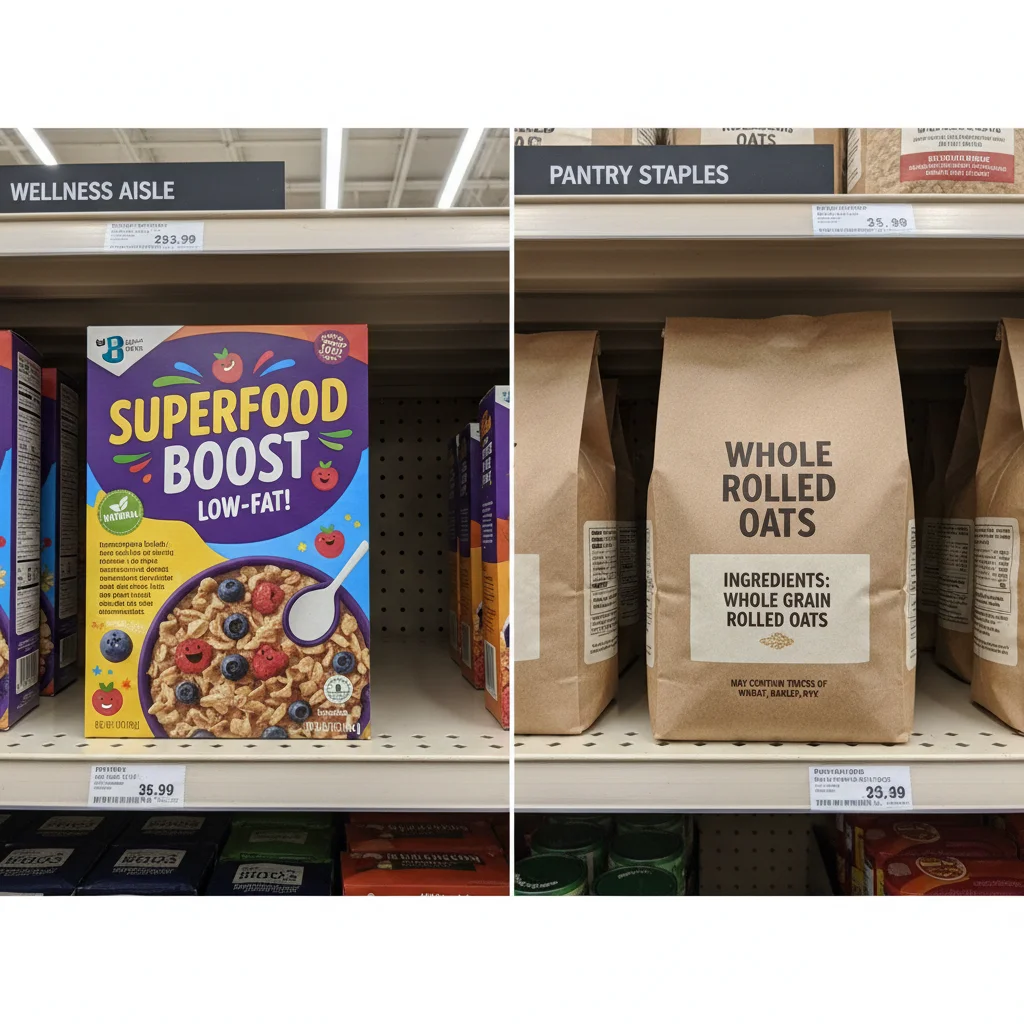
The front of a food package is prime real estate for marketing, often adorned with claims designed to catch your eye and influence your purchase. While some claims are regulated, others can be vague or misleading. Understanding these claims is crucial for effective decoding food labels.
Common Marketing Claims and What They (Really) Mean
- "Natural" or "All Natural": This claim is largely unregulated by the FDA, meaning it can be used on products that contain processed ingredients, high-fructose corn syrup, or even GMOs. It essentially means the product doesn’t contain artificial colors, flavors, or preservatives, but it doesn’t guarantee health benefits or purity.
- "Organic": This is a highly regulated term. USDA Organic certification means the product has been produced using specific farming and processing methods that promote ecological balance and conserve biodiversity. "100% Organic" means all ingredients are organic. "Organic" (without "100%") means at least 95% of ingredients are organic. "Made with Organic Ingredients" means at least 70% are organic. While generally a good indicator, organic doesn’t automatically mean low in calories, fat, or sugar.
- "Gluten-Free": This means the product contains less than 20 parts per million of gluten, safe for individuals with celiac disease or gluten sensitivity. However, many gluten-free products can still be high in sugar, unhealthy fats, and refined starches.
- "Low-Fat" or "Fat-Free": These claims indicate a product has a reduced amount of fat. However, fat is often replaced with sugar, sodium, or artificial ingredients to maintain flavor and texture. Always check the "Added Sugars" and ingredient list.
- "Sugar-Free" or "No Added Sugars": "Sugar-Free" means the product contains less than 0.5 grams of sugar per serving, often achieved with artificial sweeteners. "No Added Sugars" means no sugars were added during processing, but the product might still contain naturally occurring sugars (e.g., in fruit juice). Always check the ingredient list for artificial sweeteners.
- "Light" or "Lite": This claim means the product has 50% less fat or 1/3 fewer calories than the regular version. Again, check for replacement ingredients.
- "Excellent Source of Fiber"/"Good Source of Protein": These claims are regulated. "Excellent Source" means 20% or more of the Daily Value (DV) per serving. "Good Source" means 10-19% of the DV per serving. These can be helpful indicators for specific nutrient goals.
- "Non-GMO Project Verified": This third-party certification indicates that a product has been produced according to best practices for GMO avoidance. It addresses consumer concerns about genetically modified organisms.
Understanding Certifications and Seals
Beyond the standard marketing claims, various certifications and seals offer additional layers of information. These often come from third-party organizations and can provide valuable insights into a product’s quality, environmental impact, or ethical sourcing. Examples include:
- Fair Trade Certified: Ensures fair wages and working conditions for farmers and workers.
- Certified Humane: Guarantees animals were raised humanely without cages, crates, or crowded conditions.
- MSC Certified Sustainable Seafood: Indicates seafood comes from fisheries that meet sustainable fishing standards.
- Whole Grain Stamp (Whole Grains Council): Helps identify products with significant amounts of whole grains.
While these seals can be beneficial, it’s important to understand what each specific certification represents and to ensure it aligns with your personal values and health priorities. Don’t let a single seal distract you from the core nutrition and ingredient information.
Practical Strategies for Healthier Supermarket Shopping in 2026
Now that you’re armed with the knowledge of decoding food labels, let’s put it into practice with some actionable tips for your next supermarket trip:
1. Plan Ahead: The Power of the Shopping List
Before you even step foot in the store, create a detailed shopping list. This helps you stick to your plan, avoid impulse purchases, and focus on specific items you’ve already researched or know are healthy. Categorize your list by store section to save time.
2. Shop the Perimeter First
Most supermarkets are designed with fresh produce, lean meats, dairy, and other whole foods around the perimeter. The inner aisles often house processed, packaged goods. Prioritize filling your cart with fresh fruits, vegetables, whole grains, and lean proteins before venturing into the center.
3. Don’t Just Read, Compare!
When choosing between similar products, don’t just read one label—compare them! Which one has less added sugar? Higher fiber? A shorter, more recognizable ingredient list? This comparative approach is key to making the best choice.
4. Focus on Key Nutrients to Limit and Seek
Limit: Added Sugars, Saturated Fat, Sodium, Trans Fat (ideally 0g).
Seek: Dietary Fiber, Protein, Vitamin D, Potassium, Calcium, Iron.
Keep these priorities in mind as you scan the Nutrition Facts panel.
5. Be Skeptical of Front-of-Package Claims
Remember that marketing claims are designed to sell. Use them as a starting point, but always verify the information by turning the package over and scrutinizing the Nutrition Facts and ingredient list. A "natural" cookie can still be packed with sugar and unhealthy fats.
6. Understand Serving Sizes and Adjust Accordingly
Don’t be fooled by small serving sizes on larger packages. If a bag of chips says "3 servings" and you know you’ll eat the whole bag, mentally (or physically) multiply the calories and nutrients by three.
7. Prioritize Whole, Unprocessed Foods
The best way to avoid confusing labels is to choose foods that don’t need them! Fresh fruits, vegetables, unprocessed meats, fish, and whole grains generally come without extensive ingredient lists or nutrition panels, simplifying your choices.
8. Stay Hydrated with Water
Many processed beverages are loaded with added sugars. Choose water as your primary beverage. If you opt for other drinks, apply the same label-reading principles to avoid hidden sugars and artificial ingredients.
9. Educate Yourself Continuously
Food science and labeling regulations are dynamic. Stay informed about new guidelines, emerging research, and changes in product formulations. Reputable health organizations and government websites are excellent resources.
10. Don’t Strive for Perfection, Aim for Progress
Making healthier choices is a journey, not a destination. Don’t get discouraged if you occasionally choose a less-than-ideal option. The goal is to make informed decisions consistently, gradually shifting your diet towards more nutritious foods.
The Future of Food Labels: What’s on the Horizon Post-2026?
The conversation around food labeling is far from over. As technology advances and consumer demands evolve, we can anticipate further innovations and regulations beyond 2026. Here are a few potential developments:
- Nutrient Density Scores: Imagine a single, easy-to-understand score on the front of a package that reflects the overall nutritional value, not just individual components. This could help consumers quickly identify nutrient-dense options.
- Personalized Nutrition Integration: With the rise of AI and personalized health tracking, future labels might integrate with apps that tailor recommendations based on your individual dietary needs, health conditions, and even genetic profile.
- Environmental Impact Labels: As concerns about climate change and sustainable food systems grow, more standardized and prominent labels indicating carbon footprint, water usage, or ethical sourcing are likely to become commonplace.
- QR Codes for Extended Information: While already present on some products, QR codes could become standard, linking to comprehensive online databases with detailed sourcing information, allergen specifics, preparation tips, and even virtual reality experiences of food production.
- Enhanced "Clean Label" Movement: The demand for products with minimal, recognizable ingredients will likely continue to grow, pushing manufacturers towards simpler formulations and clearer declarations.
- Biometric Data Integration: In a more distant future, perhaps even beyond 2030, imagine labels that could interact with wearable tech, providing real-time feedback on how a particular food might impact your glucose levels or energy.
These potential advancements highlight a future where food labels are not just regulatory documents but dynamic tools empowering consumers with unprecedented levels of information and personalization. The continuous evolution underscores the importance of staying informed and adaptable in your approach to healthy eating.
Conclusion: Empowering Your Choices with Decoding Food Labels
In conclusion, the ability to effectively master decoding food labels is an invaluable skill for anyone committed to a healthier lifestyle in 2026 and beyond. It transforms you from a passive consumer into an active participant in your own nutritional well-being. By understanding the "Nutrition Facts" panel, dissecting the ingredient list, and critically evaluating marketing claims, you gain the power to make informed choices that truly nourish your body.
Remember, healthy eating isn’t about perfection; it’s about making conscious, consistent choices. Use this guide as your compass in the supermarket, and you’ll find yourself navigating the aisles with newfound confidence and clarity. Your health is your most valuable asset, and every informed food choice you make is an investment in a vibrant, energetic future. Happy and healthy shopping!