U.S. Energy Policy Shifts: Meeting Climate Accord Commitments by 2026

Anúncios
U.S. Energy Policy Shifts: Meeting Climate Accord Commitments by 2026
Anúncios
The global climate crisis demands urgent action, and nations worldwide are stepping up their efforts to mitigate its devastating impacts. Central to these efforts are international agreements, notably the Paris Agreement, which sets ambitious goals for reducing greenhouse gas emissions and limiting global warming. The United States, a critical player in global climate action, has committed to significant reductions, aiming to halve its emissions from 2005 levels by 2030. This ambitious target necessitates profound shifts in U.S. energy policy, with a clear focus on achieving substantial progress by 2026. Understanding these US Climate Commitments is crucial for anyone interested in the future of energy, environmental sustainability, and economic development.
Anúncios
The journey towards these goals involves a complex interplay of policy levers, technological innovations, and economic incentives. From federal legislation to state-level initiatives and private sector investments, a multi-faceted approach is underway to decarbonize the American economy. This article will delve into the specific ways U.S. energy policy is evolving to meet these critical deadlines, exploring the key sectors impacted, the technologies being prioritized, and the challenges and opportunities that lie ahead. The focus on US Climate Commitments by 2026 is not merely an environmental imperative but also an economic opportunity, fostering job creation, technological leadership, and greater energy independence.
The Foundation: Understanding US Climate Commitments and International Agreements
At the heart of the U.S. climate strategy are its commitments under international climate accords. The Paris Agreement, adopted in 2015, established a global framework for climate action, requiring signatory nations to set Nationally Determined Contributions (NDCs) – pledges outlining their efforts to reduce national emissions and adapt to the impacts of climate change. The U.S. initially committed to reducing its greenhouse gas emissions by 26-28% below 2005 levels by 2025. Upon rejoining the agreement, the Biden administration significantly strengthened this ambition, targeting a 50-52% reduction from 2005 levels by 2030. This heightened ambition places a considerable emphasis on rapid policy implementation and accelerated decarbonization efforts in the immediate years leading up to 2026, making the US Climate Commitments a central pillar of national policy.
These commitments are not just abstract targets; they translate into concrete policy changes across various sectors. The urgency stems from scientific consensus on the need to limit global warming to well below 2°C, preferably to 1.5°C, compared to pre-industrial levels, to avoid the most catastrophic impacts of climate change. Achieving these goals requires a systemic transformation of how energy is produced, consumed, and managed. This includes not only transitioning away from fossil fuels but also enhancing energy efficiency, developing carbon capture technologies, and promoting sustainable land use practices. The deadlines, particularly the interim targets leading to 2030, mean that significant progress must be visible and measurable by 2026, shaping the current trajectory of U.S. energy policy.
Key Pillars of U.S. Energy Policy Shift Towards Renewables
The transition to renewable energy sources is arguably the most critical component of the U.S. strategy to meet its US Climate Commitments. The focus is on scaling up solar, wind, hydropower, geothermal, and other clean energy technologies. Several legislative and executive actions have been implemented to accelerate this shift:
The Inflation Reduction Act (IRA) and its Impact
The Inflation Reduction Act (IRA) of 2022 represents the largest climate investment in U.S. history. It provides significant tax credits, rebates, and incentives for renewable energy deployment, energy efficiency improvements, and electric vehicle adoption. For instance, it extends and expands tax credits for solar and wind power projects, provides incentives for domestic manufacturing of clean energy components, and offers consumer tax credits for energy-efficient home upgrades and electric vehicles. These provisions are designed to make clean energy more affordable and accessible, driving down costs and accelerating deployment. The IRA is projected to significantly contribute to the U.S. meeting its emissions reduction targets, with many analyses suggesting it could reduce emissions by approximately 40% below 2005 levels by 2030. This legislative cornerstone is vital for achieving the US Climate Commitments by 2026 and beyond.
Federal and State-Level Initiatives
Beyond the IRA, federal agencies like the Department of Energy (DOE) and the Environmental Protection Agency (EPA) are implementing programs to promote clean energy and reduce emissions. The DOE’s loan programs and research initiatives support innovative clean energy technologies, while the EPA sets emissions standards for power plants and vehicles. At the state level, many states have adopted Renewable Portfolio Standards (RPS), mandating that a certain percentage of their electricity come from renewable sources. Others have implemented cap-and-trade programs or carbon pricing mechanisms. These diverse policies create a patchwork of incentives and regulations that collectively push the nation towards a cleaner energy future, directly supporting the overarching US Climate Commitments.
Decarbonizing Key Sectors: Beyond Electricity Generation
While electricity generation is a major focus, achieving the US Climate Commitments requires decarbonization across all economic sectors. This holistic approach addresses emissions from transportation, industry, and buildings.
Transportation Sector Transformation
The transportation sector is the largest source of greenhouse gas emissions in the U.S. The shift here is primarily towards electric vehicles (EVs), hydrogen fuel cell vehicles, and sustainable aviation fuels. Government incentives, such as tax credits for EV purchases and investments in charging infrastructure, are crucial. Regulations on vehicle emissions standards also play a significant role. By 2026, we can expect to see a substantial increase in EV adoption rates and a more robust charging network, laying the groundwork for further decarbonization of this critical sector. Public transportation electrification and development of high-speed rail could also contribute significantly.
Industrial Emissions Reduction
Industrial processes, including manufacturing, cement production, and chemical processing, are intensive energy consumers and significant emitters. Strategies to decarbonize industry include improving energy efficiency, switching to cleaner fuels (like green hydrogen), and deploying carbon capture, utilization, and storage (CCUS) technologies. The IRA includes incentives for industrial decarbonization projects, encouraging heavy industries to invest in cleaner processes. Research and development in these areas are accelerating, with pilot projects demonstrating the feasibility of reducing emissions from even the most challenging industrial sources. This is an area where innovation is paramount to fulfilling the US Climate Commitments.

Building Efficiency and Electrification
Buildings contribute significantly to emissions through heating, cooling, and electricity consumption. Policies promoting energy-efficient building codes, retrofits of existing structures, and the electrification of heating and cooling systems (e.g., heat pumps) are essential. Incentives within the IRA also encourage homeowners and businesses to invest in energy-efficient appliances and renewable energy installations on their properties, directly contributing to the broader US Climate Commitments. Smart building technologies and demand-side management are also gaining traction, optimizing energy use and reducing peak demand.
Technological Innovation and Investment in Clean Energy
Meeting the ambitious US Climate Commitments by 2026 and beyond relies heavily on continuous technological innovation and substantial investment in clean energy research and development. The U.S. government, alongside private sector entities, is channeling resources into several key areas.
Advanced Renewable Technologies
While solar and wind power are well-established, ongoing research aims to improve their efficiency, reduce costs, and enhance grid integration. This includes developing more advanced solar cell materials, larger and more efficient wind turbines, and innovative energy storage solutions like long-duration batteries and pumped-hydro storage. Geothermal energy, which provides a constant baseload power source, is also seeing renewed interest and investment for its potential to contribute significantly to the clean energy mix.
Carbon Capture, Utilization, and Storage (CCUS)
For hard-to-abate sectors like heavy industry and certain power generation facilities, CCUS technologies are seen as a critical tool. These technologies capture CO2 emissions before they enter the atmosphere and either store them underground or utilize them in other industrial processes. Significant federal funding is being directed towards CCUS projects, aiming to scale up deployment and reduce costs. The goal is to make CCUS a viable option for industries that cannot fully electrify or switch to renewable fuels, thereby helping achieve the US Climate Commitments.
Hydrogen as a Clean Energy Carrier
Green hydrogen, produced using renewable electricity through electrolysis, is emerging as a promising clean energy carrier for sectors like heavy-duty transportation, industrial processes, and long-term energy storage. The U.S. government is investing in hydrogen hubs and research to drive down production costs and build out the necessary infrastructure. By 2026, we anticipate clearer pathways for hydrogen deployment and its integration into the broader energy system, diversifying options for meeting the US Climate Commitments.
Grid Modernization and Resiliency
A modern, resilient, and smart electricity grid is essential to integrate a high percentage of variable renewable energy sources. Investments are being made in grid infrastructure upgrades, advanced sensing and control technologies, and energy storage solutions to ensure grid stability and reliability. This includes developing microgrids, enhancing transmission lines, and implementing demand-response programs to balance supply and demand more effectively. A robust grid is foundational to a successful energy transition and meeting the US Climate Commitments.
Challenges and Opportunities on the Path to 2026
While the U.S. has made significant strides, several challenges must be addressed to ensure the successful fulfillment of its US Climate Commitments by 2026 and beyond. These challenges also present opportunities for innovation and economic growth.
Policy Consistency and Political Will
One of the persistent challenges is maintaining consistent policy support across different administrations and political cycles. Climate policies often become subject to political debate, which can create uncertainty for investors and hinder long-term planning. Sustained political will and bipartisan consensus are crucial to ensure that ambitious climate goals remain on track. The stability provided by landmark legislation like the IRA offers a degree of certainty, but ongoing commitment is vital.
Infrastructure Development and Permitting
The rapid expansion of renewable energy infrastructure, including new transmission lines, solar farms, and wind projects, requires streamlined permitting processes. Delays in permitting can significantly slow down deployment. Efforts are underway to modernize permitting regulations and accelerate project approvals while ensuring environmental protections and community engagement. Investing in new infrastructure also creates numerous job opportunities across various sectors.
Supply Chain Resilience and Domestic Manufacturing
The global clean energy supply chain has faced disruptions, highlighting the need for greater resilience and domestic manufacturing capabilities. The U.S. is actively promoting domestic production of solar panels, wind turbine components, and EV batteries through incentives and investments. This not only strengthens the economy but also reduces reliance on foreign supply chains, making the transition more secure and sustainable. Building a robust domestic clean energy manufacturing base is key to achieving the US Climate Commitments.
Workforce Development and Just Transition
The transition to a clean energy economy will inevitably impact traditional fossil fuel industries and their workforces. It is crucial to implement programs for workforce retraining and development to ensure a just transition for affected communities. Investing in education and training for clean energy jobs, from installers to engineers, is essential to meet the growing demand for skilled labor. This ensures that the benefits of the clean energy transition are broadly shared and that no community is left behind, reinforcing the social aspect of US Climate Commitments.
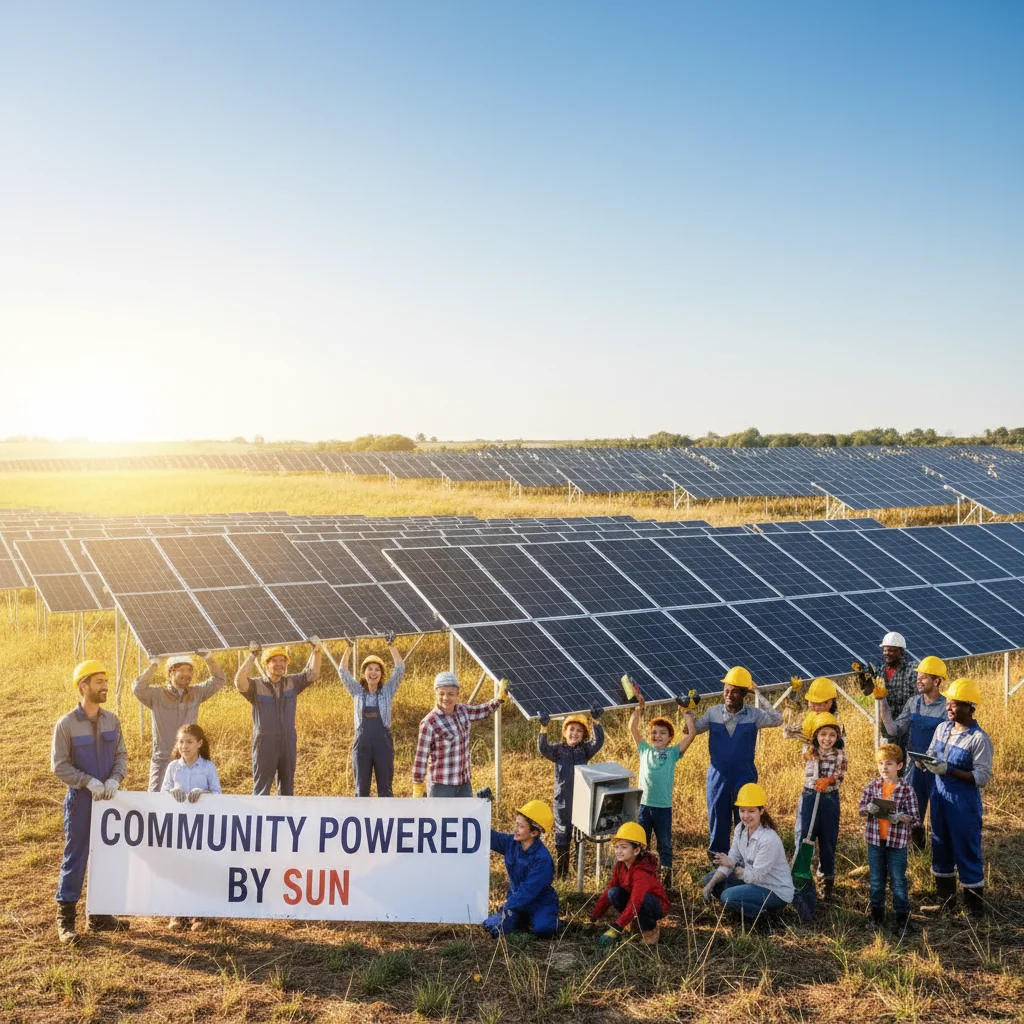
Public Engagement and Equity
Successful climate action requires broad public support and equitable distribution of benefits. Engaging communities, particularly those historically marginalized or disproportionately affected by pollution, is paramount. Ensuring that clean energy projects benefit local economies and address environmental justice concerns will build trust and accelerate the transition. This includes providing access to affordable clean energy and addressing legacy pollution issues.
Looking Ahead: The Path Beyond 2026
The year 2026 serves as a critical checkpoint for the U.S. in its journey to meet its US Climate Commitments. The progress made by this date will be indicative of the nation’s ability to achieve its 2030 targets and ultimately reach net-zero emissions by 2050. The policies and investments implemented today are laying the groundwork for a long-term transformation of the American energy landscape.
Beyond 2026, we can expect continued emphasis on innovation in nascent clean energy technologies, further integration of renewables into the grid, and a deepening of decarbonization efforts across all sectors. International collaboration will also remain crucial, as climate change is a global challenge requiring coordinated action. The U.S. role in leading by example, sharing technological advancements, and supporting developing nations in their own transitions will be vital.
The shift in U.S. energy policy is not just about reducing emissions; it’s about building a more sustainable, resilient, and prosperous future. It involves creating new industries, fostering economic growth, and improving public health. While the challenges are significant, the commitment and momentum behind these changes offer a hopeful outlook for a cleaner, greener America.