U.S. Investments in Global Health Security 2026: Pandemic Prevention Focus
Anúncios
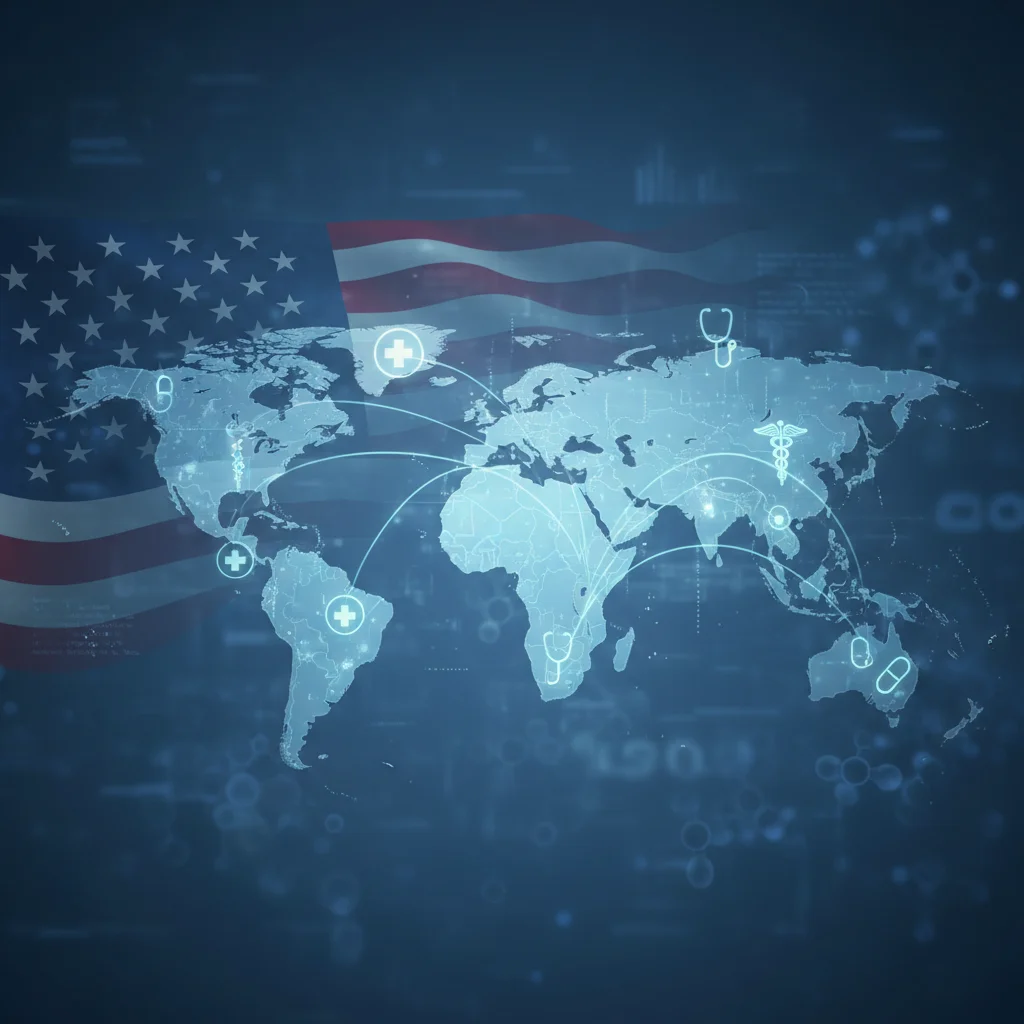
The specter of global pandemics continues to loom large, a stark reminder of the interconnectedness of our world and the profound impact health crises can have on economies, societies, and individual lives. In response to this persistent threat, the United States is redoubling its efforts and commitments towards strengthening global health security. Looking ahead to 2026, the U.S. strategy for preventing future pandemics is characterized by significant investments and a sharpened focus on three critical areas of international cooperation and development.
The lessons learned from recent global health emergencies have underscored the undeniable truth that a pathogen anywhere can quickly become a threat everywhere. This understanding forms the bedrock of the U.S. approach, shifting from reactive measures to proactive prevention and robust preparedness. The goal is not merely to respond to outbreaks but to prevent them from escalating into full-blown pandemics through strategic, sustained, and collaborative international efforts.
Anúncios
This comprehensive strategy is built on the recognition that national borders offer no defense against microscopic threats. Therefore, strengthening health systems in vulnerable regions, fostering international collaboration, and investing in cutting-edge research are not acts of charity but essential components of national security and economic stability for the United States and the world. The U.S. commitment to global health security in 2026 reflects a mature and forward-thinking approach to an enduring challenge.
Anúncios
The Imperative for Proactive Global Health Security
The rationale behind the U.S.’s intensified focus on global health security is multi-faceted and compelling. Beyond the obvious humanitarian concerns, pandemics pose significant economic risks, disrupt supply chains, destabilize political landscapes, and can even undermine national security. The economic toll of the most recent pandemic alone was in the trillions of dollars, highlighting the immense value of prevention over cure.
Furthermore, the emergence of novel pathogens, the rise of antimicrobial resistance, and the increasing frequency of zoonotic spillover events all contribute to a heightened risk environment. Climate change, urbanization, and increased global travel further exacerbate these challenges, creating a complex web of factors that demand a unified and strategic international response. The U.S. recognizes that its own health and prosperity are inextricably linked to the health and stability of the global community.
Therefore, proactive engagement in global health security is not merely an option but a necessity. It involves building resilient health systems capable of detecting, preventing, and responding to health threats before they spiral out of control. It also entails fostering trust and collaboration among nations, sharing data and expertise, and ensuring equitable access to medical countermeasures. The U.S. aims to be a leading force in galvanizing these efforts, leveraging its scientific prowess, diplomatic influence, and financial resources to achieve a safer, healthier world.
Pillar One: Strengthening Disease Surveillance and Early Warning Systems
The first and arguably most critical pillar of the U.S.’s global health security strategy for 2026 is the significant investment in strengthening disease surveillance and early warning systems worldwide. The ability to rapidly detect and identify novel pathogens or unusual disease patterns at their source is paramount to preventing localized outbreaks from becoming global catastrophes. This involves a multi-pronged approach that combines technological advancements with on-the-ground capacity building.
A key focus will be on enhancing laboratory capabilities in low- and middle-income countries. This includes providing state-of-the-art diagnostic equipment, training local scientists and technicians, and establishing robust quality assurance programs. The goal is to ensure that samples can be accurately tested and results quickly communicated, enabling timely public health interventions. The U.S. will also support the development and implementation of integrated surveillance platforms that can gather, analyze, and share data from various sources, including human health, animal health, and environmental monitoring, in real-time. This ‘One Health’ approach recognizes the interconnectedness of human, animal, and environmental health.
Furthermore, the U.S. will invest in advanced genomic sequencing capabilities globally. Rapid genomic sequencing allows scientists to identify the specific strain of a pathogen, track its evolution, and understand its transmissibility and virulence. This information is invaluable for developing targeted vaccines, treatments, and public health measures. Supporting bioinformatics training and infrastructure will also be crucial to effectively analyze the vast amounts of genomic data generated.
Another vital aspect of this pillar is the reinforcement of epidemiological intelligence networks. This involves training epidemiologists, public health officials, and community health workers to identify, investigate, and report unusual health events. The U.S. will support programs that enhance communication channels and data-sharing agreements between national and international public health agencies, ensuring that early warnings are disseminated efficiently and actionable intelligence reaches decision-makers promptly. This interconnected network of surveillance and intelligence is foundational to effective global health security.
The U.S. will also champion the use of innovative technologies, such as artificial intelligence and machine learning, to process and interpret surveillance data. These tools can identify emerging trends, predict potential hotspots, and even flag anomalies that might indicate the presence of a new threat. By leveraging these advanced analytical capabilities, the U.S. aims to create a more responsive and foresightful global surveillance architecture, significantly bolstering global health security.

Pillar Two: Enhancing Rapid Response and Emergency Preparedness
The second critical pillar of the U.S.’s global health security strategy for 2026 centers on enhancing rapid response mechanisms and emergency preparedness. Even the most sophisticated surveillance systems are ineffective without the capacity to act decisively and quickly once a threat is identified. This pillar focuses on building agile, well-resourced, and coordinated response capabilities at local, national, and international levels.
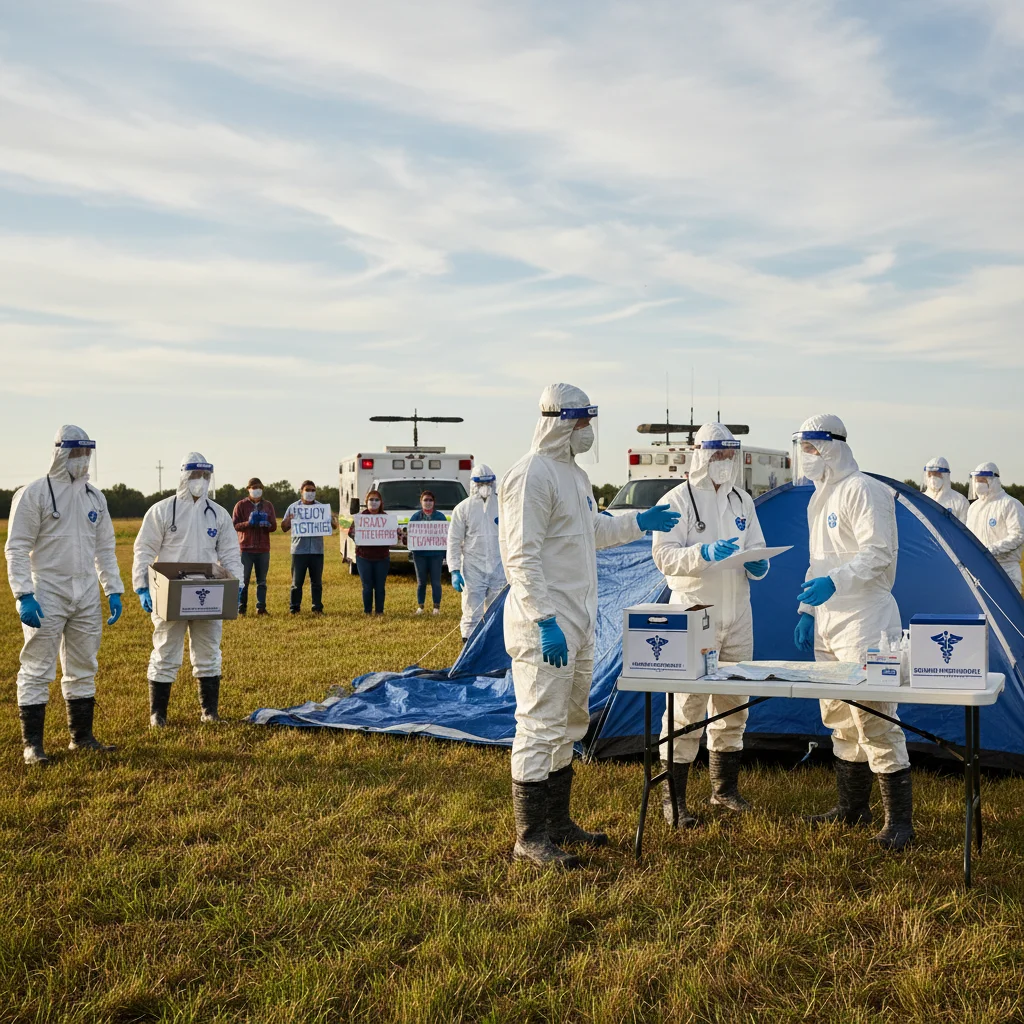
A significant portion of U.S. investment will go towards training and equipping rapid response teams (RRTs) in vulnerable countries. These teams, comprising medical professionals, epidemiologists, logisticians, and communication specialists, are designed to deploy quickly to outbreak sites, conduct investigations, implement control measures, and provide immediate medical care. The training will emphasize standardized protocols, personal protective equipment (PPE) usage, and effective communication strategies to ensure a coordinated and safe response.
Furthermore, the U.S. will support the development and regular testing of national and regional emergency preparedness plans. These plans outline clear roles and responsibilities, resource allocation strategies, and communication protocols for various public health emergencies. Regular simulation exercises and drills will be conducted to identify gaps, refine procedures, and ensure that all stakeholders are prepared to act effectively under pressure. This commitment to continuous improvement is vital for robust global health security.
Another key area of investment is in strengthening supply chain resilience for essential medical countermeasures. This includes supporting the local production of vaccines, therapeutics, and diagnostic tests in various regions, reducing reliance on single-source suppliers and mitigating the risk of supply chain disruptions during a crisis. The U.S. will also contribute to establishing strategic reserves of critical medical supplies that can be rapidly deployed to affected areas, ensuring equitable access when it is most needed.
The U.S. will also prioritize strengthening health communication strategies during emergencies. Effective communication is crucial for building public trust, disseminating accurate information, and combating misinformation, which can severely hamper response efforts. This involves training public health officials in crisis communication, developing accessible public awareness campaigns, and leveraging social media platforms to reach diverse populations. Clear and consistent messaging is a cornerstone of effective emergency response and contributes significantly to global health security.
Finally, the U.S. will advocate for and contribute to the establishment of flexible financing mechanisms for emergency response. These funds would allow for immediate deployment of resources at the onset of an outbreak, circumventing bureaucratic delays that can often impede rapid action. Such mechanisms are essential for a truly agile and effective global response to emerging health threats, underpinning the entire framework of global health security.
Pillar Three: Fostering International Collaboration and Governance
The third pillar of the U.S.’s global health security strategy for 2026 recognizes that no single nation can tackle global health threats alone. It emphasizes fostering robust international collaboration, strengthening global health governance, and promoting equitable partnerships. This pillar is about building a collective defense against pandemics, one that transcends national interests and prioritizes shared well-being.
A primary focus will be on strengthening the World Health Organization (WHO) as the leading international body for global health. The U.S. will advocate for reforms that enhance the WHO’s authority, funding, and operational capacity, enabling it to better coordinate international responses, set global health standards, and provide technical assistance to member states. A strong and effective WHO is indispensable for effective global health security.
The U.S. will also actively participate in and promote multilateral initiatives aimed at pandemic prevention and preparedness, such as the Global Health Security Agenda (GHSA). These platforms facilitate knowledge sharing, joint training exercises, and collaborative research efforts among participating countries. By working together, nations can pool resources, share best practices, and collectively address complex health challenges that individual countries might struggle with on their own.
Investment in global health diplomacy will also be a key component. This involves engaging with countries at all levels of government and civil society to build trust, foster understanding, and facilitate cooperation on health issues. The U.S. will leverage its diplomatic networks to forge new partnerships, strengthen existing alliances, and ensure that health remains a high priority on the international agenda. This diplomatic engagement is crucial for achieving lasting progress in global health security.
Furthermore, the U.S. will champion equitable access to vaccines, therapeutics, and diagnostics globally. This includes supporting initiatives like COVAX and advocating for intellectual property waivers during public health emergencies to ensure that life-saving medical countermeasures are available to all who need them, regardless of their country’s economic status. The principle of equity is fundamental to effective global health security, as outbreaks in underserved populations can quickly spread globally.
Finally, the U.S. will support international research and development efforts for new vaccines, treatments, and diagnostic tools. This includes funding collaborative research projects, facilitating technology transfer, and promoting open science practices. By accelerating scientific discovery and ensuring its broad dissemination, the U.S. aims to enhance the world’s collective ability to combat emerging and re-emerging infectious diseases, thereby strengthening global health security for the long term.
Challenges and the Path Forward
While the U.S. commitment to global health security in 2026 is robust, the path forward is not without its challenges. Sustained political will and funding are crucial, as is overcoming issues of vaccine nationalism, data hoarding, and geopolitical tensions that can impede international cooperation. The U.S. will need to demonstrate consistent leadership and diplomacy to navigate these complexities.
One significant challenge lies in ensuring that investments translate into tangible improvements on the ground, particularly in countries with fragile health systems. This requires careful monitoring and evaluation, adaptive programming, and a deep understanding of local contexts. The U.S. must work collaboratively with partner countries, respecting their sovereignty and building their ownership of health security initiatives.
Another challenge is the rapid evolution of pathogens and the constant emergence of new threats. The U.S. strategy must remain agile and adaptable, capable of responding to unforeseen challenges and incorporating new scientific advancements. This necessitates continuous investment in research and innovation, as well as flexible funding mechanisms that can pivot quickly to address emerging priorities. The dynamic nature of infectious diseases means that global health security is a perpetual endeavor, requiring constant vigilance and innovation.
Furthermore, addressing the root causes of health vulnerabilities, such as poverty, inequality, and environmental degradation, is an integral part of long-term global health security. While direct health interventions are critical, a holistic approach that tackles these underlying determinants will create more resilient societies and reduce the likelihood of future pandemics. The U.S. will need to integrate health security considerations into its broader foreign policy and development agendas.
The role of public-private partnerships will also be increasingly important. Leveraging the expertise, resources, and innovation of the private sector, including pharmaceutical companies, technology firms, and philanthropic organizations, can accelerate progress in areas such as vaccine development, diagnostic innovation, and supply chain management. The U.S. aims to foster an environment conducive to these collaborations, recognizing their potential to significantly enhance global health security.
Finally, public engagement and trust are paramount. Effective pandemic prevention and response rely heavily on community participation, adherence to public health measures, and confidence in health authorities. The U.S. will support efforts to strengthen health literacy, combat misinformation, and build community resilience, ensuring that populations are informed, empowered, and prepared to play their part in global health security.
Conclusion: A Shared Future Through Global Health Security
The U.S. strategy for preventing global pandemics in 2026, characterized by its focus on strengthening disease surveillance, enhancing rapid response, and fostering international collaboration, represents a critical investment in global health security. These three pillars form a comprehensive framework designed to protect not only American citizens but also the global community from the devastating impact of future health crises.
By prioritizing proactive prevention over reactive containment, the U.S. is demonstrating a profound understanding of the interconnected nature of global health. The commitment to building resilient health systems, sharing expertise, and ensuring equitable access to medical countermeasures is a testament to a vision of shared responsibility and collective well-being. The lessons of the past have forged a clearer path forward, one where international cooperation is not merely desirable but absolutely essential.
The investments detailed in this strategy are not just financial; they are investments in human capital, scientific advancement, and diplomatic engagement. They reflect a recognition that true security in the 21st century encompasses health security, and that by working together, the world can build a more robust defense against the invisible threats that challenge us all. The journey towards comprehensive global health security is ongoing, but with these focused efforts, the U.S. is poised to play a pivotal role in shaping a healthier, safer future for everyone.