Humanitarian Aid in 2026: U.S. Contributions and Global Impact
Anúncios
The global landscape of humanitarian crises is in constant flux, shaped by geopolitical tensions, climate change, economic instability, and public health emergencies. As we look ahead to 2026, the role of the United States as a leading contributor to humanitarian aid remains critically important. Understanding the projected trajectory of US humanitarian aid, its strategic priorities, and the anticipated global impact over the next 12 months is essential for policymakers, aid organizations, and the international community alike. This comprehensive analysis will delve into the multifaceted aspects of America’s commitment to alleviating suffering worldwide, exploring the challenges and opportunities that lie ahead.
Anúncios
The Evolving Landscape of Global Humanitarian Needs
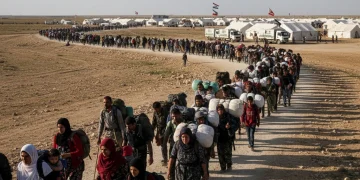
Before examining the specifics of US humanitarian aid in 2026, it’s crucial to contextualize the global humanitarian environment. The year 2025-2026 is expected to see a continuation, and in some cases, an intensification, of several major crises. Persistent conflicts in regions like the Middle East and parts of Africa continue to displace millions, creating protracted refugee situations and internal displacement. Climate-induced disasters, including droughts, floods, and extreme weather events, are becoming more frequent and severe, exacerbating food insecurity and damaging infrastructure in vulnerable nations. Furthermore, the lingering socio-economic impacts of recent global pandemics, coupled with new disease outbreaks, will likely strain healthcare systems and deepen poverty, increasing the demand for emergency relief and long-term recovery assistance.
Anúncios
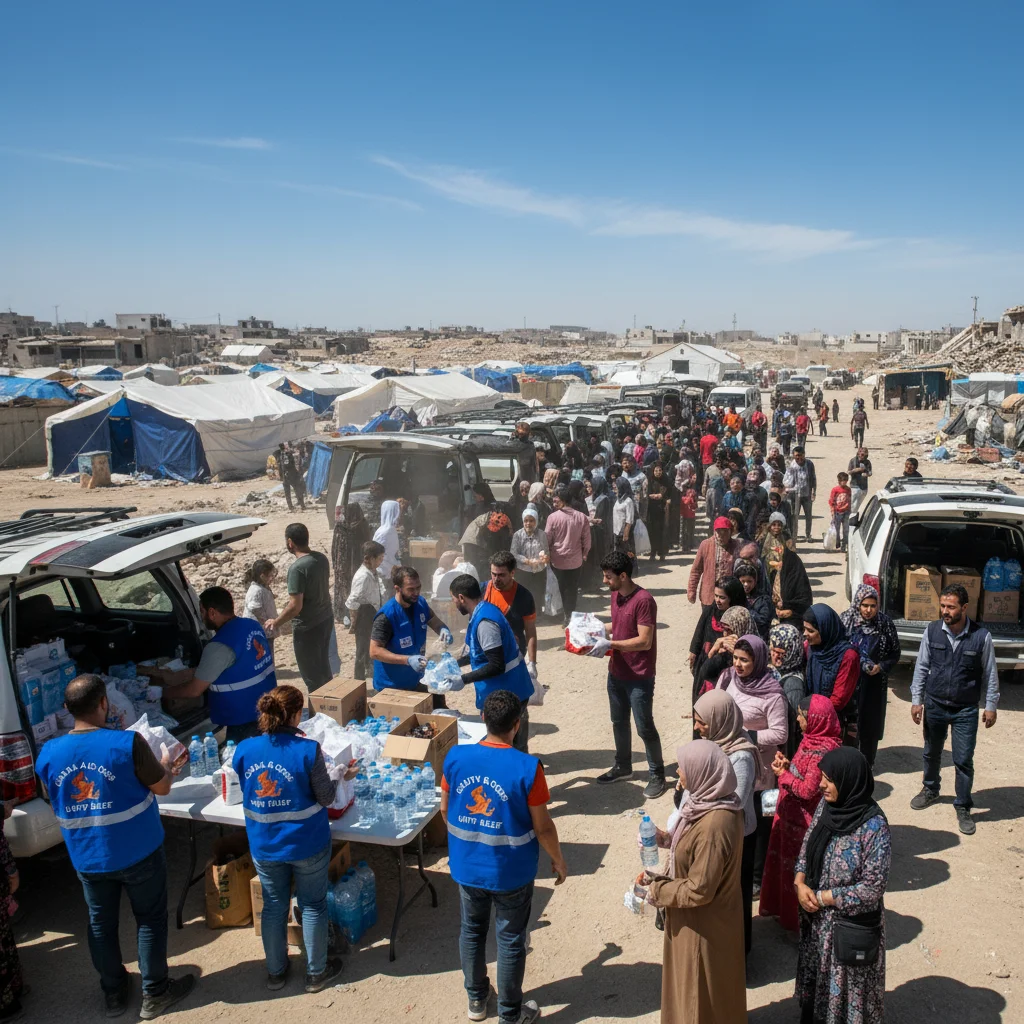
The complexity of these crises often means that humanitarian responses must be multi-sectoral, addressing not only immediate survival needs like food, water, and shelter but also health, sanitation, protection, and education. The interconnectedness of these challenges necessitates a holistic approach to aid, one that recognizes the interplay between various forms of vulnerability and seeks to build resilience within affected communities. The international community, including the United States, faces the ongoing challenge of adapting its strategies to these evolving needs, ensuring that aid is not only timely but also effective and sustainable.
U.S. Humanitarian Aid: A Historical Perspective and Current Framework
The United States has historically been the largest single donor of humanitarian assistance globally. This commitment stems from a combination of humanitarian principles, national security interests, and a desire to promote stability and democracy worldwide. US humanitarian aid is channeled through various government agencies, primarily the U.S. Agency for International Development (USAID) and the Department of State. These agencies work in partnership with international organizations such as the United Nations, non-governmental organizations (NGOs), and local partners on the ground.
The framework for U.S. humanitarian aid is built upon several pillars: emergency response, early recovery, and disaster risk reduction. Emergency response focuses on immediate life-saving interventions following a crisis. Early recovery aims to bridge the gap between emergency relief and long-term development, helping communities rebuild and restore essential services. Disaster risk reduction, increasingly emphasized, involves proactive measures to mitigate the impact of future disasters, such as early warning systems, resilient infrastructure, and community preparedness programs.
Funding for US humanitarian aid is allocated through annual appropriations from Congress, often supplemented by emergency supplemental funding in response to unforeseen crises. The allocation process involves careful assessment of needs, strategic priorities, and the capacity of implementing partners. Transparency and accountability are key tenets, with rigorous monitoring and evaluation mechanisms in place to ensure that aid reaches those most in need and achieves its intended impact.
Projected Priorities for U.S. Humanitarian Aid in 2026
Looking specifically at 2026, several key priorities are expected to shape the direction and focus of US humanitarian aid. These priorities are influenced by current global trends, anticipated crises, and the strategic foreign policy objectives of the United States.
Addressing Food Insecurity and Famine Prevention
Food insecurity remains a pervasive challenge, particularly in regions affected by conflict and climate change. In 2026, a significant portion of US humanitarian aid will likely be directed towards providing emergency food assistance, nutritional support, and agricultural resilience programs. The aim will be not only to prevent famine but also to strengthen local food systems and reduce dependence on external aid in the long term. This includes investing in climate-smart agriculture, supporting smallholder farmers, and improving market access.
Responding to Displacement Crises
The number of forcibly displaced people worldwide continues to reach record highs. In 2026, the U.S. will continue to be a major donor to refugee and internally displaced person (IDP) responses, providing shelter, protection, and essential services. This includes support for host communities, which often bear a significant burden when hosting large populations of displaced individuals. Efforts will also focus on promoting durable solutions, such as voluntary repatriation, local integration, or resettlement, where appropriate and safe.
Strengthening Health Systems and Pandemic Preparedness
The lessons learned from recent global health crises underscore the importance of robust health systems. US humanitarian aid in 2026 will likely prioritize investments in public health infrastructure, disease surveillance, vaccine distribution, and access to essential medicines in vulnerable countries. This proactive approach aims to prevent future outbreaks from escalating into full-blown humanitarian emergencies, protecting both local populations and global health security.
Climate Change Adaptation and Disaster Risk Reduction
Recognizing the increasing frequency and intensity of climate-related disasters, the U.S. will likely enhance its support for climate change adaptation and disaster risk reduction (DRR) initiatives. This includes funding for early warning systems, resilient infrastructure projects, environmental protection, and community-based preparedness programs. The goal is to build the capacity of communities to withstand and recover from climate shocks, thereby reducing their reliance on emergency humanitarian assistance.
Protecting Vulnerable Populations
Protection remains a cross-cutting priority. Women, children, the elderly, and people with disabilities are often disproportionately affected by crises. US humanitarian aid will continue to fund programs aimed at preventing and responding to gender-based violence, providing child protection services, and ensuring that aid is accessible and inclusive for all vulnerable groups. This includes advocating for humanitarian principles and international humanitarian law.
Funding Mechanisms and Resource Mobilization
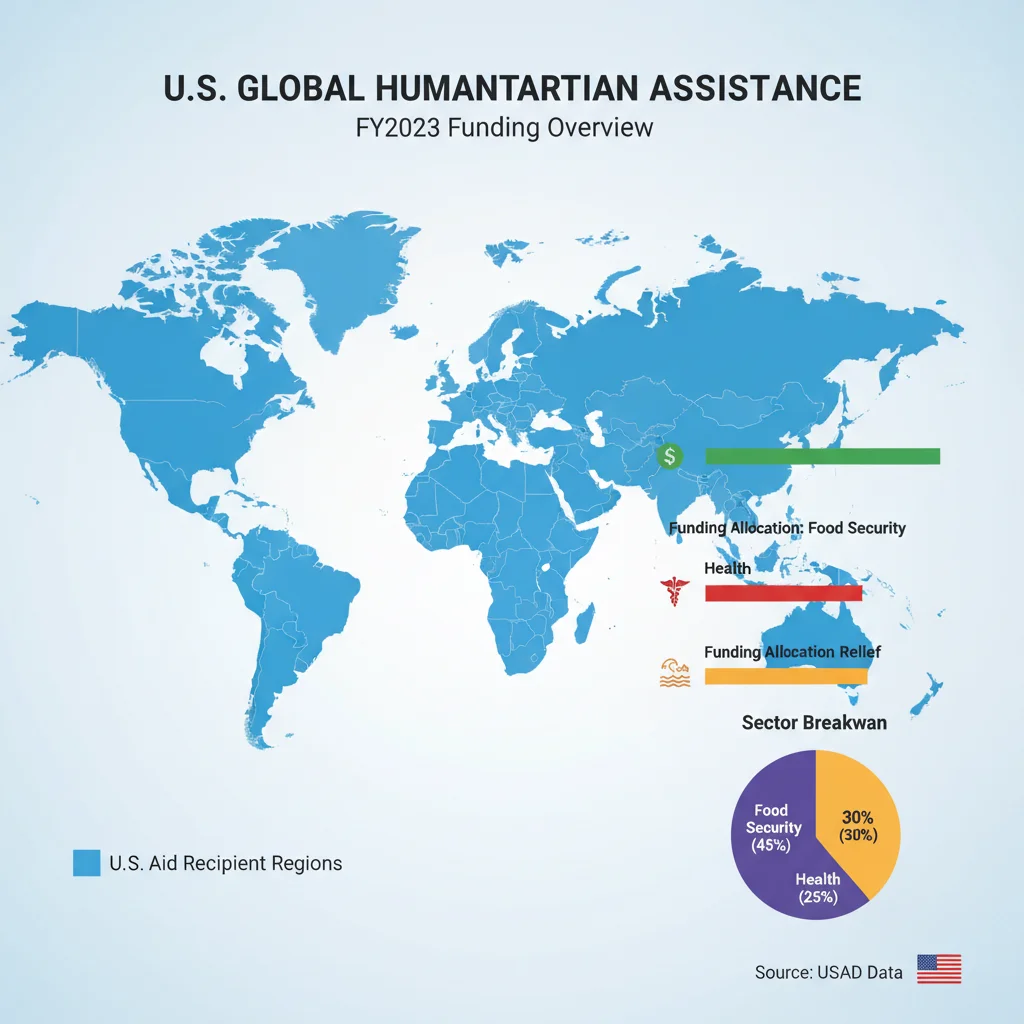
The effectiveness of US humanitarian aid is directly tied to the availability of adequate funding. In 2026, the U.S. government will continue to rely on a combination of annual appropriations and emergency supplemental funding. However, the global demand for humanitarian assistance often outstrips available resources, necessitating innovative approaches to resource mobilization.
One such approach involves leveraging partnerships with other donor nations, multilateral institutions, and the private sector. Collaborative funding mechanisms can help pool resources and ensure a more coordinated response. The U.S. also encourages burden-sharing among international partners to ensure a more equitable distribution of responsibility for global humanitarian needs.
Beyond direct financial contributions, the U.S. plays a significant role in advocating for increased humanitarian funding from other countries and international bodies. This diplomatic effort is crucial in ensuring that global humanitarian appeals are adequately met. Furthermore, the U.S. supports initiatives that promote local resource generation and financial resilience within affected countries, aiming to reduce long-term dependence on international aid.
Challenges and Opportunities for U.S. Humanitarian Aid in 2026
While the commitment to US humanitarian aid remains strong, several challenges and opportunities will shape its implementation in 2026.
Challenges:
- Access Constraints: In many conflict zones, humanitarian access remains a significant challenge. Bureaucratic hurdles, insecurity, and deliberate obstruction by warring parties can prevent aid from reaching those most in need. The U.S. will continue to engage in diplomatic efforts to advocate for unhindered humanitarian access.
- Funding Gaps: Despite being the largest donor, the sheer scale of global humanitarian needs often leads to significant funding shortfalls. This can force aid organizations to make difficult decisions about where to allocate limited resources, potentially leaving critical needs unmet.
- Politicization of Aid: Humanitarian aid can sometimes become politicized, with assistance being used as a tool of political leverage. The U.S. strives to uphold the principles of neutrality, impartiality, and independence in its humanitarian interventions, ensuring that aid is provided solely based on need.
- Climate Change Impacts: The escalating impacts of climate change are creating new and more complex humanitarian challenges, requiring innovative solutions and increased investment in adaptation and resilience.
- Complex Emergencies: Many crises are multi-layered, involving a combination of conflict, natural disasters, and economic collapse. Responding effectively to these complex emergencies requires sophisticated coordination and integrated approaches.
Opportunities:
- Technological Innovation: Advancements in technology, such as satellite imagery, data analytics, and mobile communications, offer new opportunities to improve needs assessments, aid delivery, and monitoring. The U.S. can leverage these innovations to enhance the efficiency and effectiveness of its aid programs.
- Localization of Aid: Increasing support for local and national humanitarian organizations can lead to more culturally appropriate, effective, and sustainable responses. The U.S. is committed to strengthening the capacity of local partners and empowering communities in their own recovery efforts.
- Early Action and Anticipatory Humanitarian Action: Shifting from reactive emergency response to proactive early action and anticipatory humanitarian action can save lives and reduce costs. By using predictive analytics to anticipate crises, aid can be deployed before a disaster fully unfolds.
- Strategic Partnerships: Strengthening partnerships with other governments, international organizations, the private sector, and civil society can amplify the impact of US humanitarian aid and foster a more collective global response to crises.
- Focus on Resilience Building: Moving beyond immediate relief to invest in long-term resilience building helps communities better withstand future shocks, ultimately reducing the need for repeated emergency interventions.
The Global Impact of U.S. Humanitarian Aid
The impact of US humanitarian aid extends far beyond the immediate provision of relief. It plays a crucial role in stabilizing regions, preventing further escalation of conflicts, and laying the groundwork for long-term development. By addressing basic needs and protecting vulnerable populations, U.S. assistance contributes to global security and stability.
In 2026, the continued commitment of the U.S. will mean millions of lives saved, reduced suffering, and improved living conditions for countless individuals affected by crises. It will support the education of children displaced by conflict, provide healthcare to those in remote areas, and offer a lifeline to communities grappling with food shortages. Furthermore, U.S. leadership in humanitarian affairs often encourages other nations to step up their contributions, fostering a more robust and coordinated international response.
The diplomatic efforts accompanying humanitarian aid also help to build goodwill and strengthen international relationships. By demonstrating compassion and solidarity, the U.S. reinforces its values on the global stage and contributes to a more peaceful and just world order. The long-term benefits of this aid include fostering economic recovery, promoting democratic governance, and building more resilient societies capable of addressing their own challenges.
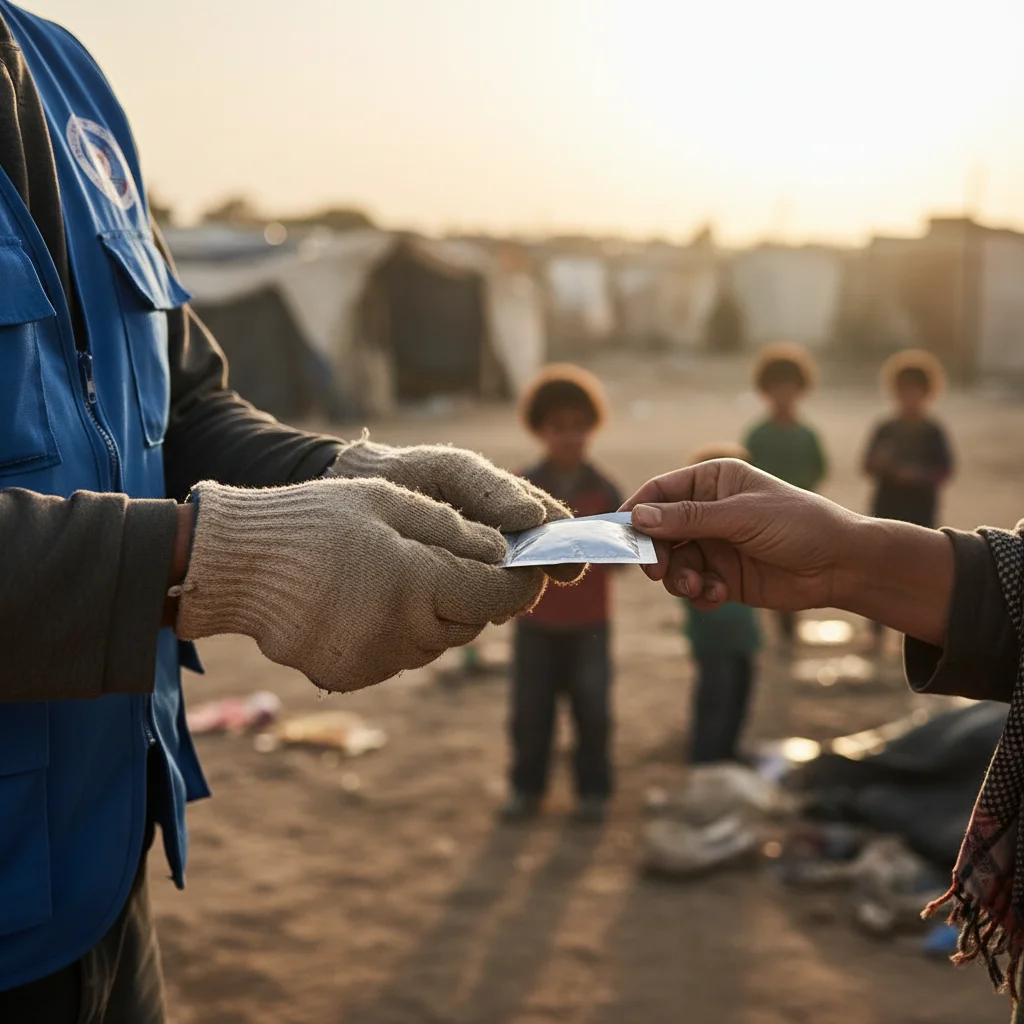
Measuring Effectiveness and Accountability
Ensuring the effectiveness and accountability of US humanitarian aid is paramount. In 2026, there will be a continued emphasis on robust monitoring and evaluation frameworks to assess the impact of programs. This involves collecting data on key indicators, conducting field visits, and engaging with affected communities to gather feedback.
Transparency in financial reporting and program implementation is also a core principle. The U.S. government works to ensure that taxpayer dollars are used efficiently and effectively, reaching their intended beneficiaries without diversion or corruption. This commitment to accountability helps to maintain public trust and support for humanitarian endeavors.
Furthermore, the U.S. actively participates in international efforts to standardize humanitarian reporting and improve coordination among aid actors. This includes supporting initiatives like the Grand Bargain, which aims to improve the efficiency and effectiveness of humanitarian aid by promoting greater transparency, localization, and participation of affected communities.
Looking Ahead: The Future of U.S. Humanitarian Engagement
As 2026 unfolds, the U.S. will continue to adapt its humanitarian strategies to meet the evolving demands of a complex world. This will involve continuous learning, innovation, and a willingness to collaborate with a diverse range of partners. The commitment to saving lives, alleviating suffering, and promoting human dignity will remain at the core of US humanitarian aid.
The discussions and decisions made within the next 12 months regarding funding levels, strategic priorities, and operational approaches will have a profound impact on the lives of millions. The U.S. role as a leader and catalyst in global humanitarian efforts will be crucial in inspiring collective action and ensuring that no one is left behind in times of crisis.
The challenges are immense, but so is the capacity for human compassion and collective action. By strategically deploying its resources, fostering strong partnerships, and embracing innovative solutions, US humanitarian aid in 2026 can continue to make a tangible difference in building a more resilient and equitable world.
Conclusion
In conclusion, US humanitarian aid in 2026 is poised to continue its vital role in addressing global crises. Faced with a complex array of challenges ranging from protracted conflicts and climate change to public health emergencies, the United States will prioritize food security, displacement responses, health system strengthening, and disaster risk reduction. Through strategic funding, robust partnerships, and a commitment to accountability, the U.S. aims to maximize its global impact, saving lives, alleviating suffering, and fostering long-term resilience in vulnerable communities. The next 12 months will be critical in demonstrating the enduring power of humanitarian action and the unwavering commitment of the United States to a more humane world.