2026 Regulatory Shift: Boosting US Business Growth by 18%
Anúncios
Decoding the 2026 Shift: How Recent Regulatory Updates are Reshaping U.S. Business Growth by 18%
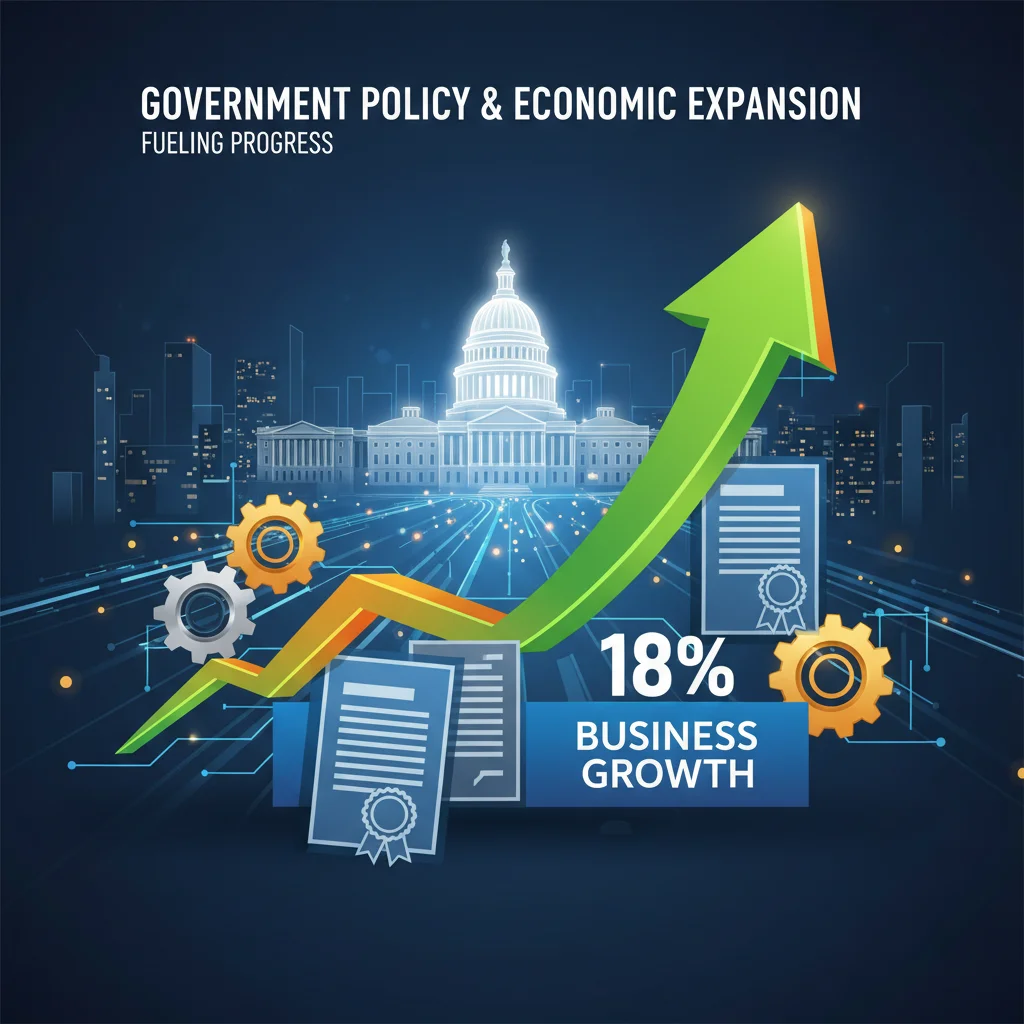
The business landscape is in a constant state of flux, driven by technological advancements, market demands, and, perhaps most significantly, regulatory changes. As we approach 2026, a series of pivotal regulatory updates are poised to usher in a new era for U.S. businesses. These changes aren’t just minor adjustments; they represent a fundamental reshaping of the operational environment, with projections indicating a potential 18% boost in U.S. business growth. Understanding this 2026 Regulatory Shift is not merely an academic exercise; it’s a critical imperative for any enterprise aiming to not just survive but thrive in the coming years. This comprehensive article will delve into the intricacies of these updates, their far-reaching implications, and offer actionable strategies for businesses to leverage these changes for unprecedented growth.
Anúncios
The Genesis of the 2026 Regulatory Shift: What’s Driving the Change?
To fully grasp the magnitude of the impending 2026 Regulatory Shift, it’s essential to understand the underlying forces propelling these changes. Several factors are at play, converging to create a regulatory environment designed to foster innovation, ensure fair competition, and address emerging societal challenges. These include:
Anúncios
- Technological Evolution: The rapid pace of technological innovation, particularly in areas like artificial intelligence, blockchain, and biotechnology, has outpaced existing regulatory frameworks. New regulations aim to provide clarity, encourage responsible development, and mitigate potential risks associated with these transformative technologies.
- Environmental and Social Governance (ESG) Imperatives: A growing global emphasis on sustainability, climate change mitigation, and social equity is translating into stricter ESG reporting requirements and operational standards. Businesses are increasingly expected to demonstrate their commitment to environmental stewardship and social responsibility.
- Global Competitiveness: The U.S. government is keen on maintaining and enhancing the nation’s competitive edge on the global stage. Regulatory adjustments are often designed to streamline processes, reduce barriers to entry for new businesses, and incentivize domestic investment and production.
- Consumer Protection and Data Privacy: With the increasing digitization of commerce and personal interactions, protecting consumer data and ensuring fair practices remains a top priority. Expect enhanced regulations regarding data security, privacy rights, and transparent business dealings.
- Supply Chain Resilience: Recent global disruptions have highlighted vulnerabilities in supply chains. New regulations are being introduced to promote diversification, transparency, and resilience within critical supply networks, encouraging domestic sourcing and strategic international partnerships.
These drivers underscore a proactive approach to governance, aiming to create a robust, ethical, and dynamic economic ecosystem. The projected 18% growth isn’t a mere coincidence; it’s an anticipated outcome of a strategic recalibration of the regulatory landscape, designed to unlock new opportunities and efficiencies.
Key Pillars of the 2026 Regulatory Shift: A Deep Dive
While the specifics of every regulation are extensive, several overarching themes and key areas define the 2026 Regulatory Shift. Businesses across sectors will need to pay close attention to these pillars:
1. Digital Economy and Cybersecurity Regulations
The digital economy is a primary focus. New regulations are expected to standardize cybersecurity protocols, enhance data breach notification requirements, and establish clearer guidelines for artificial intelligence ethics and deployment. This includes:
- Enhanced Data Governance: Stricter rules around data collection, storage, processing, and sharing, mirroring some aspects of international frameworks like GDPR, but tailored to the U.S. context. This will impact how businesses handle customer information, employee data, and proprietary insights.
- AI Accountability Frameworks: As AI becomes more prevalent, regulations will likely focus on transparency in AI decision-making, bias mitigation, and accountability for AI-driven outcomes. This is crucial for sectors like finance, healthcare, and human resources.
- Cybersecurity Compliance: Mandatory adoption of advanced cybersecurity measures, regular audits, and robust incident response plans will become the norm, particularly for critical infrastructure and sectors handling sensitive data.
For businesses, this means investing in robust IT infrastructure, training staff in data privacy best practices, and potentially re-evaluating their data handling policies. The upside? Increased consumer trust and a more secure digital environment fostering innovation.
2. Environmental, Social, and Governance (ESG) Mandates
ESG factors are no longer niche considerations; they are becoming central to business operations and investor decisions. The 2026 Regulatory Shift will significantly amplify ESG requirements:
- Mandatory Climate-Related Disclosures: Companies, especially publicly traded ones, will face more stringent requirements to disclose their climate risks, emissions, and strategies for achieving sustainability goals. This will necessitate accurate data collection and reporting.
- Supply Chain Due Diligence: Regulations will likely extend to ensuring ethical labor practices and environmental sustainability throughout a company’s supply chain, potentially requiring greater transparency from suppliers.
- Diversity, Equity, and Inclusion (DEI) Reporting: Increased pressure for companies to report on their DEI initiatives, workforce demographics, and efforts to foster inclusive workplaces.
Embracing ESG principles proactively can lead to significant competitive advantages, including attracting socially conscious investors, enhancing brand reputation, and fostering a more engaged workforce.
3. Workforce Development and Labor Laws
The future of work is also a key area of regulatory focus. The 2026 Regulatory Shift is expected to introduce changes aimed at supporting a dynamic workforce and ensuring fair labor practices:
- Gig Economy Worker Classifications: Clarity on the classification of gig workers versus employees, impacting benefits, taxes, and labor protections. This will have significant implications for platforms and businesses relying heavily on contract labor.
- Skills Training and Reskilling Incentives: Government programs and tax incentives are anticipated to encourage businesses to invest in upskilling and reskilling their workforces, addressing skills gaps, and preparing for future job demands.
- Workplace Safety and Health Standards: Continuous updates to occupational safety and health regulations, particularly concerning new technologies, remote work environments, and mental health support.
Businesses that invest in their human capital and adapt to evolving labor laws will find themselves better positioned to attract and retain top talent, contributing to overall productivity and growth.

4. Anti-Trust and Competition Regulations
Ensuring fair competition remains a cornerstone of U.S. economic policy. The 2026 Regulatory Shift will likely involve:
- Increased Scrutiny of Mergers and Acquisitions: A more rigorous review process for proposed mergers and acquisitions, particularly in tech and other rapidly consolidating sectors, to prevent monopolistic practices.
- Digital Market Fair Practices: Regulations aimed at curbing anti-competitive behavior by dominant digital platforms, ensuring a level playing field for smaller businesses and innovators.
- Data Portability and Interoperability: Rules that make it easier for consumers to switch between services and for different platforms to communicate, fostering greater competition and innovation.
These changes aim to foster a more dynamic and competitive market, which can benefit consumers through lower prices and more innovative products and services, while also creating opportunities for new market entrants.
The 18% Growth Projection: A Deeper Look at the Economic Impact
The projected 18% growth attributed to the 2026 Regulatory Shift is a bold forecast, but it’s grounded in several economic principles and anticipated outcomes:
- Increased Efficiency and Innovation: By clarifying rules around emerging technologies and fostering fair competition, regulations can reduce uncertainty, encourage investment in R&D, and streamline operational processes. This leads to higher productivity and innovative breakthroughs.
- Enhanced Consumer Trust: Stricter data privacy and consumer protection laws build trust, encouraging greater participation in the digital economy and expanding market opportunities.
- Attracting Investment: A clear and stable regulatory environment is attractive to both domestic and foreign investors. When regulations provide a predictable framework, capital is more likely to flow into the U.S. economy.
- New Market Opportunities: ESG mandates, for instance, can spur the creation of new industries and services focused on sustainability, renewable energy, and ethical supply chain management. Similarly, clear AI regulations can accelerate the development of AI-powered solutions.
- Reduced Systemic Risks: By addressing issues like cybersecurity vulnerabilities and supply chain fragility, the new regulations aim to reduce systemic risks that could otherwise lead to economic instability and dampen growth.
This 18% growth isn’t automatic; it hinges on businesses effectively navigating the new landscape and capitalizing on the opportunities presented by the 2026 Regulatory Shift. It represents the potential unlocked when regulatory frameworks align with economic dynamism and societal values.
Strategies for Businesses to Thrive Amidst the 2026 Regulatory Shift
Navigating the 2026 Regulatory Shift requires a proactive and strategic approach. Here are key strategies for businesses to not only comply but also leverage these changes for growth:
1. Proactive Compliance and Risk Management
The first step is always compliance. Businesses must:
- Conduct a Regulatory Audit: Identify all new and updated regulations relevant to your industry and operations.
- Update Internal Policies: Revise data privacy policies, cybersecurity protocols, ESG reporting frameworks, and HR policies to align with new mandates.
- Invest in Training: Ensure employees at all levels are aware of and trained on new compliance requirements, especially regarding data handling, ethical AI use, and ESG principles.
- Leverage Technology for Compliance: Implement compliance management software and AI-powered tools to monitor regulatory changes, automate reporting, and track adherence.
Proactive compliance minimizes legal risks, avoids hefty fines, and positions your business as a responsible and trustworthy entity.
2. Embrace ESG as a Growth Driver
Instead of viewing ESG mandates as mere burdens, businesses should see them as opportunities:
- Innovate Sustainable Products/Services: Develop new offerings that address environmental or social needs, tapping into growing markets for sustainable solutions.
- Optimize Operations for Sustainability: Implement energy-efficient practices, reduce waste, and improve supply chain transparency. This can lead to cost savings and enhanced brand reputation.
- Attract and Retain Talent: A strong commitment to ESG can make your company more attractive to top talent, particularly younger generations who prioritize ethical workplaces.
- Access Green Financing: Many investors are increasingly allocating capital to companies with strong ESG performance, potentially providing access to more favorable financing options.
3. Invest in Digital Transformation and Cybersecurity
The digital economy regulations underscore the need for robust digital infrastructure:
- Upgrade Cybersecurity Defenses: Implement advanced threat detection, multi-factor authentication, and regular penetration testing.
- Modernize Data Management: Adopt secure cloud solutions, implement data encryption, and ensure proper data lifecycle management.
- Explore AI for Efficiency: Responsibly integrate AI tools to automate processes, enhance customer service, and gain deeper insights, ensuring compliance with new AI ethics guidelines.
These investments not only ensure compliance but also enhance operational efficiency, foster innovation, and protect valuable assets.
4. Foster a Resilient and Adaptive Workforce
The changes in labor laws and the emphasis on skills development mean businesses must:
- Prioritize Upskilling and Reskilling: Invest in continuous learning programs for employees to adapt to new technologies and regulatory requirements.
- Review Workforce Structures: Re-evaluate contract worker classifications and ensure compliance with new gig economy regulations.
- Cultivate a Culture of Adaptability: Encourage employees to embrace change, learn new skills, and contribute to a dynamic work environment.
A well-trained and adaptable workforce is a key competitive advantage in a rapidly evolving regulatory landscape.
5. Engage with Policymakers and Industry Associations
Staying informed and having a voice in the regulatory process is crucial:
- Monitor Legislative Developments: Keep track of proposed regulations and provide feedback where possible.
- Join Industry Associations: Collaborate with peers to share best practices, advocate for industry interests, and collectively influence regulatory outcomes.
- Consult Legal Experts: Engage with legal professionals specializing in regulatory compliance to ensure your strategies are sound.
Active engagement can help shape regulations in a way that is beneficial for your business and the broader industry.
Case Studies: Early Adopters and Future Success
While 2026 is still on the horizon, some forward-thinking companies are already demonstrating how embracing elements of the impending 2026 Regulatory Shift can lead to significant gains. Consider the example of a mid-sized manufacturing firm that proactively invested in reducing its carbon footprint and implementing transparent supply chain practices even before mandatory ESG reporting. This move not only attracted a new segment of environmentally conscious consumers but also secured preferential financing from a bank committed to sustainable investments. Their early adoption of what would become future regulatory norms positioned them as a market leader, showcasing the direct link between proactive compliance and increased profitability.
Another example is a tech startup that, anticipating stricter data privacy laws, built its platform with privacy-by-design principles from the ground up. This approach, while requiring initial investment, differentiated them from competitors, earned them significant user trust, and allowed them to expand into international markets with stringent data protection laws seamlessly. When the U.S. regulations align with these standards, they will face minimal disruption, highlighting the competitive edge gained by anticipating the 2026 Regulatory Shift.
Challenges and Mitigation Strategies
While the 18% growth projection is optimistic, it’s important to acknowledge potential challenges associated with the 2026 Regulatory Shift. Increased compliance costs, the complexity of new frameworks, and the potential for regulatory fragmentation across states could pose hurdles. Small and medium-sized enterprises (SMEs), in particular, might find it challenging to allocate resources for comprehensive compliance.
To mitigate these challenges:
- Seek Government Support: Look for government grants, tax incentives, or educational programs designed to help businesses adapt to new regulations.
- Form Partnerships: Collaborate with other businesses or industry associations to share resources and expertise in compliance.
- Phased Implementation: Break down compliance efforts into manageable phases, prioritizing the most critical areas first.
- Leverage Consulting Services: For complex areas, consider engaging specialized consultants who can provide expert guidance and support.
The goal is to transform potential obstacles into stepping stones for growth, ensuring that the benefits of the 2026 Regulatory Shift are accessible to businesses of all sizes.
Conclusion: The Path to 18% Growth Through Regulatory Acumen
The 2026 Regulatory Shift represents a significant inflection point for U.S. businesses. Far from being a mere bureaucratic burden, these updates are strategically designed to foster a more resilient, innovative, and ethically sound economy. The projected 18% boost in business growth is a testament to the transformative potential embedded within these regulations, provided businesses are prepared to adapt and innovate.
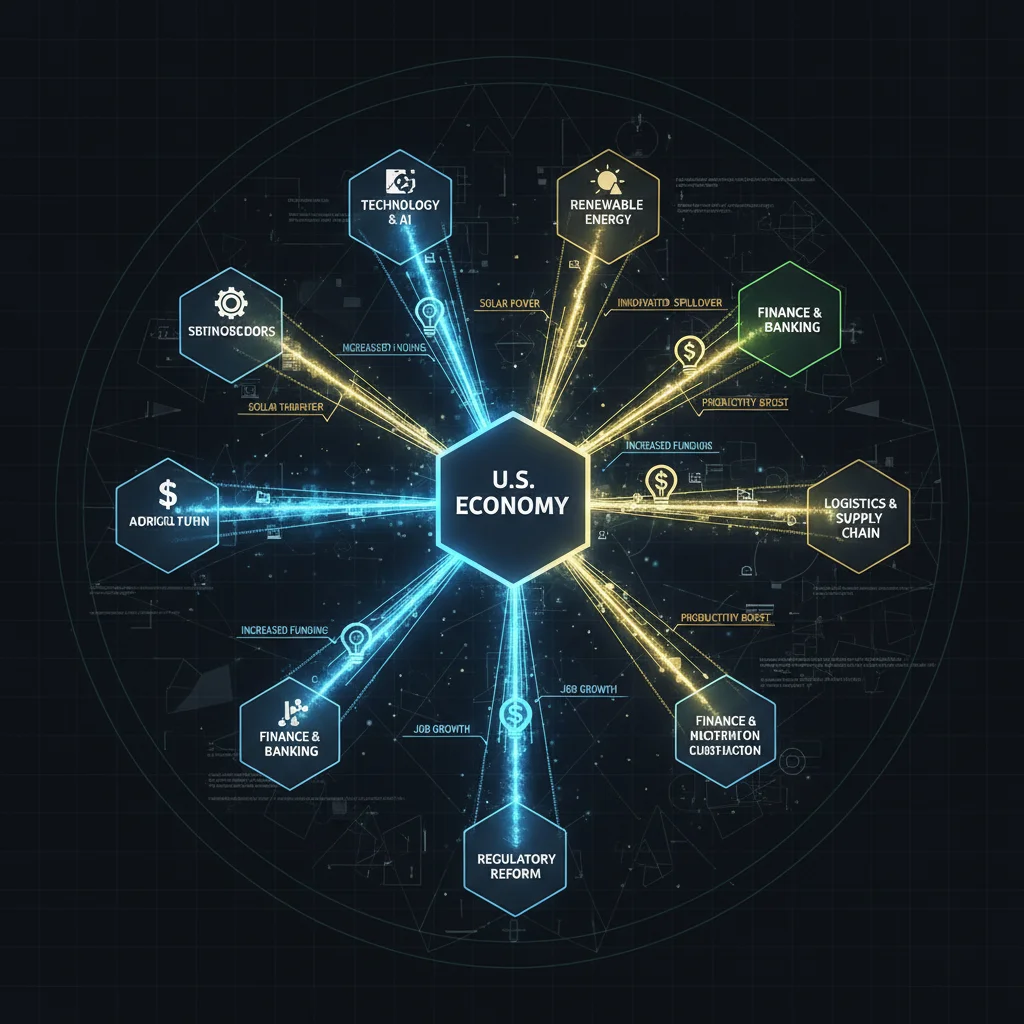
By proactively engaging with new digital economy regulations, embracing ESG principles as a core business strategy, investing in a future-ready workforce, and ensuring fair competition, companies can not only achieve compliance but also unlock substantial new opportunities. The businesses that understand the nuances of this shift, integrate them into their strategic planning, and view them as catalysts for positive change will be the ones that lead the charge in this new era of sustained economic growth. The time to prepare for 2026 is now, ensuring your enterprise is well-positioned to capitalize on this unprecedented opportunity for expansion and success.