Navigating Sanctions: U.S. Businesses Face Rising Compliance Costs
Anúncios
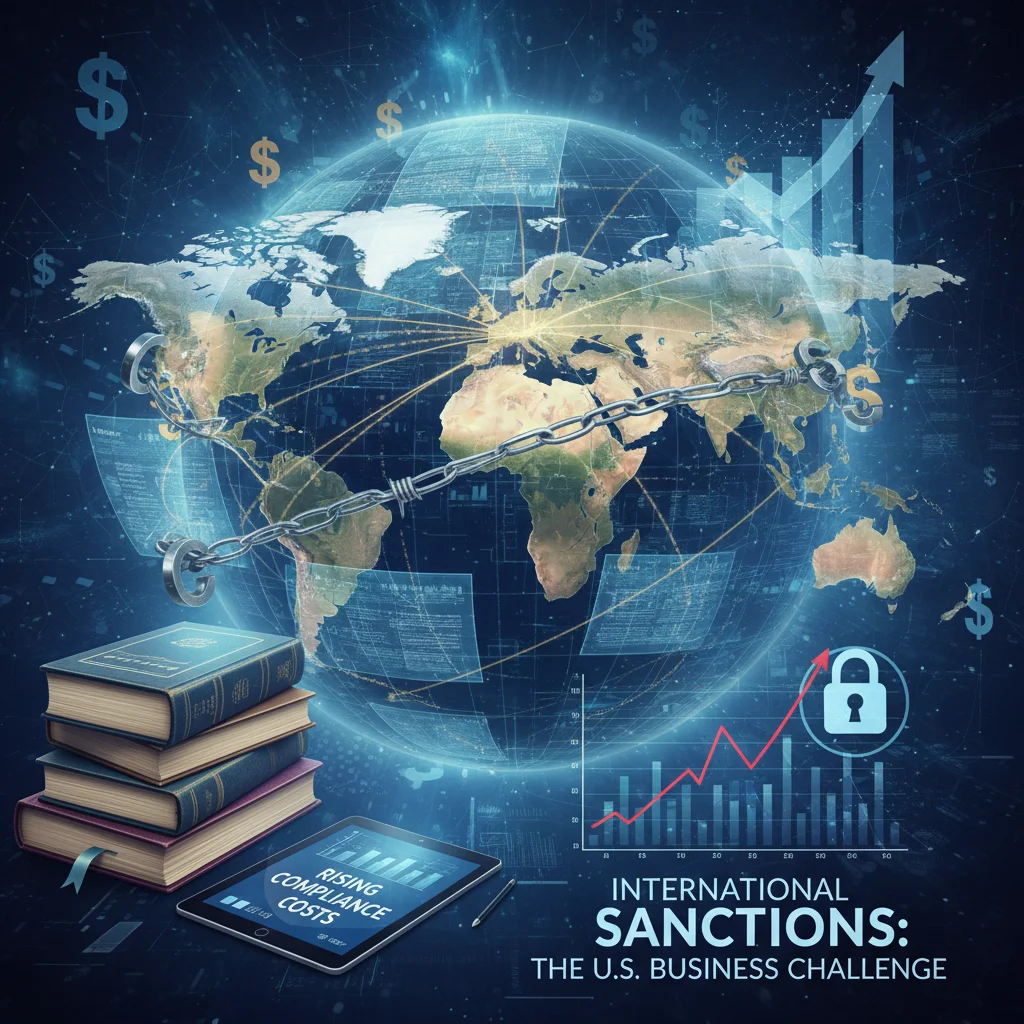
Navigating New Sanctions: U.S. Businesses Face 15% Increased Compliance Costs in Q1 2026
The global geopolitical landscape is in constant flux, and with it, the intricate web of international sanctions continues to evolve. For U.S. businesses, this evolution is not merely a matter of policy but a direct impact on their operational bottom line. Recent projections indicate a substantial challenge on the horizon: U.S. businesses are expected to face a significant 15% increase in sanctions compliance costs in the first quarter of 2026. This anticipated surge underscores the critical need for proactive strategies, robust internal controls, and an agile approach to regulatory adherence. The implications extend far beyond mere financial expenditure, touching upon reputational risk, operational efficiency, and market access. Understanding the drivers behind this increase and developing effective mitigation strategies is paramount for any business operating in the global marketplace.
Anúncios
The complexity of sanctions regimes, coupled with their dynamic nature, presents a formidable challenge. From the Office of Foreign Assets Control (OFAC) in the U.S. to various international bodies, the rules of engagement are constantly being redefined. Businesses must not only keep pace with these changes but also anticipate their ripple effects across supply chains, financial transactions, and customer relationships. The 15% increase in sanctions compliance costs is a stark reminder that regulatory vigilance is no longer a luxury but a fundamental necessity for sustained success and ethical operation. This article delves deep into the reasons behind this projected increase, explores the multifaceted impacts on U.S. businesses, and offers actionable insights into navigating this complex and costly environment.
Anúncios
The landscape of international sanctions is characterized by its increasing breadth and depth. Historically, sanctions targeted specific individuals or entities. Today, they encompass entire sectors, regions, and even types of transactions, making the task of identifying and preventing violations infinitely more challenging. This expansion, coupled with heightened enforcement actions and the growing expectation of due diligence, directly contributes to the rising sanctions compliance costs. Businesses are compelled to invest more in technology, personnel, and training to meet these escalating demands. Failure to do so can result in severe penalties, including hefty fines, reputational damage, and even criminal charges, far outweighing the initial compliance expenditures.
Understanding the Drivers Behind the 15% Increase in Sanctions Compliance Costs
Several key factors are converging to drive the projected 15% increase in sanctions compliance costs for U.S. businesses in Q1 2026. A thorough understanding of these drivers is the first step toward developing effective mitigation strategies. Without this foundational knowledge, businesses risk being caught off guard by regulatory changes and the associated financial burdens.
Expansion and Evolution of Sanctions Regimes
The primary driver is the continuous expansion and evolution of sanctions regimes. Geopolitical events, such as conflicts, human rights concerns, and cybersecurity threats, frequently trigger new sanctions or amendments to existing ones. These changes often come with little notice, requiring businesses to rapidly adapt their compliance frameworks. The scope of sanctions has broadened significantly, moving beyond traditional financial restrictions to include measures targeting technology transfers, maritime shipping, and even cultural exchanges. This complexity necessitates more sophisticated screening tools and a deeper understanding of nuanced legal interpretations, all of which add to sanctions compliance costs.
Increased Enforcement and Regulatory Scrutiny
Regulatory bodies, particularly OFAC, have demonstrated an increased willingness to pursue enforcement actions against companies that violate sanctions. This heightened scrutiny translates into a greater need for businesses to demonstrate robust compliance programs. The penalties for non-compliance are severe and can include multi-million dollar fines, disgorgement of profits, and public reprimands. To avoid these repercussions, businesses are investing more in compliance personnel, external legal counsel, and advanced monitoring systems, directly contributing to higher sanctions compliance costs.
Technological Advancements in Sanctions Evasion
As compliance efforts become more sophisticated, so do methods of sanctions evasion. Perpetrators are increasingly utilizing complex corporate structures, cryptocurrency, and dark web activities to circumvent restrictions. This arms race necessitates continuous investment in cutting-edge compliance technology, including artificial intelligence (AI) and machine learning (ML) tools, to detect and prevent illicit activities. The cost of acquiring, implementing, and maintaining these advanced solutions is a significant component of the rising sanctions compliance costs.
Data Management and Due Diligence Challenges
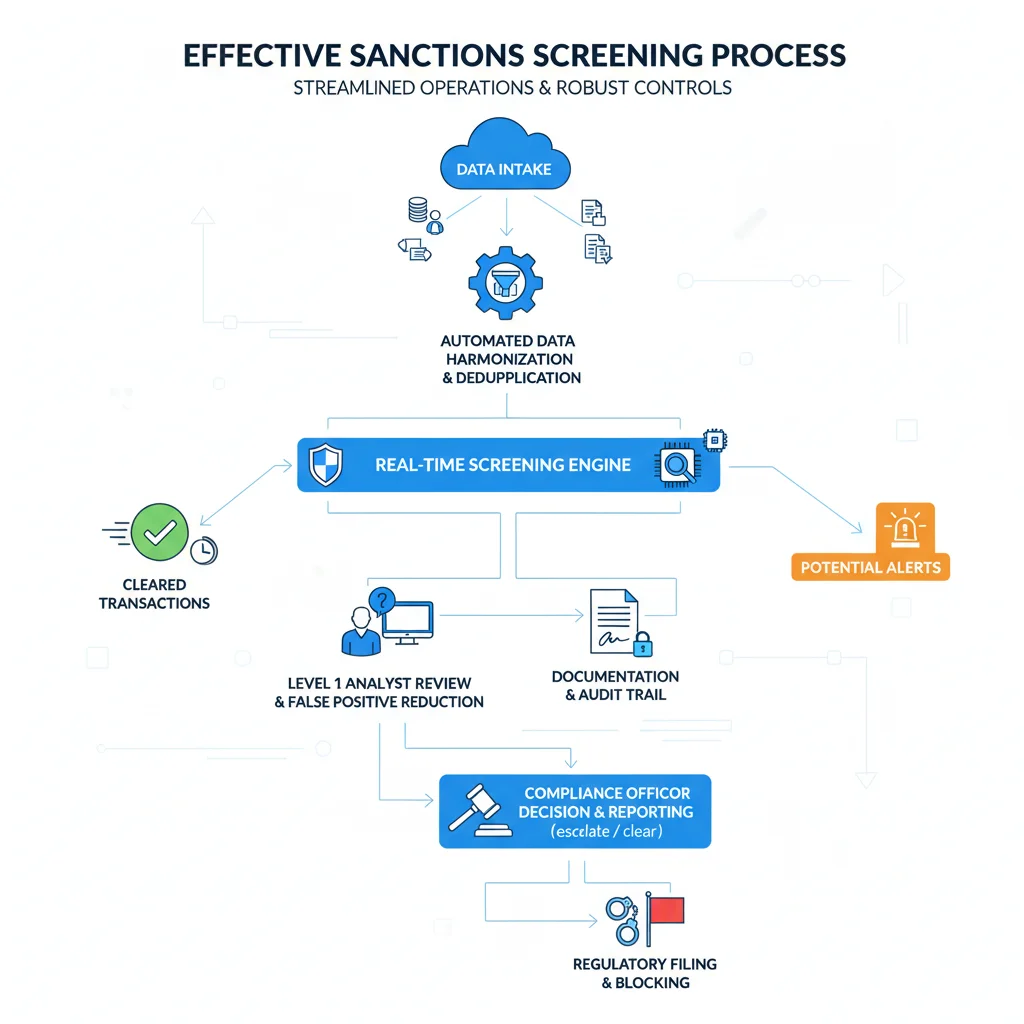
Effective sanctions compliance relies heavily on accurate and comprehensive data. Businesses must conduct thorough due diligence on their customers, suppliers, and partners, often across multiple jurisdictions. This involves screening vast amounts of data against various sanctions lists, identifying beneficial ownership, and monitoring transactions in real-time. The sheer volume and complexity of this data, combined with the need for ongoing updates and validation, present significant operational and financial challenges, further escalating sanctions compliance costs.
Talent Shortage and Expertise Demand
The specialized nature of sanctions compliance requires a highly skilled workforce. There is a growing demand for compliance professionals with expertise in international law, financial regulations, data analytics, and risk management. The scarcity of such talent drives up recruitment costs, salaries, and the need for continuous professional development. Businesses are also increasingly relying on external consultants and legal experts, adding another layer to their overall sanctions compliance costs.
Impact on U.S. Businesses: Beyond the Financial Burden
While the 15% increase in sanctions compliance costs is a significant financial burden, the impact on U.S. businesses extends far beyond monetary expenditures. These broader implications can affect competitiveness, market access, and long-term sustainability.
Operational Disruptions and Inefficiencies
Implementing and maintaining a robust sanctions compliance program can lead to significant operational disruptions. Screening processes can slow down transactions, delay onboarding of new customers or partners, and require substantial internal resources. This can impact efficiency, customer experience, and the speed at which businesses can operate in a fast-paced global economy. The need to constantly update systems and retrain staff also diverts resources from core business activities, indirectly increasing sanctions compliance costs.
Reputational Damage and Loss of Trust
Sanctions violations, even unintentional ones, can severely damage a company’s reputation. Public enforcement actions, media scrutiny, and loss of trust from customers, investors, and partners can have long-lasting negative consequences. Rebuilding a damaged reputation is often more costly and time-consuming than the initial compliance investment. This intangible cost is a critical consideration for businesses navigating the complex world of sanctions compliance costs.
Limited Market Access and Business Opportunities
Strict sanctions regimes can limit a business’s ability to operate in certain markets or engage with specific entities. This can lead to missed business opportunities and a reduction in potential revenue streams. Companies may choose to de-risk by exiting certain markets or refusing to engage with entities perceived as high-risk, even if those entities are not directly sanctioned. While a prudent measure, this can constrain growth and competitiveness, adding an indirect layer to the overall impact of sanctions compliance costs.
Increased Complexity for Small and Medium-Sized Enterprises (SMEs)
SMEs often lack the dedicated resources and expertise of larger corporations to manage complex sanctions compliance programs. The disproportionate burden of rising sanctions compliance costs can be particularly challenging for these businesses, potentially hindering their ability to engage in international trade and expand their global footprint. This creates an uneven playing field and may force some SMEs to scale back their international operations.
Strategies for Mitigating Rising Sanctions Compliance Costs
While the projected increase in sanctions compliance costs is inevitable, businesses can adopt several strategic approaches to mitigate its financial and operational impact. Proactive planning and investment in the right areas can transform compliance from a reactive burden into a strategic advantage.
Embrace Technology and Automation
Investing in advanced compliance technology is no longer optional; it is essential. AI and ML-powered solutions can automate sanctions screening, transaction monitoring, and due diligence processes, significantly reducing manual effort and human error. These technologies can process vast amounts of data quickly, identify hidden risks, and adapt to evolving sanctions lists. While the initial investment may contribute to sanctions compliance costs, the long-term benefits in efficiency and accuracy far outweigh the upfront expense. Consider solutions that offer real-time updates and integrate seamlessly with existing systems.

Develop a Robust, Risk-Based Compliance Framework
A one-size-fits-all approach to sanctions compliance is ineffective and inefficient. Businesses should develop a risk-based framework tailored to their specific operations, geographic footprint, and customer base. This involves identifying and assessing the unique sanctions risks they face and allocating resources accordingly. A robust framework includes:
- Comprehensive Risk Assessment: Regularly assess sanctions risks across all business units, products, services, and geographies.
- Clear Policies and Procedures: Establish clear, written policies and procedures for sanctions compliance, ensuring they are regularly updated and communicated throughout the organization.
- Effective Screening: Implement robust screening processes for customers, beneficial owners, transactions, and third parties against all relevant sanctions lists.
- Ongoing Monitoring: Continuously monitor transactions and relationships for suspicious activities or changes in sanctions status.
- Internal Controls: Establish strong internal controls to prevent and detect sanctions violations.
By focusing resources on the highest-risk areas, businesses can optimize their sanctions compliance costs and improve overall effectiveness.
Invest in Continuous Training and Education
Human error remains a significant factor in sanctions violations. Regular and comprehensive training for all relevant employees, from front-line staff to senior management, is crucial. Training should cover the latest sanctions regimes, internal policies, and the consequences of non-compliance. It should also be tailored to specific roles and responsibilities. An informed workforce is a powerful defense against violations and can help reduce the overall burden of sanctions compliance costs by preventing costly mistakes.
Enhance Third-Party Due Diligence
The risk of sanctions violations often extends beyond direct customers to third-party relationships, including suppliers, distributors, agents, and even joint venture partners. Businesses must conduct thorough and ongoing due diligence on all third parties to ensure they are not inadvertently facilitating sanctioned activities. This involves screening, contractual clauses requiring compliance, and continuous monitoring. A failure in third-party due diligence can lead to significant penalties and reputational damage, making it a critical area for managing sanctions compliance costs.
Foster a Culture of Compliance
Ultimately, effective sanctions compliance is not just about systems and procedures; it’s about fostering a strong culture of compliance throughout the organization. This starts from the top, with leadership demonstrating a clear commitment to ethical conduct and regulatory adherence. When compliance is embedded in the company’s values and operations, employees are more likely to report concerns, follow procedures, and prioritize adherence. A strong compliance culture can significantly reduce the likelihood of violations, thereby mitigating potential fines and the associated sanctions compliance costs.
The Role of Government and Industry Collaboration
While businesses bear the primary responsibility for sanctions compliance, government bodies and industry associations also have a crucial role to play in mitigating the rising sanctions compliance costs. Collaboration between these stakeholders can lead to more effective and efficient compliance ecosystems.
Clearer Guidance and Communication
Regulatory bodies can assist by providing clearer, more timely guidance on new sanctions and their interpretations. Ambiguity in regulations often forces businesses to over-comply or seek expensive legal advice, contributing to higher sanctions compliance costs. Streamlined communication channels and accessible resources can help businesses understand their obligations more effectively.
Harmonization of International Sanctions
The lack of harmonization across different international sanctions regimes adds significant complexity for multinational businesses. Efforts to align sanctions lists, definitions, and enforcement approaches among allied nations could reduce the burden on companies operating globally. While challenging, greater harmonization could lead to substantial reductions in overall sanctions compliance costs.
Industry Best Practices and Information Sharing
Industry associations can facilitate the sharing of best practices, technological solutions, and threat intelligence among member companies. Collaborative initiatives to develop common standards for due diligence or sanctions screening could benefit the entire sector, particularly SMEs. This collective approach can help distribute the burden of rising sanctions compliance costs and foster a more resilient compliance environment.
Case Studies and Real-World Implications
Examining past incidents provides valuable lessons on the real-world implications of sanctions non-compliance and the escalating sanctions compliance costs. Numerous high-profile cases have highlighted the severe financial penalties and reputational damage that can result from failures in compliance. For instance, financial institutions have faced multi-billion dollar fines for processing transactions involving sanctioned entities, even when such violations were due to oversight rather than malicious intent. These cases underscore the importance of investing in robust compliance programs, as the cost of non-compliance almost always far exceeds the cost of compliance.
Furthermore, businesses in sectors like technology and manufacturing have also felt the impact. Export control violations related to sanctions can lead to product seizures, loss of export privileges, and criminal charges for individuals involved. The need for precise end-user and end-use checks has never been more critical. The increasing sophistication of sanctions evasion techniques, such as the use of shell companies and cryptocurrency, means that traditional compliance methods are no longer sufficient. Businesses must continuously update their strategies and tools to stay ahead of evolving threats, further driving up sanctions compliance costs.
Preparing for Q1 2026 and Beyond
The projected 15% increase in sanctions compliance costs for U.S. businesses in Q1 2026 is a significant milestone that demands immediate attention. Businesses should not wait until the last minute to assess and upgrade their compliance frameworks. Proactive measures taken now can significantly cushion the impact of these rising costs and ensure continued operational resilience.
Key steps for preparation include:
- Conducting a Current State Assessment: Evaluate your existing sanctions compliance program to identify gaps, vulnerabilities, and areas for improvement.
- Budgeting for Increased Costs: Incorporate the projected increase in sanctions compliance costs into your financial planning for 2025 and 2026.
- Exploring New Technologies: Research and pilot AI/ML-driven compliance solutions that can enhance efficiency and accuracy.
- Reviewing Third-Party Relationships: Re-evaluate your third-party due diligence processes and consider enhanced monitoring for high-risk partners.
- Engaging Legal and Compliance Experts: Consult with legal counsel and compliance experts to stay abreast of regulatory changes and obtain tailored advice.
- Scenario Planning: Develop contingency plans for potential new sanctions regimes or enforcement actions.
By taking these steps, U.S. businesses can transform the challenge of rising sanctions compliance costs into an opportunity to strengthen their overall risk management framework and enhance their global competitiveness.
Conclusion
The anticipated 15% increase in sanctions compliance costs for U.S. businesses in Q1 2026 is a clear indicator of the intensifying regulatory environment. While this presents a significant challenge, it also serves as a catalyst for businesses to reassess and reinforce their compliance strategies. By understanding the drivers behind these escalating costs, embracing technological innovation, fostering a strong culture of compliance, and engaging in continuous education, businesses can effectively navigate this complex landscape. The investment in robust sanctions compliance is not merely an expenditure but a strategic imperative that protects against financial penalties, reputational damage, and operational disruptions. In an interconnected world, proactive and agile compliance is the cornerstone of sustainable global business operations.