AI-Powered Personalization: Redefining User Experience by 2026
Anúncios
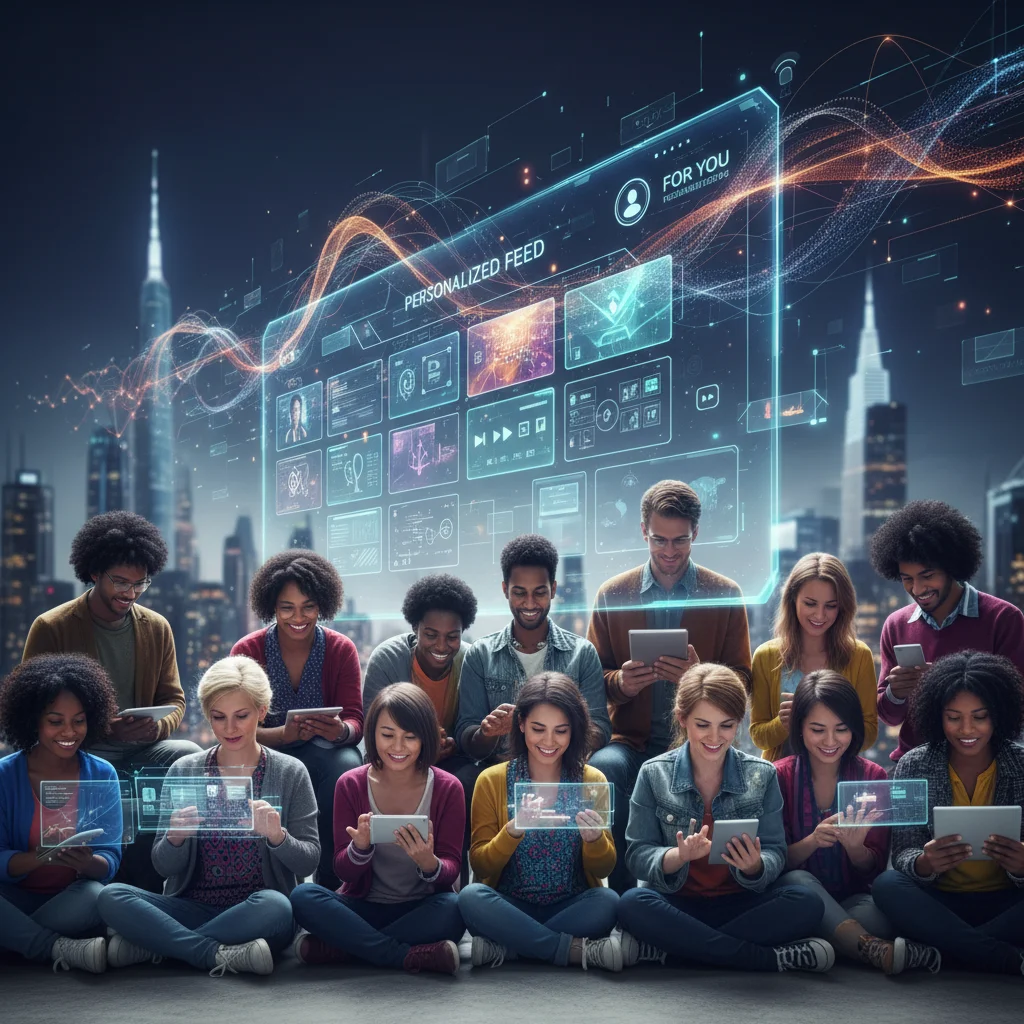
The digital landscape is in a perpetual state of evolution, and at its core, the quest for a more engaging and relevant user experience remains paramount. In this dynamic environment, AI personalization platforms have emerged as the vanguard, transforming how users interact with digital products and services. By 2026, the influence of artificial intelligence in tailoring individual experiences will not just be significant; it will be foundational. This article delves into how two prominent US platforms are at the forefront of this revolution, leveraging AI to redefine user experience and set new industry benchmarks.
Anúncios
The concept of personalization is not new, but the depth and scale at which AI enables it are unprecedented. Gone are the days of generic recommendations; today’s users expect content, products, and services that feel uniquely curated for them. This expectation is driving platforms to invest heavily in sophisticated AI algorithms that can understand, predict, and adapt to individual preferences in real-time. The result is a digital ecosystem that is not only more efficient but also profoundly more intuitive and satisfying.
Anúncios
The Dawn of Hyper-Personalization: What AI Brings to the Table
Hyper-personalization, powered by advanced machine learning and deep learning techniques, goes beyond simple segmentation. It creates a ‘segment of one,’ where every user receives a unique digital journey. This is achieved through the continuous analysis of vast datasets, including browsing history, purchase patterns, demographic information, geographic location, and even emotional responses inferred from interactions. The goal is to anticipate user needs before they are explicitly stated, offering solutions and content that resonate deeply with their individual context.
For AI personalization platforms, this means moving from reactive adjustments to proactive predictions. Imagine a streaming service that knows exactly what you want to watch next, not just based on what you’ve seen, but on your mood, the time of day, and even external events. Or an e-commerce site that presents products you didn’t even know you needed, perfectly matching your lifestyle and aspirations. This is the promise of AI-driven personalization, and it’s rapidly becoming a reality.
Key Technologies Fueling AI Personalization
- Machine Learning (ML): At the heart of most AI personalization lies ML, which enables systems to learn from data without explicit programming. Algorithms like collaborative filtering, content-based filtering, and hybrid recommendation systems continuously refine their understanding of user preferences.
- Deep Learning (DL): A subset of ML, deep learning, particularly neural networks, excels at pattern recognition in complex, unstructured data such as images, natural language, and audio. This allows for more nuanced understanding of user intent and sentiment.
- Natural Language Processing (NLP): NLP allows AI to understand and process human language, enabling more sophisticated search functionalities, chatbots, and content summarization that contribute to a personalized experience.
- Predictive Analytics: By analyzing historical data, AI can forecast future user behaviors, helping platforms to proactively offer relevant content or services.
- Real-time Data Processing: The ability to process and act on data instantaneously is crucial for dynamic personalization, ensuring that recommendations are always fresh and relevant.
Platform 1: Redefining Content Consumption with Adaptive AI
One of the trailblazing US platforms in AI personalization platforms is a leading streaming service, let’s call it ‘StreamFlow.’ StreamFlow has revolutionized how millions consume entertainment by moving beyond basic genre recommendations. Their AI engine is a masterclass in understanding the nuances of user preferences.
StreamFlow’s personalization strategy begins the moment a user signs up. Instead of just asking for favorite genres, their onboarding process subtly gathers data through interactive quizzes and initial viewing choices. But the real magic happens continuously. Every pause, rewind, fast-forward, rewatch, and even the time of day a show is watched, feeds into their sophisticated AI algorithms. These algorithms don’t just recommend similar shows; they learn about a user’s emotional responses, their preferred pacing, the types of narratives they engage with most deeply, and even their tolerance for different levels of complexity.
For instance, if a user consistently watches intellectually stimulating documentaries late at night but prefers lighthearted comedies during family viewing hours, StreamFlow’s AI adapts. It understands the context of consumption. Furthermore, their AI analyzes implicit feedback, such as how quickly a user abandons a show, to refine its models. This continuous feedback loop ensures that the recommendations are not just accurate but also evolve with the user’s changing tastes and life circumstances.
By 2026, StreamFlow aims to introduce ‘mood-based personalization,’ where wearable tech and smart home devices could potentially provide real-time emotional and environmental data to further fine-tune content suggestions. Imagine an AI that suggests a comforting drama after a stressful day, or an energizing action film when you’re looking for an adrenaline boost. This level of predictive empathy is what sets StreamFlow apart and solidifies its position as a leader in AI-driven user experience.
Platform 2: Revolutionizing E-commerce with Predictive Personalization
Another exemplary US platform, a prominent online retailer we’ll refer to as ‘ShopSmart,’ is transforming the e-commerce landscape through its innovative use of AI personalization platforms. ShopSmart’s approach goes far beyond recommending ‘customers who bought this also bought that.’ Their AI creates a truly bespoke shopping journey for every individual.
ShopSmart’s personalization engine meticulously analyzes every facet of a user’s interaction: click-through rates, time spent on product pages, items added to carts (and removed), search queries, past purchases, and even product reviews they’ve read or written. This data is then cross-referenced with external factors like seasonal trends, local weather patterns, and even social media sentiment to build incredibly rich user profiles.
Consider a scenario where a user frequently browses gardening tools but hasn’t purchased any yet. ShopSmart’s AI might infer that the user is a budding gardener. Instead of just showing more tools, it might start recommending complementary products like gardening gloves, specific plant seeds, or even online gardening courses. If the user then purchases a particular type of plant, the AI remembers this and begins to suggest fertilizers, pots, or pest control solutions relevant to that plant type.
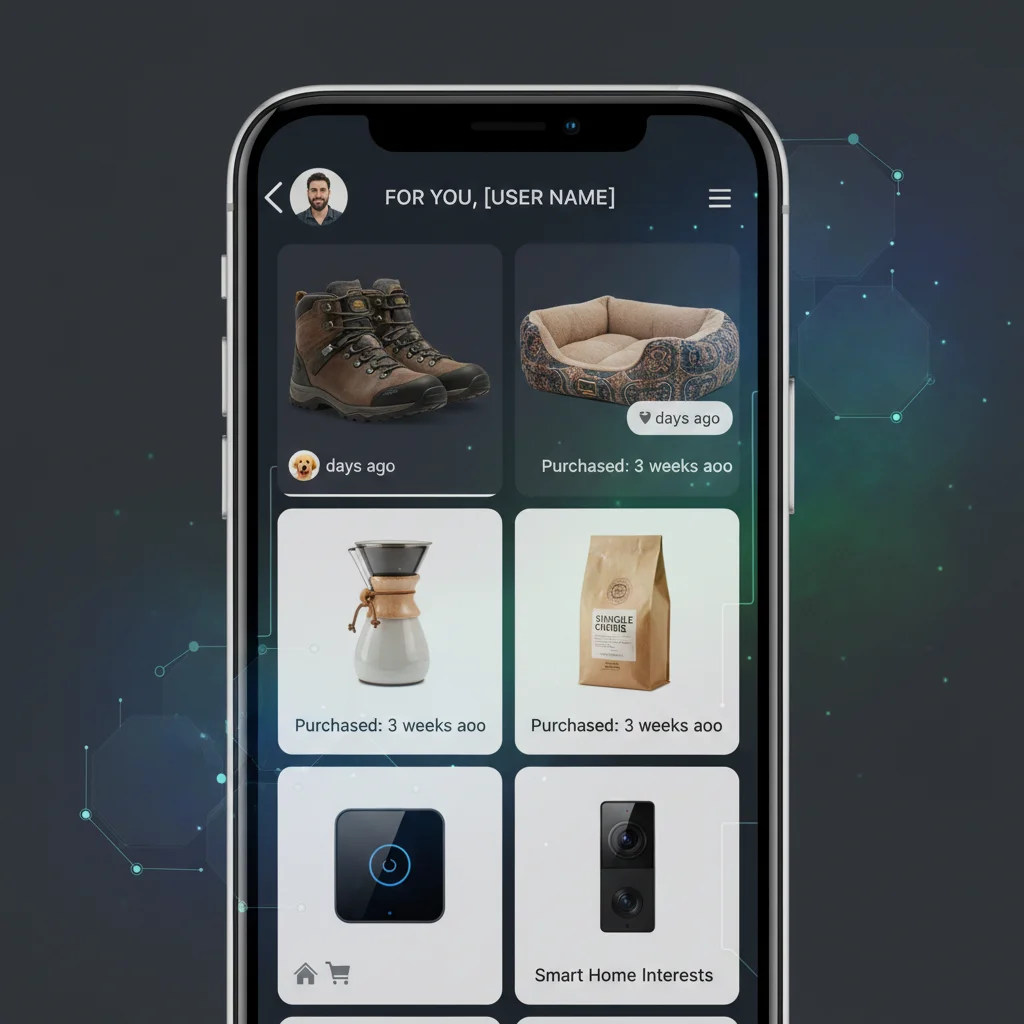
ShopSmart’s AI also excels in dynamic pricing and promotions. Based on individual browsing behavior and price sensitivity, the platform can offer personalized discounts or bundle deals that are more likely to convert. This not only enhances the user experience by offering perceived value but also significantly boosts conversion rates for ShopSmart.
By 2026, ShopSmart plans to integrate augmented reality (AR) with their AI personalization. Imagine trying on clothes virtually or seeing how furniture would look in your home, with AI dynamically adjusting recommendations based on your body type or room dimensions. This fusion of AI and AR promises an even more immersive and personalized shopping experience, minimizing returns and maximizing customer satisfaction.
The Ethical Dimension: Balancing Personalization with Privacy
As AI personalization platforms become more sophisticated, the ethical considerations surrounding data privacy and transparency become increasingly critical. Users are becoming more aware of the data they generate and are demanding greater control over how it’s used. Both StreamFlow and ShopSmart, like all responsible platforms, are navigating this complex terrain with robust privacy policies and transparent data practices.
The key is to build trust. This involves clearly communicating what data is collected, why it’s collected, and how it benefits the user. Opt-in mechanisms, easy-to-understand privacy settings, and anonymization techniques are crucial for maintaining user confidence. Furthermore, platforms are exploring federated learning, a machine learning approach that trains algorithms on decentralized datasets without directly exchanging data, offering a promising path for enhanced privacy.
The future of AI personalization isn’t just about technological prowess; it’s about ethical innovation. Platforms that can strike the right balance between delivering hyper-relevant experiences and respecting user privacy will be the ones that truly thrive and build lasting relationships with their audience.
The Impact on Business Metrics: Why Personalization Matters
Beyond enhancing user satisfaction, the deployment of advanced AI personalization platforms has a profound impact on key business metrics. The benefits are multi-faceted and directly contribute to a platform’s success and profitability.
- Increased Engagement: When content and products are highly relevant, users spend more time on the platform, explore more features, and interact more frequently. This leads to higher retention rates and a more loyal customer base.
- Higher Conversion Rates: Personalized recommendations lead to more informed and confident purchasing decisions. Users are more likely to buy when they are presented with products that genuinely match their needs and preferences.
- Enhanced Customer Loyalty: A consistently personalized and positive experience fosters a sense of being understood and valued. This builds strong emotional connections with the brand, making users less likely to switch to competitors.
- Improved Customer Lifetime Value (CLTV): Loyal customers who engage more and convert frequently naturally contribute more revenue over their lifetime with the platform.
- Reduced Churn: By proactively addressing user needs and preventing dissatisfaction, AI personalization can significantly lower customer churn rates.
- Optimized Marketing Spend: With a deeper understanding of individual preferences, platforms can create more targeted and effective marketing campaigns, reducing wasted ad spend and increasing ROI.
- Faster Product Discovery: AI helps users discover new content or products they might love but wouldn’t have found through traditional browsing, expanding their engagement horizons.
For platforms like StreamFlow and ShopSmart, these benefits translate directly into market leadership and sustained growth. The investment in sophisticated AI is not merely a technological upgrade; it’s a strategic imperative for competitive advantage.
Challenges and Future Directions for AI Personalization
While the promise of AI personalization platforms is immense, there are challenges to overcome. The ‘cold start’ problem, where new users have little data for personalization, requires innovative solutions like hybrid recommendation systems or leveraging demographic data. Data bias is another significant concern; if training data reflects existing biases, the AI might perpetuate or even amplify them, leading to unfair or irrelevant recommendations for certain user groups. Ensuring data diversity and implementing fairness metrics are crucial.

Looking towards 2026 and beyond, the future of AI personalization is likely to be characterized by:
- Increased Interoperability: Personalization might extend across different platforms and devices, creating a more seamless and consistent user experience across the digital ecosystem.
- Emotion AI Integration: Advanced AI capable of detecting and responding to user emotions in real-time could lead to even more empathetic and contextually aware personalization.
- Explainable AI (XAI): As AI models become more complex, the demand for transparency will grow. XAI will allow platforms to explain why certain recommendations were made, building greater trust and understanding with users.
- Proactive and Anticipatory AI: Moving beyond reactive recommendations, AI will increasingly anticipate needs and offer solutions even before users are aware of them, seamlessly integrating into daily routines.
- Ethical AI Frameworks: The development of robust ethical guidelines and regulatory frameworks will be crucial to ensure that AI personalization is used responsibly and respects individual rights.
The continuous refinement of algorithms, coupled with advancements in data processing and user interface design, will push the boundaries of what’s possible in personalized digital experiences.
Conclusion: The Personalized Future is Here
The journey of digital transformation is accelerating, and at its heart lies the power of AI personalization platforms. By 2026, the efforts of trailblazing US platforms like StreamFlow and ShopSmart will have firmly established a new paradigm for user experience. They are not just delivering content or products; they are crafting individual narratives, anticipating desires, and fostering deeper connections with their users.
This shift from generic to granular is not merely a technological marvel; it’s a fundamental change in how businesses interact with their customers. Those who embrace AI-powered personalization will not only meet but exceed user expectations, driving unprecedented levels of engagement, loyalty, and growth. The personalized future is not a distant vision; it is being built today, one tailored experience at a time, by platforms committed to understanding and serving the unique individual.
As we move further into this era, the bar for digital experiences will continue to rise, making AI personalization an indispensable tool for any platform aiming to thrive in the competitive digital landscape. The platforms that master this art will be the ones that truly redefine what it means to connect with users in the digital age.