Next-Gen EV Batteries: 100 Miles More by 2027
Anúncios
The electric vehicle (EV) revolution is accelerating at an unprecedented pace, driven by a global commitment to sustainability and a desire for more efficient transportation. At the heart of this transformation lies the battery – the powerhouse that determines an EV’s range, performance, and overall utility. For years, range anxiety has been a significant hurdle for widespread EV adoption. However, a new era of EV Battery Innovation is upon us, promising to fundamentally change how we perceive electric travel.
Anúncios
Imagine a future where your electric vehicle can effortlessly cover an extra 100 miles on a single charge, making long-distance journeys as convenient as a trip to the grocery store. This isn’t a distant dream but a tangible reality projected to materialize for U.S. electric vehicles by 2027. This ambitious goal is being propelled by breakthroughs in materials science, manufacturing processes, and energy storage architectures.
This comprehensive article will delve into the exciting world of next-generation EV batteries, exploring the technologies poised to deliver this significant range extension. We’ll examine the scientific principles behind these advancements, the companies leading the charge, and the potential impact on the automotive industry and consumer experience. Get ready to discover how EV Battery Innovation is not just adding miles but redefining the future of mobility.
Anúncios
The Current State of EV Batteries: A Foundation for Growth
Before we project into the future, it’s crucial to understand the present landscape of EV battery technology. Today’s electric vehicles predominantly rely on lithium-ion (Li-ion) batteries. These batteries have been instrumental in making EVs commercially viable, offering a good balance of energy density, power output, and cycle life. However, they also come with limitations, including concerns about raw material sourcing (lithium, cobalt, nickel), charging times, degradation over time, and, critically, their energy density, which directly impacts vehicle range.
Over the past decade, significant strides have been made in optimizing Li-ion technology. Manufacturers have improved cell chemistry, battery management systems (BMS), and thermal management to squeeze more range and extend battery life. Despite these advancements, the incremental gains are starting to plateau, necessitating a paradigm shift in battery design to achieve the ambitious 100-mile range increase by 2027. This is where next-gen EV Battery Innovation truly comes into play, pushing the boundaries beyond conventional Li-ion capabilities.
The average range of new EVs sold in the U.S. has steadily climbed, with many models now offering over 250 miles on a single charge. However, consumer demand, particularly in a vast country like the U.S., often calls for even greater range to alleviate range anxiety and make EVs a more compelling alternative to gasoline-powered cars for all types of journeys. Achieving an additional 100 miles means pushing many mainstream EVs well into the 350-400+ mile range, a psychological threshold that could unlock mass adoption.
The Quest for 100 More Miles: Key Technologies Driving EV Battery Innovation
Achieving a 100-mile range increase within the next few years requires a multi-faceted approach, leveraging several promising battery technologies and improvements. Here are the frontrunners:
1. Solid-State Batteries: The Holy Grail of Energy Storage
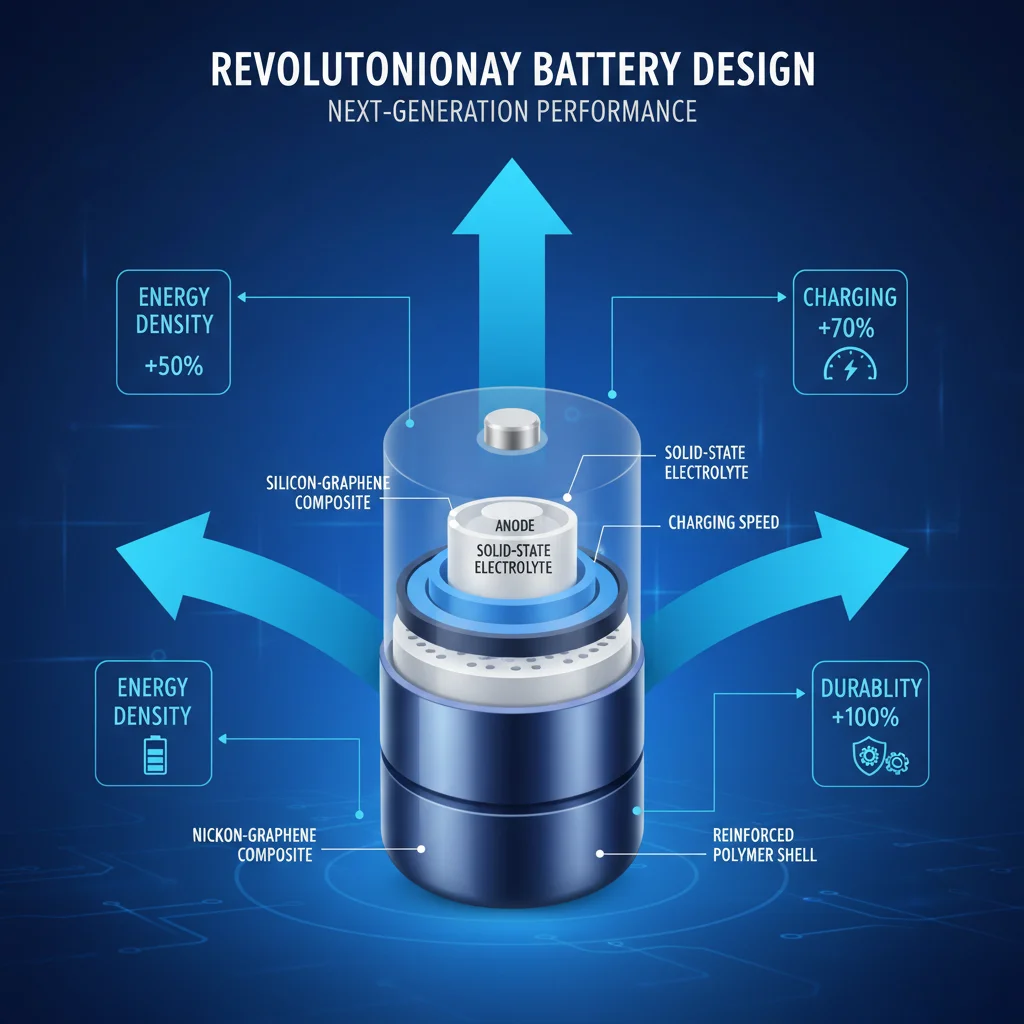
Perhaps the most anticipated breakthrough in EV Battery Innovation is the solid-state battery. Unlike traditional Li-ion batteries that use a liquid or gel electrolyte, solid-state batteries employ a solid electrolyte. This fundamental change offers several compelling advantages:
- Higher Energy Density: Solid electrolytes allow for the use of lithium metal anodes, which have a significantly higher energy density than the graphite anodes used in current Li-ion batteries. This translates directly to more range for the same battery volume or weight.
- Improved Safety: The absence of flammable liquid electrolytes drastically reduces the risk of thermal runaway and fires, a critical safety concern for current EV batteries.
- Faster Charging: Some solid-state designs promise ultra-fast charging capabilities, potentially charging an EV to 80% in a fraction of the time it takes today.
- Longer Lifespan: Solid-state batteries are expected to have a longer cycle life due to reduced degradation mechanisms compared to liquid electrolytes.
Companies like QuantumScape, Solid Power, and Toyota are investing heavily in solid-state technology, with prototypes already demonstrating impressive performance. While mass production still faces challenges related to manufacturing scalability and cost, significant progress is being made, and analysts predict their commercialization in high-end EVs by the mid-2020s, perfectly aligning with the 2027 target for a 100-mile boost.

2. Silicon Anodes: Bridging the Gap
While solid-state batteries are revolutionary, silicon anodes represent a more incremental but equally impactful step in EV Battery Innovation. Silicon has a theoretical energy capacity ten times greater than graphite. Incorporating silicon into the anode can significantly boost the energy density of existing Li-ion chemistries without a complete overhaul of manufacturing processes.
However, silicon’s tendency to expand and contract dramatically during charging and discharging (up to 300%) has been a major hurdle, leading to cell degradation. Recent breakthroughs in nano-structuring silicon, developing silicon-carbon composites, and advanced binder materials are overcoming these challenges. Companies like Sila Nanotechnologies and StoreDot are at the forefront, developing silicon-anode batteries that offer a substantial increase in energy density and faster charging speeds. These batteries are already starting to appear in some consumer electronics and are expected to make their way into EVs in a more widespread manner before 2027, contributing significantly to the 100-mile target.
3. Advanced Cathode Materials: Nickel-Rich and Cobalt-Free
The cathode material also plays a critical role in battery performance. Current Li-ion batteries often use NMC (nickel-manganese-cobalt) or NCA (nickel-cobalt-aluminum) cathodes. The trend in EV Battery Innovation is towards nickel-rich cathodes (e.g., NCM 811, 9½½), which offer higher energy density due to nickel’s ability to store more energy. Simultaneously, there’s a strong push to reduce or eliminate cobalt, a costly and ethically problematic material, through the development of cobalt-free chemistries like lithium iron phosphate (LFP) with enhanced performance or entirely new material combinations.
While LFP batteries are known for their safety and longevity, their energy density has historically been lower than NMC/NCA. However, advancements in LFP chemistry, such as cell-to-pack technology and improved material compositions, are closing this gap, making them a viable option for longer-range vehicles, especially when combined with other innovations. The continuous refinement of cathode materials is a constant source of incremental gains that collectively contribute to the overall increase in battery performance and range.
4. Battery Pack Design and Integration: More Than Just Cells
It’s not just about the individual battery cells; the way they are packaged and managed within the vehicle also profoundly impacts performance and range. EV Battery Innovation extends to:
- Cell-to-Pack (CTP) / Cell-to-Chassis (CTC) Technology: Instead of assembling cells into modules and then modules into packs, CTP and CTC integrate cells directly into the battery pack or even the vehicle’s chassis. This eliminates redundant packaging, increasing volumetric energy density (more cells in the same space) and reducing weight, both of which directly translate to more range.
- Advanced Thermal Management Systems: Efficient cooling and heating of the battery pack are crucial for optimal performance, fast charging, and longevity. Innovations in liquid cooling, phase-change materials, and even direct immersion cooling are enhancing thermal stability, allowing batteries to operate at their peak more consistently.
- Smarter Battery Management Systems (BMS): Sophisticated algorithms and AI-powered BMS can precisely monitor and control each cell, optimizing charging and discharging cycles, predicting degradation, and extending the overall useful life and performance of the battery.
These systemic improvements in battery pack design and integration are just as vital as chemical breakthroughs in achieving the 100-mile range increase. They ensure that the higher energy density of new cell chemistries is effectively harnessed and utilized by the vehicle.
The Road to 2027: Milestones and Challenges
The journey to adding 100 miles of range to U.S. EVs by 2027 is ambitious but attainable, provided several key milestones are met and challenges overcome.
Manufacturing Scalability and Cost Reduction
One of the biggest hurdles for any new battery technology, especially solid-state, is scaling up production to meet the massive demand of the automotive industry while simultaneously driving down costs. New manufacturing techniques, automation, and supply chain optimization will be critical. The industry is actively investing in gigafactories and advanced production lines to prepare for the influx of next-gen batteries.
The cost of batteries per kilowatt-hour (kWh) has been steadily declining for years, making EVs more affordable. For new technologies, the initial cost can be high, but continuous R&D and manufacturing efficiencies are expected to bring them down rapidly, ensuring that the 100-mile range increase doesn’t come with an prohibitive price tag for consumers.
Supply Chain and Raw Materials
The increased demand for batteries, especially those using new chemistries, will put pressure on the supply chains for critical raw materials. Ensuring a stable, ethical, and sustainable supply of lithium, nickel, silicon, and other components is paramount. This involves investing in new mining operations, developing advanced recycling techniques to recover valuable materials, and exploring alternative material compositions to reduce reliance on scarce resources. The focus on localizing supply chains, particularly in the U.S., is also a significant factor in securing future battery production.
Infrastructure Development
While longer range reduces range anxiety, a robust charging infrastructure remains essential. Faster charging capabilities of next-gen batteries will necessitate more powerful charging stations. The expansion of DC fast charging networks across the U.S. will need to keep pace with battery advancements to fully leverage the benefits of extended range and quicker top-ups. This includes both public charging stations and home charging solutions.
Impact on the U.S. Electric Vehicle Market and Consumers
The addition of 100 miles to EV range by 2027 will have profound implications for the U.S. automotive market and consumers alike.
Accelerated EV Adoption
Range anxiety is a primary concern for many potential EV buyers. Pushing typical EV ranges to 350-400+ miles will significantly alleviate this worry, making electric vehicles a more practical and attractive option for a much broader segment of the population, including those who frequently travel long distances or live in areas with less developed charging infrastructure. This boost in range can be the tipping point for mass adoption.
Increased Competition and Innovation
As battery technology improves, competition among automakers will intensify, leading to further innovation in vehicle design, performance, and features. This healthy competition will ultimately benefit consumers through more diverse and capable EV offerings at competitive prices. Every manufacturer will be striving to integrate the latest EV Battery Innovation to gain a market edge.
Enhanced Practicality and Versatility
With an extra 100 miles, EVs will become even more versatile. Road trips will require fewer charging stops, urban driving will demand less frequent charging, and the overall convenience factor will skyrocket. This makes EVs suitable for a wider range of lifestyles and usage patterns, from daily commutes to cross-country adventures.
Environmental Benefits
Greater EV adoption directly translates to significant environmental benefits, including reduced greenhouse gas emissions, improved air quality in urban areas, and decreased reliance on fossil fuels. The push for sustainable battery materials and recycling also contributes to a more circular economy, minimizing the environmental footprint of battery production.
Economic Impact
The growth of the EV battery industry in the U.S. will create numerous jobs in research and development, manufacturing, and related sectors. Investments in domestic battery production and supply chains will bolster economic security and foster technological leadership. This surge in EV Battery Innovation will be a major economic driver.
Beyond 2027: What’s Next for EV Battery Innovation?
The journey doesn’t stop at an extra 100 miles by 2027. The pace of EV Battery Innovation is relentless, with researchers and engineers already looking years beyond this milestone. Future developments might include:
- Lithium-Sulfur Batteries: These batteries have theoretical energy densities significantly higher than Li-ion, offering the potential for even greater range and lighter battery packs.
- Lithium-Air Batteries: Also known as ‘breathing’ batteries, these could offer energy densities comparable to gasoline, though they face substantial technological hurdles.
- Flow Batteries: While currently more suited for stationary energy storage, advancements could make them viable for EVs, offering rapid ‘recharging’ by simply replacing the electrolyte.
- Advanced AI and Machine Learning: Further integration of AI in battery management systems will optimize performance, predict degradation, and extend battery life to unprecedented levels.
- Sustainable and Recyclable Batteries: A stronger focus on designing batteries for easy disassembly and material recovery will become standard, creating a truly closed-loop system.
These long-term visions underscore the dynamic nature of battery research. The breakthroughs we anticipate by 2027 are just stepping stones to an even more electrified and sustainable future.
Conclusion: The Electrifying Promise of Extended Range
The prospect of U.S. electric vehicles gaining an additional 100 miles of range by 2027 is a testament to the incredible progress in EV Battery Innovation. From the revolutionary solid-state batteries to enhanced silicon anodes and advanced cathode materials, a confluence of technological advancements is converging to make this ambitious goal a reality. These developments, coupled with smarter battery packaging and management, are set to transform the EV landscape, making electric vehicles more practical, desirable, and accessible than ever before.
This isn’t merely about adding miles; it’s about eliminating range anxiety, fostering greater environmental sustainability, and driving economic growth through technological leadership. As we approach 2027, consumers can look forward to a new generation of EVs that offer unparalleled freedom and convenience, truly cementing electric vehicles as the future of transportation. The era of extended-range electric mobility is not just coming; it’s already here, on the horizon, powered by relentless EV Battery Innovation.