U.S. Semiconductor Manufacturing: 2026 Recovery & Key Strategies
Anúncios
U.S. Semiconductor Manufacturing: A 2026 Recovery Outlook and Key Strategies for a Resilient Future
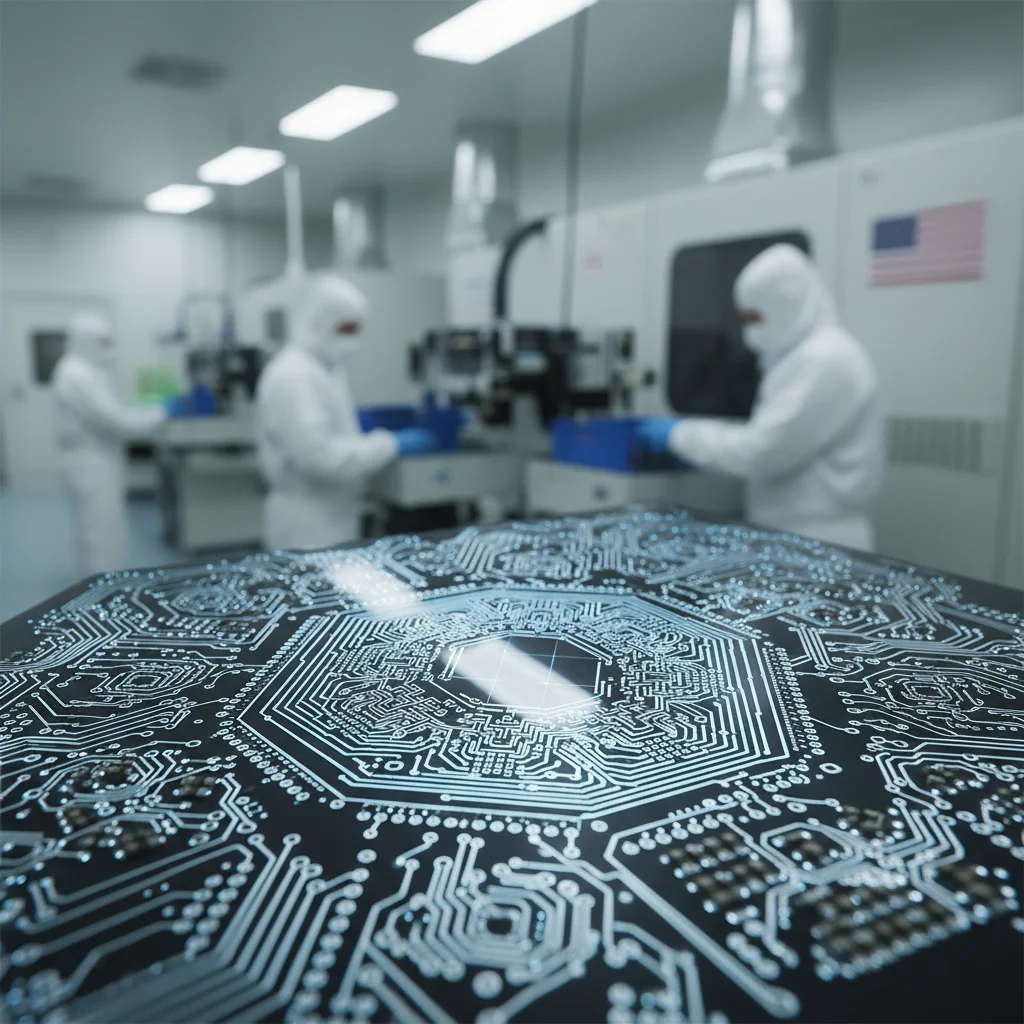
The global economy has been grappling with the repercussions of the microchip shortage for several years, a crisis that laid bare the vulnerabilities within the intricate supply chains of the semiconductor industry. As we navigate the complexities of technological advancement and geopolitical shifts, the spotlight has firmly turned to the United States and its ambitious efforts to revitalize its domestic US semiconductor recovery capabilities. The outlook for a significant rebound in U.S. semiconductor manufacturing by 2026 is increasingly optimistic, driven by a confluence of strategic investments, robust policy support, and a renewed emphasis on national security and economic independence. This comprehensive article delves into the factors shaping this recovery, examining the challenges overcome, the progress made, and the pivotal strategies that will underpin a resilient and prosperous future for U.S. chip production.
Anúncios
The semiconductor industry, often referred to as the “brains” of modern technology, is fundamental to virtually every sector, from consumer electronics and automotive to defense and artificial intelligence. The disruptions caused by the COVID-19 pandemic, coupled with increasing demand and geopolitical tensions, exposed a critical over-reliance on a few key manufacturing hubs, predominantly in Asia. This realization spurred a global race to onshore semiconductor production, with the U.S. leading the charge to re-establish its prominence in this vital sector. The target year of 2026 represents a crucial benchmark, a period by which many industry experts and government officials anticipate substantial progress in bringing advanced chip manufacturing back to American soil.
The Genesis of the Shortage and the Call for US Semiconductor Recovery
To fully appreciate the scope of the current efforts, it’s important to understand the origins of the microchip shortage. For decades, the U.S. gradually ceded its lead in semiconductor manufacturing to East Asian countries, primarily Taiwan and South Korea. This shift was driven by a combination of factors: lower labor costs, government incentives, and the establishment of highly specialized foundries that became indispensable to the global supply chain. While U.S. companies continued to innovate in chip design, the actual fabrication of these sophisticated components increasingly moved offshore.
Anúncios
The pandemic acted as a catalyst, exposing the fragility of this globalized model. Factory shutdowns, logistical bottlenecks, and a surge in demand for electronics as remote work and learning became widespread, created a perfect storm. Industries from automotive to consumer electronics faced unprecedented production halts, resulting in billions of dollars in lost revenue and highlighting the strategic imperative for greater domestic control over semiconductor supply. This crisis underscored the urgent need for a robust US semiconductor recovery plan.
The call for bringing manufacturing back wasn’t just economic; it was also a matter of national security. The reliance on foreign sources for critical components raised concerns about potential vulnerabilities in times of geopolitical instability. This dual imperative – economic resilience and national security – galvanized policymakers and industry leaders to act decisively.
The CHIPS and Science Act: A Game Changer for US Semiconductor Recovery
A cornerstone of the U.S. strategy to bolster its semiconductor manufacturing capabilities is the CHIPS and Science Act of 2022. This landmark legislation allocates approximately $52.7 billion in subsidies for semiconductor manufacturing, research and development, and workforce development. The Act aims to incentivize companies to build and expand chip fabrication plants (fabs) within the United States, thereby reducing reliance on foreign supply chains and fostering innovation domestically.
Key Provisions and Their Impact:
- Manufacturing Incentives: A significant portion of the funding is dedicated to direct financial assistance in the form of grants, loans, and loan guarantees for constructing, expanding, or modernizing semiconductor manufacturing facilities. These incentives are crucial for offsetting the higher costs associated with building and operating fabs in the U.S. compared to Asia.
- Research and Development: The Act also allocates substantial funds towards semiconductor research and development, particularly through the National Semiconductor Technology Center (NSTC). This initiative aims to foster collaboration between industry, academia, and government to drive cutting-edge innovation in chip design and manufacturing processes, ensuring the U.S. remains at the forefront of technological advancement.
- Workforce Development: Recognizing that a skilled workforce is paramount to the success of any manufacturing endeavor, the CHIPS Act includes provisions for workforce training and education programs. These initiatives are designed to cultivate a pipeline of engineers, technicians, and researchers necessary to staff the new and expanded fabs.
The impact of the CHIPS Act is already evident, with major semiconductor companies like Intel, TSMC, and Samsung announcing multi-billion dollar investments in new U.S. facilities. These projects, often spanning several years, are critical to realizing the vision of a robust US semiconductor recovery by 2026 and beyond. The construction of these fabs brings not only manufacturing capacity but also creates thousands of high-paying jobs and stimulates local economies.
Strategic Investments and Industry Commitments
Beyond government incentives, significant private sector investments are propelling the US semiconductor recovery. Companies are committing massive capital to establish and expand their footprints in the U.S., driven by a combination of government support, market demand, and a strategic imperative to diversify their supply chains.
- Intel’s Ohio “Mega-Fab”: Intel’s planned $20 billion (potentially up to $100 billion over a decade) investment in two new chip factories in Ohio is a prime example of this commitment. This project is expected to create thousands of construction and high-tech jobs, establishing a new semiconductor manufacturing hub in the Midwest.
- TSMC’s Arizona Expansion: Taiwan Semiconductor Manufacturing Company (TSMC), the world’s largest contract chipmaker, has significantly expanded its plans for Arizona, now committing to a third fab and increasing its total investment to over $65 billion. This move is crucial for bringing advanced process technology to U.S. shores.
- Samsung’s Texas Investment: Samsung is investing $17 billion in a new semiconductor manufacturing facility in Taylor, Texas, focusing on advanced logic chips. This facility will be a critical addition to the U.S. manufacturing ecosystem.
These investments are not just about building facilities; they are about establishing entire ecosystems that include suppliers, research institutions, and a skilled workforce. The sheer scale of these projects underscores the seriousness with which both the government and private industry are approaching the goal of a comprehensive US semiconductor recovery.
Key Strategies for Sustained US Semiconductor Recovery by 2026
Achieving a sustainable US semiconductor recovery by 2026 and maintaining that momentum requires more than just financial incentives. It necessitates a multi-faceted approach encompassing technological leadership, supply chain resilience, and a robust talent pipeline. Here are two key strategies:
1. Fostering Innovation and Technological Leadership
While increased manufacturing capacity is vital, the U.S. must also reclaim its leadership in cutting-edge semiconductor technology. This involves significant investment in R&D, fostering collaboration between industry and academia, and accelerating the development of next-generation materials and processes.
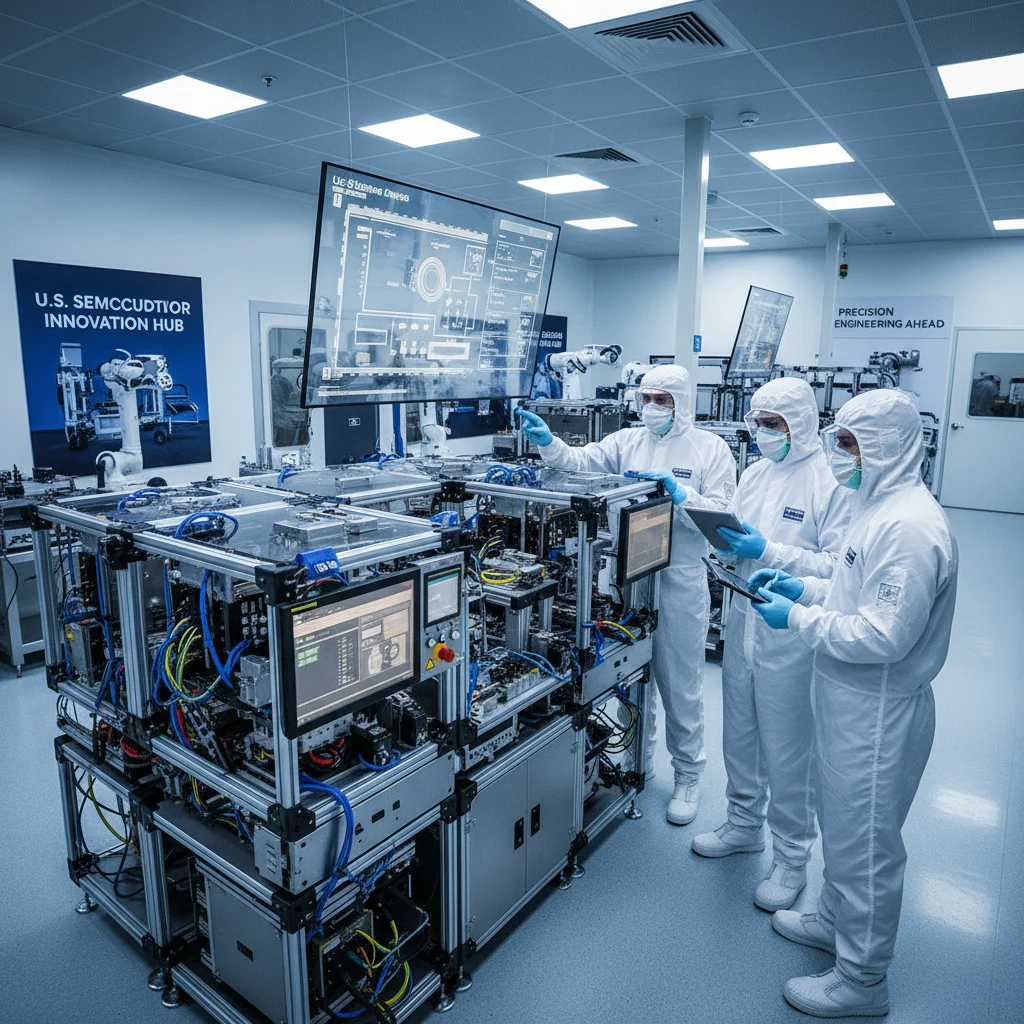
- Advanced Packaging: Beyond traditional chip fabrication, advanced packaging technologies are becoming increasingly critical for performance and efficiency. The U.S. needs to invest heavily in developing and commercializing these technologies to ensure its chips are competitive on a global scale.
- Materials Science and Equipment: The semiconductor manufacturing process relies on highly specialized materials and equipment. Strengthening domestic capabilities in these areas reduces reliance on foreign suppliers and enhances the resilience of the entire ecosystem. This includes developing novel materials that can push the boundaries of chip performance and miniaturization.
- Quantum Computing and AI Chips: The future of computing lies in emerging technologies like quantum computing and specialized AI chips. The U.S. must prioritize research and manufacturing capabilities in these areas to maintain a strategic advantage and drive future economic growth. Investing in these frontier technologies ensures that the US semiconductor recovery is not just about catching up, but about leading the next wave of innovation.
- Public-Private Partnerships: Establishing and strengthening public-private partnerships, such as those facilitated by the NSTC, is crucial. These collaborations can pool resources, share expertise, and accelerate the development and commercialization of new technologies that might be too risky or expensive for a single entity to undertake. This collaborative model is essential for a dynamic and innovative US semiconductor recovery.
2. Building a Resilient and Diversified Supply Chain
The lessons learned from the microchip shortage underscore the importance of supply chain resilience. A truly robust US semiconductor recovery cannot rely solely on domestic production but must also incorporate strategies for diversification and redundancy across the entire supply chain.
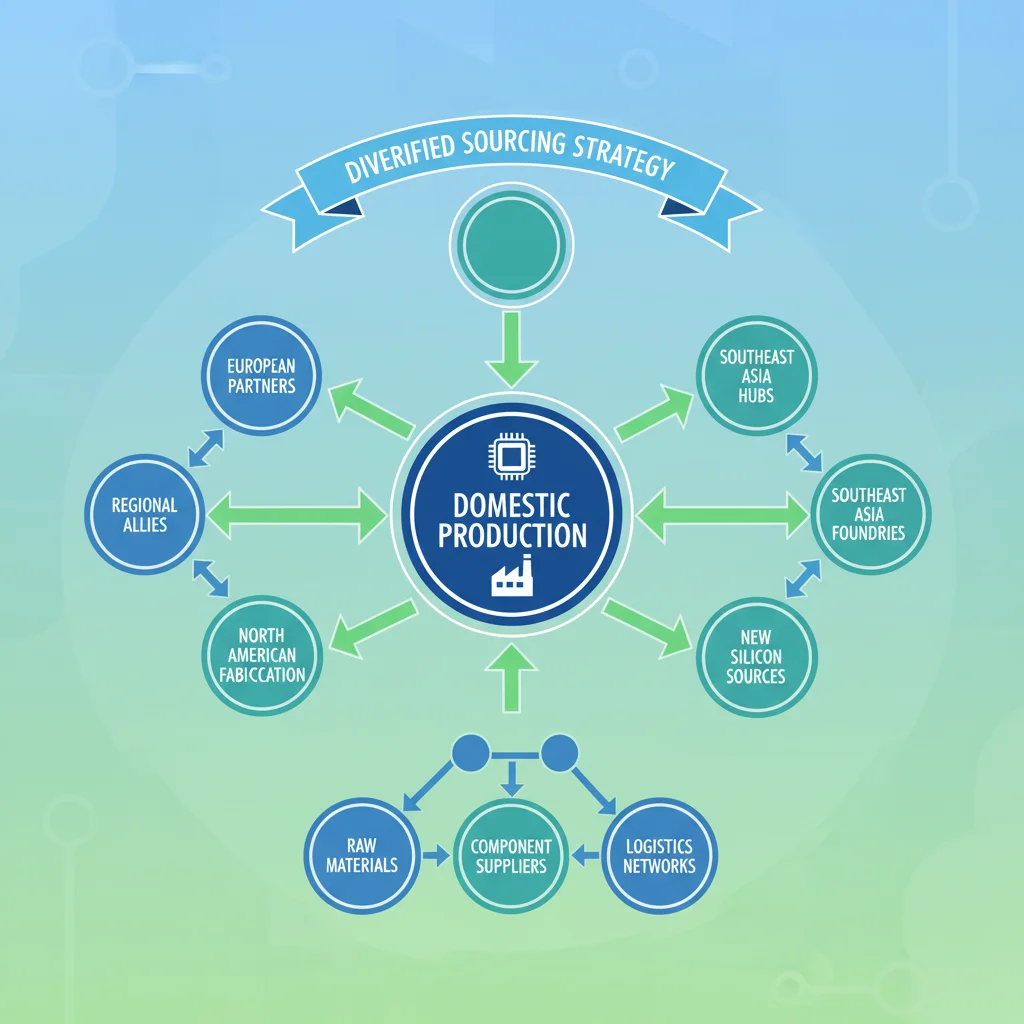
- "Friend-Shoring" and Strategic Alliances: While onshore manufacturing is a priority, it is impractical to produce every single component domestically. The U.S. should actively pursue "friend-shoring," collaborating with trusted allies who share democratic values and economic interests. This involves establishing strategic alliances and trade agreements that ensure access to critical components from reliable international partners, thereby diversifying risk.
- Inventory Management and Buffer Stock: Companies need to rethink their just-in-time inventory strategies, which, while cost-effective, proved brittle during the shortage. Building strategic buffer stocks of critical components can provide a cushion against future disruptions, ensuring continuity of production for essential industries.
- Transparency and Data Sharing: Enhancing transparency across the semiconductor supply chain through better data sharing mechanisms can help identify potential bottlenecks and vulnerabilities early. This proactive approach allows for quicker responses to emerging threats and more effective risk mitigation strategies.
- Investment in "Legacy" Chips: While much of the focus is on advanced chips, a significant portion of the shortage also involved older, “legacy” chips used in everything from automotive systems to medical devices. The US semiconductor recovery strategy must also address the production of these essential, albeit less glamorous, components to ensure a holistic approach to supply chain resilience.
- Cybersecurity and IP Protection: As the supply chain becomes more distributed and digitized, robust cybersecurity measures and intellectual property protection are paramount. Safeguarding sensitive designs and manufacturing processes from espionage and sabotage is critical for maintaining a competitive edge and ensuring the integrity of U.S. semiconductor production.
Challenges on the Path to US Semiconductor Recovery
While the outlook is positive, the path to a full US semiconductor recovery by 2026 is not without its challenges:
- High Costs: Building and operating fabs in the U.S. remains significantly more expensive than in Asia, primarily due to labor costs, regulatory burdens, and infrastructure development. Sustained government support will be necessary to bridge this cost gap.
- Talent Shortage: Despite workforce development initiatives, attracting and training enough skilled engineers, technicians, and scientists to staff the new fabs remains a significant hurdle. Competition for talent is fierce, and long-term educational investments are required.
- Regulatory Hurdles and Permitting: The lengthy and complex permitting processes for large industrial projects can delay construction and operational timelines. Streamlining these processes while maintaining environmental and safety standards is crucial.
- Global Competition: Other nations are also investing heavily in their domestic semiconductor industries. The U.S. must continue to innovate and execute effectively to maintain its competitive edge in a rapidly evolving global landscape.
- Technological Obsolescence: The semiconductor industry is characterized by rapid technological advancement. Investments made today must be “future-proofed” as much as possible to avoid obsolescence and ensure long-term viability. This requires continuous R&D and flexible manufacturing capabilities.
The Role of Education and Workforce Development
A critical component of a successful US semiconductor recovery is the development of a robust and skilled workforce. The sophisticated nature of semiconductor manufacturing demands highly specialized expertise, from materials scientists and electrical engineers to process technicians and equipment operators. The existing talent pool in the U.S. is insufficient to meet the demands of the planned new fabs, making workforce development a paramount concern.
To address this, several initiatives are underway:
- University Programs: Universities are expanding their engineering and materials science programs, often with industry partnerships, to create curricula specifically tailored to the semiconductor industry’s needs. This includes developing specialized courses, research opportunities, and internships.
- Community College Partnerships: Community colleges are playing a vital role in training technicians and operators for entry-level positions in fabs. These programs often combine classroom learning with hands-on experience, providing students with the practical skills required for immediate employment.
- Apprenticeships and On-the-Job Training: Companies are investing in apprenticeship programs and extensive on-the-job training to upskill existing workers and integrate new hires into the complex manufacturing environment. These programs are essential for transferring tacit knowledge and ensuring operational excellence.
- STEM Promotion: A broader effort to promote STEM education from an early age is crucial for building a long-term pipeline of talent. Engaging students in science, technology, engineering, and mathematics can inspire the next generation to pursue careers in the semiconductor industry.
Without a sustained and coordinated effort in workforce development, the ambitious goals for US semiconductor recovery by 2026 could be significantly hampered. Investing in people is as important as investing in infrastructure and technology.
Economic and Geopolitical Implications of a Strong US Semiconductor Recovery
A successful US semiconductor recovery holds profound economic and geopolitical implications. Economically, it promises to create hundreds of thousands of direct and indirect jobs, stimulate innovation across various sectors, and contribute significantly to the U.S. GDP. It will also reduce the country’s vulnerability to global supply chain shocks, providing greater stability for industries reliant on semiconductors.
Geopolitically, increased domestic semiconductor production enhances national security by ensuring a reliable supply of critical components for defense systems and other strategic technologies. It also strengthens the U.S.’s position in global technological competition, allowing it to exert greater influence over international standards and technological development. A robust domestic industry can also serve as a deterrent against potential adversaries who might seek to weaponize control over essential technologies.
Furthermore, a thriving U.S. semiconductor industry can foster greater collaboration with allies, creating a more resilient global network of production and innovation. This “chip alliance” approach can collectively address shared vulnerabilities and promote technological advancement while mitigating risks associated with over-concentration of manufacturing in any single region.
The 2026 Horizon: A Realistic Target?
Is 2026 a realistic target for a significant US semiconductor recovery? Industry experts generally agree that while full self-sufficiency is a long-term goal, substantial progress can indeed be achieved by then. The lead time for building and equipping a new fab is typically 3-5 years, meaning many of the projects initiated post-CHIPS Act will start coming online or reaching significant production capacity around 2026-2027.
The initial focus will likely be on increasing capacity for advanced logic chips, which are critical for high-performance computing, AI, and defense applications. However, addressing the broader spectrum of chip types, including mature nodes and specialty chips, will also be crucial for comprehensive resilience.
The success of the 2026 outlook hinges on several factors:
- Consistent Policy Support: Continued bipartisan support for the CHIPS Act and related initiatives is essential to provide long-term certainty for companies making massive capital investments.
- Effective Implementation: The efficient and transparent allocation of CHIPS Act funds, coupled with streamlined regulatory processes, will be key to accelerating project timelines.
- Global Market Dynamics: The broader global semiconductor market, including demand fluctuations and geopolitical stability, will also influence the pace and nature of the U.S. recovery.
While challenges remain, the concerted efforts from both government and industry suggest that by 2026, the U.S. will have significantly strengthened its position in global semiconductor manufacturing, moving closer to a more secure and innovative technological future.
Conclusion: Charting a Course for Enduring US Semiconductor Recovery
The journey towards a comprehensive US semiconductor recovery is a monumental undertaking, but one that is absolutely critical for the nation’s economic prosperity and national security. The microchip shortage served as a stark reminder of the perils of over-reliance on distant supply chains and the strategic importance of domestic manufacturing capabilities.
With the CHIPS and Science Act providing unprecedented financial backing and major industry players committing billions to new U.S. facilities, the momentum for a significant rebound by 2026 is palpable. However, sustained success will depend on a relentless focus on fostering innovation and technological leadership, building a truly resilient and diversified supply chain, and cultivating a world-class workforce. The strategies outlined – from advanced packaging and materials science to friend-shoring and robust workforce development – are not merely aspirations but actionable blueprints for a future where the U.S. once again stands at the forefront of semiconductor manufacturing. The investments being made today are not just in factories and equipment; they are investments in America’s technological sovereignty and its enduring competitive edge in the 21st century.