Combating Global Disinformation: U.S. Strategies for 2026
Anúncios
Combating Global Disinformation: U.S. Strategies to Counter Foreign Influence Campaigns and Protect Democratic Processes in 2026
In an increasingly interconnected yet polarized world, the threat of global disinformation and foreign influence campaigns continues to escalate, posing significant challenges to national security, public trust, and democratic processes. As we look towards 2026, the United States is refining and implementing advanced strategies to counter these insidious threats. The landscape of information warfare is constantly evolving, driven by technological advancements and geopolitical shifts. Understanding the multifaceted nature of these challenges and the proactive measures being taken is crucial for safeguarding the integrity of our societies.
Anúncios
The year 2026 marks a pivotal moment, as nations worldwide grapple with the pervasive impact of weaponized information. From manipulating public opinion to eroding faith in institutions, foreign adversaries employ sophisticated tactics to sow discord and undermine stability. This article delves into the comprehensive US Disinformation Strategies 2026, exploring how the U.S. government, in collaboration with international partners and the private sector, is developing resilient defenses and offensive capabilities to protect its interests and uphold democratic values.
Anúncios
The Evolving Threat Landscape: Why US Disinformation Strategies 2026 Are Critical
The nature of disinformation has transformed dramatically over the past decade. What once might have been crude propaganda has evolved into highly sophisticated, targeted influence operations that leverage advanced technology, including artificial intelligence (AI), deepfakes, and automated social media networks. These campaigns are designed to exploit societal divisions, spread false narratives, and erode public trust in legitimate news sources and government institutions. The goal is often to destabilize nations, interfere with elections, and advance geopolitical agendas without direct military confrontation.
The rise of generative AI, in particular, presents unprecedented challenges. AI-powered tools can create highly convincing synthetic media – audio, video, and text – at scale, making it increasingly difficult for the average person to discern truth from falsehood. Deepfake technology, for instance, can be used to fabricate speeches or events, creating highly damaging and misleading content that spreads rapidly across digital platforms. This technological leap necessitates a proactive and adaptive approach, making robust US Disinformation Strategies 2026 more critical than ever.
Foreign state actors, including Russia, China, and Iran, are consistently identified as primary sources of global disinformation. Their objectives vary, ranging from undermining Western alliances and democratic norms to promoting their own authoritarian models and economic interests. These actors often operate through a complex web of overt and covert channels, including state-controlled media, proxy organizations, troll farms, and seemingly independent online personas. The diffuse and often anonymous nature of these operations makes attribution and response incredibly challenging.
Furthermore, the rapid dissemination of information across global digital platforms means that a disinformation campaign originating in one part of the world can quickly impact public discourse and political processes in another. This interconnectedness underscores the need for international cooperation and shared strategies to counter a threat that transcends national borders. The U.S. recognizes that its own security and democratic resilience are inextricably linked to the global information environment, driving the imperative for comprehensive and collaborative US Disinformation Strategies 2026.
Pillars of US Disinformation Strategies 2026: A Multi-Layered Approach
The U.S. approach to combating disinformation in 2026 is built upon several interconnected pillars, combining defensive measures, offensive capabilities, and proactive engagement. This multi-layered strategy aims to disrupt adversary operations, strengthen societal resilience, and promote an information environment conducive to truth and open debate.
1. Enhanced Intelligence and Threat Attribution
A cornerstone of effective disinformation defense is robust intelligence gathering and precise threat attribution. U.S. intelligence agencies are investing heavily in advanced analytical tools, machine learning, and human intelligence to identify foreign influence operations early, understand their tactics, techniques, and procedures (TTPs), and attribute them to specific state or non-state actors. This includes:
- Predictive Analytics: Developing AI-driven models to forecast potential disinformation campaigns based on geopolitical events, historical patterns, and emerging narratives.
- Open-Source Intelligence (OSINT): Expanding capabilities to monitor and analyze publicly available information across social media, forums, and state-controlled media outlets to detect nascent campaigns.
- Cross-Agency Collaboration: Fostering seamless information sharing between intelligence agencies, law enforcement, and diplomatic missions to create a holistic view of the threat landscape.
Accurate attribution is crucial not only for holding perpetrators accountable but also for informing public awareness campaigns and diplomatic responses. By clearly identifying the source and intent of disinformation, the U.S. can expose adversaries’ tactics and reduce the effectiveness of their campaigns. This proactive intelligence posture is a vital component of the US Disinformation Strategies 2026.
2. Strengthening Cybersecurity and Platform Integrity
Digital platforms are the primary conduits for disinformation. Therefore, securing these platforms and ensuring their integrity is paramount. The U.S. government is working closely with technology companies, both domestically and internationally, to implement stronger cybersecurity measures and content moderation policies. Key initiatives include:
- Cyber Resilience: Enhancing the cybersecurity posture of critical infrastructure and government networks to prevent data breaches and disruptions that could be exploited by adversaries.
- Platform Accountability: Encouraging social media companies to take greater responsibility for identifying and removing malicious content, enforcing terms of service, and transparently reporting on influence operations.
- Standardized Reporting: Developing common frameworks for platforms to report on foreign interference, enabling better data collection and analysis across the industry.
- API Access for Researchers: Advocating for greater access to platform data for independent researchers to study disinformation trends and impact, while safeguarding user privacy.
These efforts aim to create a less hospitable environment for disinformation agents, making it harder for them to establish fake accounts, disseminate harmful content, and manipulate public discourse. This collaborative approach between government and tech is fundamental to the US Disinformation Strategies 2026.
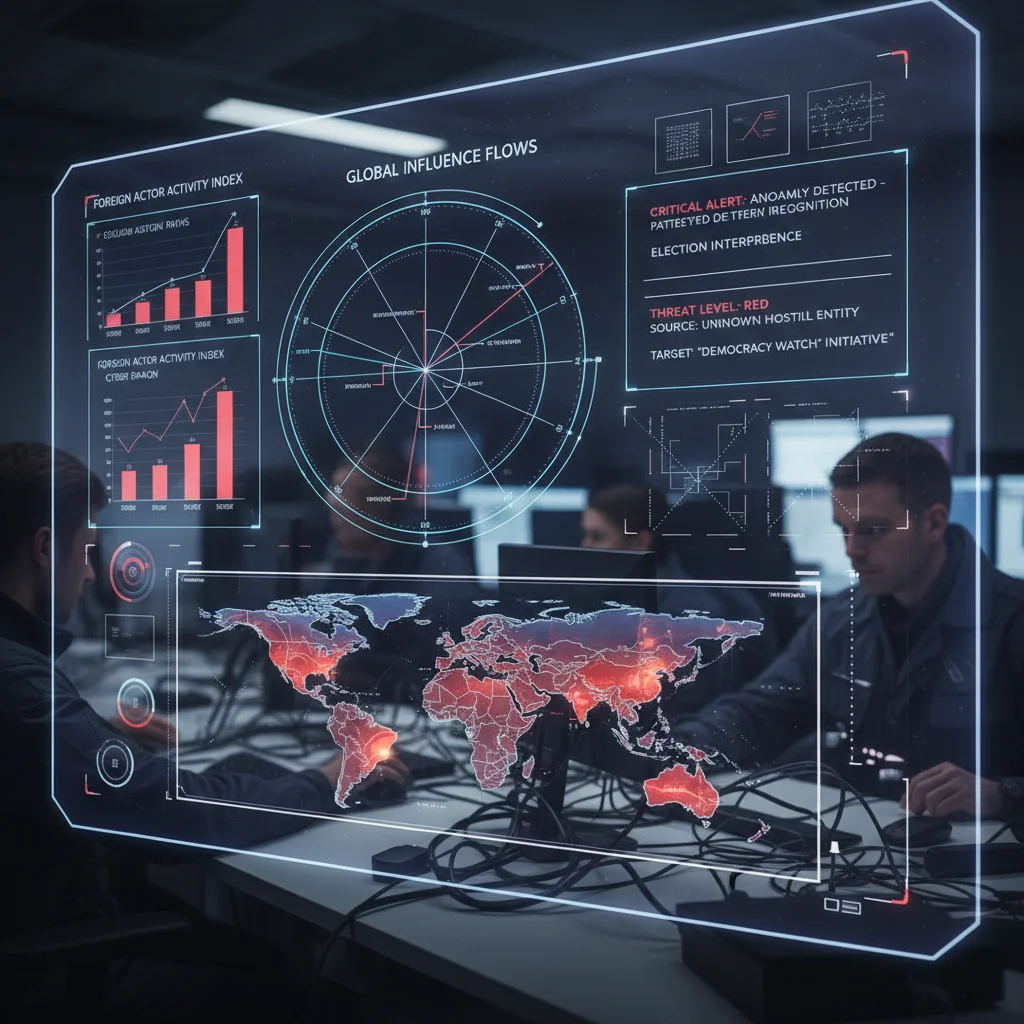
3. Strategic Communication and Counter-Narratives
Combating disinformation is not merely about debunking false claims; it’s also about actively shaping the information environment with truthful, compelling narratives. The U.S. is enhancing its strategic communication capabilities to proactively inform, educate, and counter adversary narratives. This involves:
- Proactive Information Sharing: Disseminating accurate and timely information on key issues to pre-bunk potential disinformation campaigns.
- Amplifying Independent Media: Supporting and partnering with independent journalists and media outlets globally to provide credible alternatives to state-controlled propaganda.
- Public Diplomacy: Utilizing diplomatic channels and public outreach programs to explain U.S. policies and values, fostering understanding and trust.
- Narrative Development: Crafting compelling and culturally resonant narratives that underscore democratic principles, human rights, and the benefits of international cooperation.
The goal is to not only expose falsehoods but also to build a resilient information ecosystem where truth can thrive and where citizens are equipped to critically evaluate the information they encounter. This proactive communication is a vital element of the US Disinformation Strategies 2026.
4. Promoting Media Literacy and Critical Thinking
Ultimately, a society resilient to disinformation is one where its citizens possess strong media literacy and critical thinking skills. The U.S. is investing in programs and partnerships to educate the public on how to identify, analyze, and resist manipulative information. This includes:
- Educational Curricula: Supporting the integration of media literacy education into school curricula, teaching students how to evaluate sources, recognize logical fallacies, and understand algorithmic biases.
- Public Awareness Campaigns: Launching national and local campaigns to inform adults about common disinformation tactics and provide practical tools for discernment.
- Fact-Checking Support: Collaborating with and supporting independent fact-checking organizations to verify information and debunk false claims.
- Community Engagement: Partnering with civil society organizations, libraries, and community centers to host workshops and discussions on critical information consumption.
Empowering individuals to become critical consumers of information is a long-term investment in democratic resilience and a core component of the US Disinformation Strategies 2026.

5. International Cooperation and Alliance Building
Disinformation is a global challenge, and no single nation can effectively combat it alone. The U.S. is prioritizing international cooperation and alliance building to create a united front against foreign influence operations. This involves:
- Multilateral Forums: Engaging with organizations like NATO, the G7, and the UN to share best practices, coordinate responses, and develop common frameworks for addressing disinformation.
- Bilateral Partnerships: Strengthening collaborations with key allies to exchange intelligence, conduct joint research, and develop shared defensive capabilities.
- Capacity Building: Providing assistance and training to partner nations, particularly those in vulnerable regions, to enhance their own capabilities to detect and counter disinformation.
- Shared Norms and Principles: Working towards establishing international norms and principles for responsible state behavior in the information environment, promoting transparency and accountability.
By fostering a robust network of international partners, the U.S. aims to amplify its impact, share the burden of defense, and present a unified response to those who seek to weaponize information. This global collaborative effort is a defining feature of the US Disinformation Strategies 2026.
Challenges and Future Outlook for US Disinformation Strategies 2026
Despite these comprehensive strategies, significant challenges remain. The rapid pace of technological change, the adaptive nature of adversaries, and the sheer volume of online content make it an ongoing battle. The legal and ethical considerations surrounding content moderation, free speech, and privacy also present complex dilemmas that require careful navigation.
Looking ahead to 2026 and beyond, the U.S. will need to continue to innovate and adapt. This includes:
- Investing in Cutting-Edge R&D: Funding research into advanced AI detection tools, behavior analysis, and attribution technologies.
- Addressing the ‘Echo Chamber’ Effect: Developing strategies to break down algorithmic echo chambers and filter bubbles that can amplify disinformation and polarization.
- Engaging with Youth: Tailoring media literacy programs to younger generations who are digital natives but may lack critical evaluation skills for online content.
- Promoting Digital Citizenship: Fostering a sense of responsibility and ethical conduct in the online sphere, encouraging users to be part of the solution rather than inadvertently contributing to the problem.
- Anticipating New Technologies: Preparing for the disinformation challenges that may arise from emerging technologies such as quantum computing, advanced virtual reality, and brain-computer interfaces.
The success of US Disinformation Strategies 2026 will depend on sustained commitment, continuous adaptation, and a collaborative spirit among government, industry, academia, and civil society. Protecting democratic processes and national security in the digital age requires a vigilant and proactive defense of the information space.
Conclusion
The fight against global disinformation and foreign influence campaigns is a defining challenge of our era. As we navigate towards 2026, the United States is deploying a robust and multi-faceted array of strategies designed to counter these threats effectively. From enhancing intelligence capabilities and securing digital platforms to promoting media literacy and fostering international cooperation, the US Disinformation Strategies 2026 represent a comprehensive commitment to safeguarding democratic processes and national security.
The battle for truth and trust in the information environment is ongoing. It demands constant vigilance, continuous innovation, and a collective effort from all stakeholders. By empowering citizens with critical thinking skills, holding platforms accountable, and working with global partners, the U.S. aims to build a more resilient and informed society capable of discerning fact from fiction and resisting the corrosive effects of weaponized information. The future of democratic societies depends on our ability to win this crucial struggle.