Global Energy Prices 2026: Impact on US Consumers & Oil Trends
Anúncios
The Impact of Rising Global Energy Prices on U.S. Consumers in 2026: An Analysis of International Oil Market Trends and a Projected 10% Increase
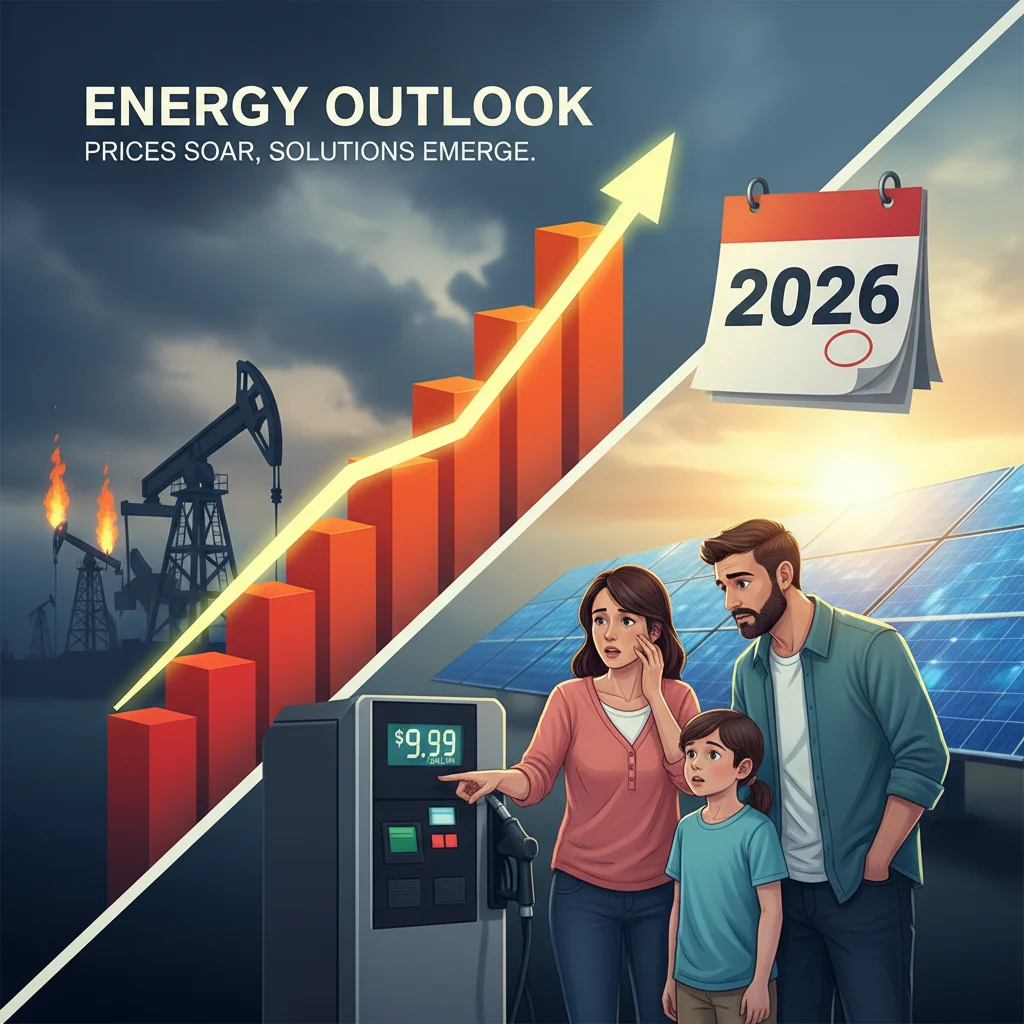
The year 2026 looms on the horizon, bringing with it a confluence of economic, geopolitical, and environmental factors that are set to significantly reshape the landscape of global energy prices. For U.S. consumers, this forecast is particularly pertinent, with projections indicating a substantial 10% increase in energy costs. This comprehensive analysis delves into the intricate web of international oil market trends, the underlying drivers of these escalating costs, and the multifaceted impact they are expected to have on American households and the broader economy. Understanding these dynamics is not merely an academic exercise; it is crucial for policymakers, businesses, and individual consumers to prepare for and mitigate the challenges ahead.
Anúncios
The concept of global energy prices is a complex one, influenced by a myriad of interconnected variables. From the delicate balance of supply and demand in the crude oil market to the volatile geopolitical situations in key producing regions, every element plays a role in determining the price at the pump and the cost of heating our homes. As we look towards 2026, several critical trends are converging to create an environment ripe for significant price escalations. This article aims to unpack these trends, providing a clear and detailed picture of what U.S. consumers can expect and why.
Anúncios
Understanding the Drivers of Rising Global Energy Prices
To comprehend the projected 10% surge in U.S. consumer energy costs by 2026, it is essential to first dissect the primary drivers pushing global energy prices upward. These drivers are not singular but rather a combination of economic, geopolitical, and structural factors that interact in complex ways.
International Oil Market Trends: Supply and Demand Imbalances
The bedrock of global energy prices remains the international oil market. Several key trends here suggest an upward trajectory for prices. On the supply side, years of underinvestment in new oil and gas exploration and production, particularly following the downturns of the mid-2010s and the COVID-19 pandemic, are beginning to manifest. While demand rebounded sharply post-pandemic, supply has struggled to keep pace. Many major oil companies have shifted their focus towards more environmentally sustainable investments, leading to a slower ramp-up in traditional fossil fuel output. Furthermore, OPEC+ nations, which control a significant portion of global oil supply, continue to manage production levels strategically to maintain price stability, often favoring higher prices.
On the demand side, despite growing efforts towards decarbonization, global oil demand is projected to remain robust, particularly from developing economies as industrialization and urbanization continue. Air travel, which was severely impacted by the pandemic, is expected to fully recover and surpass previous highs, contributing to increased jet fuel demand. The burgeoning middle class in countries like India and China will also drive up demand for personal transportation and goods, further fueling oil consumption. This persistent demand, coupled with constrained supply, creates an inherent upward pressure on global energy prices.
Geopolitical Instability and Supply Chain Vulnerabilities
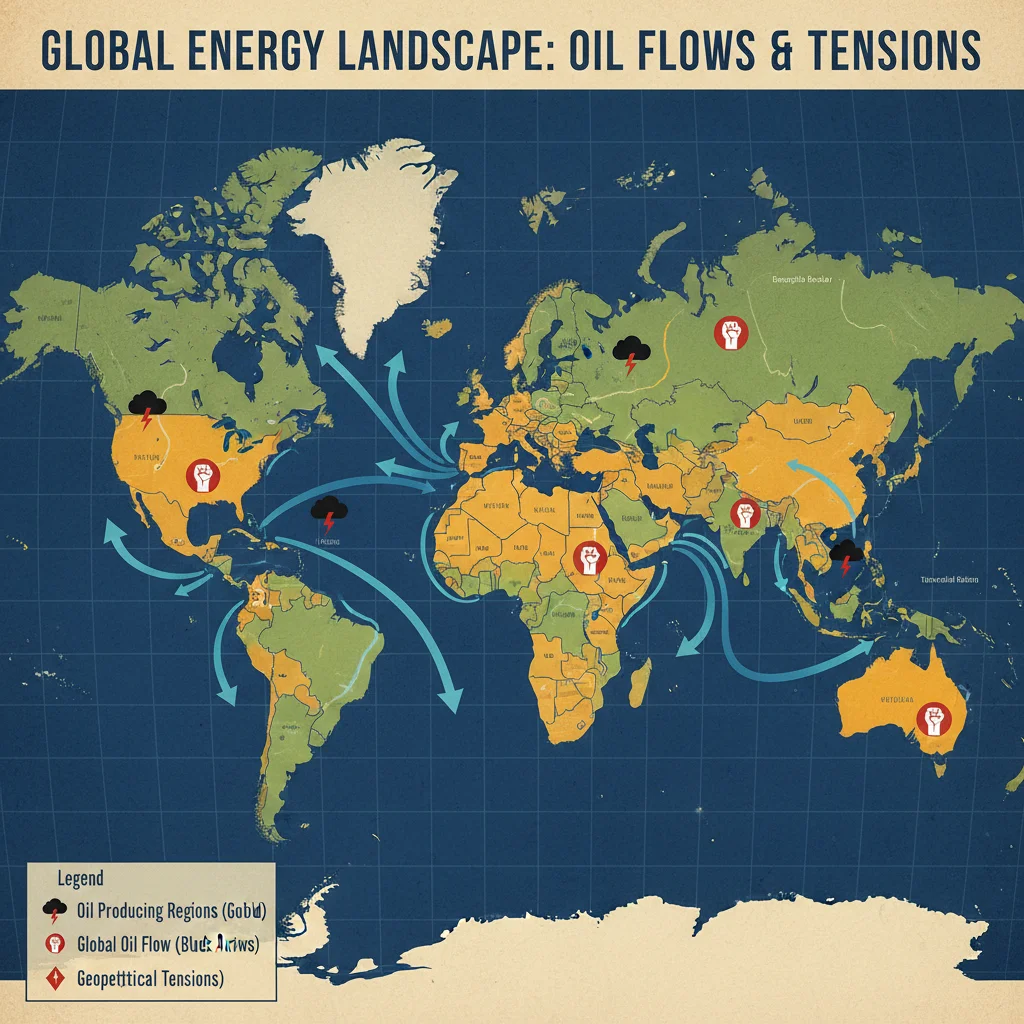
Geopolitics has always been a critical determinant of global energy prices, and its influence is only set to intensify by 2026. Conflicts and political instability in major oil-producing regions, such as the Middle East, Eastern Europe, and parts of Africa, can disrupt supply chains, create uncertainty, and trigger speculative buying, all of which push prices higher. The ongoing war in Ukraine, for instance, has already demonstrated the profound impact geopolitical events can have on energy markets, leading to sanctions, rerouting of supplies, and heightened fears of shortages.
Moreover, the vulnerability of critical energy infrastructure to cyberattacks and physical disruptions adds another layer of risk. Choke points in global shipping lanes, such as the Strait of Hormuz or the Suez Canal, remain susceptible to blockades or attacks, which can severely impede the flow of oil and gas, sending shockwaves through the market. The interconnectedness of the global energy system means that a disruption in one region can have far-reaching consequences, directly impacting the global energy prices faced by U.S. consumers.
Inflationary Pressures and Monetary Policy
The current global inflationary environment is another significant factor contributing to rising global energy prices. Central banks worldwide have been grappling with inflation, which has been exacerbated by supply chain bottlenecks, robust consumer demand, and expansionary fiscal policies. Energy, being a fundamental input for almost all goods and services, plays a dual role: its rising cost contributes directly to inflation, and inflation itself can lead to higher production costs for energy companies, which are then passed on to consumers. The policies enacted by central banks to combat inflation, such as interest rate hikes, can influence economic growth and, consequently, energy demand, but their immediate impact on supply-driven price increases may be limited.
Furthermore, a weaker U.S. dollar, should it occur, can also make dollar-denominated commodities like oil more expensive for countries using other currencies, indirectly affecting overall demand dynamics and contributing to the upward pressure on global energy prices. The interplay between macroeconomic factors and energy markets is intricate, and by 2026, these inflationary pressures are likely to remain a significant concern.
Energy Transition and Investment Decisions
Paradoxically, the global push towards renewable energy and decarbonization, while crucial for long-term sustainability, can also contribute to higher fossil fuel prices in the short to medium term. As investment shifts away from traditional oil and gas projects towards renewables, the pace of new conventional energy supply development slows down. If the transition to renewables is not rapid enough to meet growing energy demand, or if there are bottlenecks in the deployment of renewable infrastructure, then the remaining fossil fuel supply becomes more valuable, thus driving up global energy prices.
Government policies, carbon taxes, and stricter environmental regulations can also increase the cost of extracting, refining, and transporting fossil fuels, which are ultimately passed on to the consumer. While these measures are essential for climate goals, their implementation requires careful management to avoid undue economic burden, especially on vulnerable populations. The balance between accelerating the energy transition and ensuring energy security and affordability will be a key challenge leading up to 2026.
Projected 10% Increase: What it Means for U.S. Consumers
A projected 10% increase in U.S. consumer energy costs by 2026 is not merely a statistical figure; it represents a tangible and significant impact on daily life and the broader economy. This increase will manifest in various forms, affecting different aspects of consumer spending and economic stability.
Direct Impact on Household Budgets
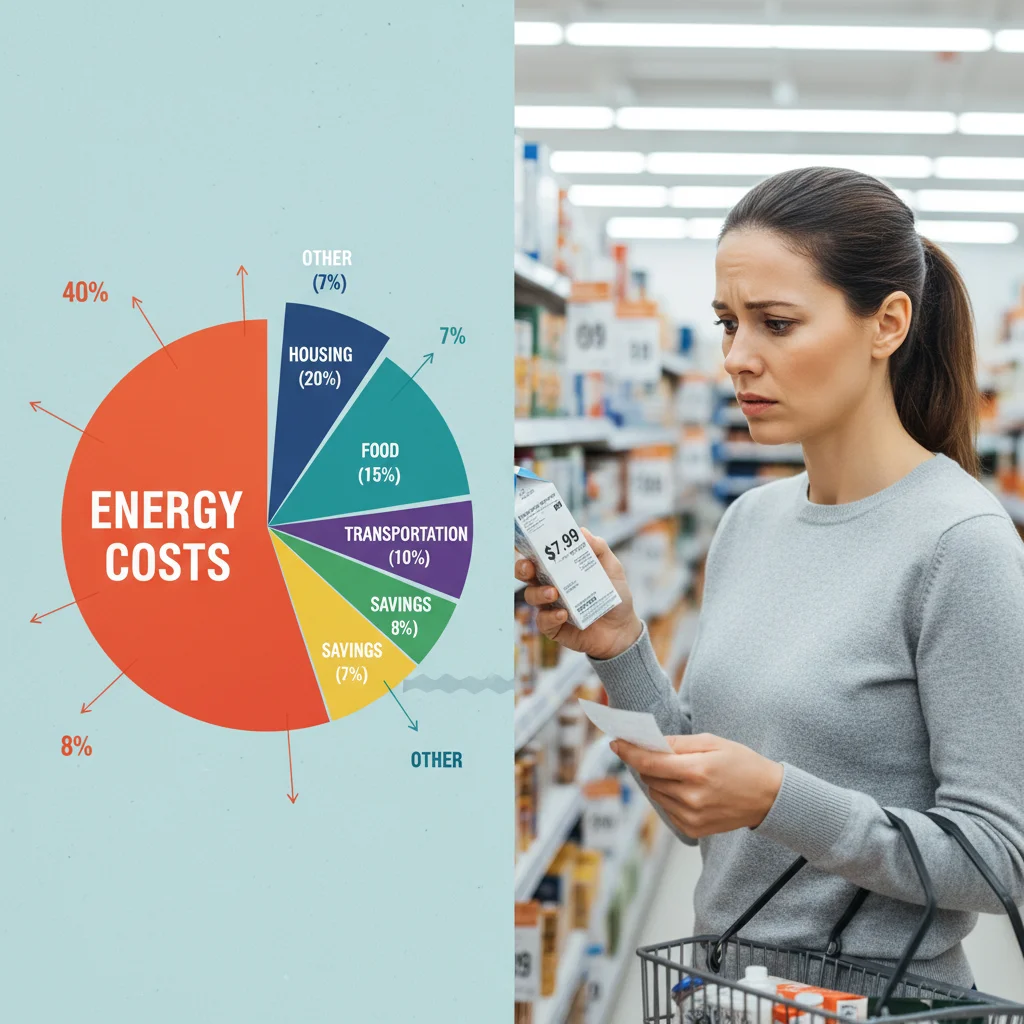
The most immediate and noticeable effect will be on household budgets. Higher gasoline prices will mean more expensive commutes, costlier road trips, and increased expenses for goods transportation, which will then be reflected in retail prices. Utility bills for electricity and natural gas are also expected to climb, directly impacting heating and cooling costs. For an average American household, an additional 10% on energy expenses could translate into hundreds of dollars annually, diverting funds from other essential spending categories like food, healthcare, or savings.
Lower-income households are disproportionately affected by rising energy costs, as energy constitutes a larger percentage of their overall expenditure. This can exacerbate existing inequalities and push more families into energy poverty, where a significant portion of their income is spent on keeping their homes adequately heated or cooled. The burden of increased global energy prices is not uniformly distributed and will hit the most vulnerable segments of the population hardest.
Ripple Effects Across the Economy: Inflation and Cost of Goods
Energy is an indispensable input for almost every sector of the economy. A rise in global energy prices inevitably leads to a ripple effect, increasing the cost of producing, manufacturing, and transporting goods and services. Businesses will face higher operational costs, which they will likely pass on to consumers in the form of higher prices for products, from groceries to electronics. This contributes to broader inflationary pressures, eroding purchasing power and potentially leading to a decrease in consumer spending on non-essential items.
Industries that are particularly energy-intensive, such as manufacturing, agriculture, and transportation, will experience significant cost pressures. Farmers will face higher fuel costs for machinery and increased expenses for fertilizers (which are energy-intensive to produce), leading to higher food prices. Supply chain disruptions could also worsen as transportation costs escalate, potentially causing delays and further price increases. The projected 10% increase in energy costs will thus act as a significant inflationary impulse across the entire U.S. economy.
Impact on Business Competitiveness and Investment
For U.S. businesses, rising energy costs can impact competitiveness, especially for those competing in global markets where energy prices might be lower or subsidized. Higher operational expenses can reduce profit margins, potentially leading to slower growth, reduced investment in expansion or innovation, and even job losses in some sectors. Small and medium-sized enterprises (SMEs) are often less equipped to absorb these increased costs than larger corporations, making them particularly vulnerable.
The uncertainty surrounding future global energy prices can also deter long-term investment decisions. Businesses may become more cautious about committing to new projects that have high energy demands, potentially slowing down economic development and job creation. This can create a feedback loop where economic slowdowns reduce demand, but the underlying structural issues driving up energy costs persist.
Mitigation Strategies and Policy Responses
Given the significant challenges posed by rising global energy prices, proactive mitigation strategies and robust policy responses are crucial. These efforts must address both the supply and demand sides of the energy equation, while also providing support for affected consumers and businesses.
Government Policies and Strategic Reserves
Governments can play a vital role in stabilizing energy markets and protecting consumers. This includes strategic releases from national petroleum reserves, such as the U.S. Strategic Petroleum Reserve, to temporarily boost supply and cool prices during times of crisis. However, these are short-term measures and do not address underlying structural issues. Long-term policies could involve diversifying energy import sources to reduce reliance on volatile regions, fostering international cooperation to ensure stable supply, and investing in energy infrastructure resilience.
Fiscal policies, such as targeted subsidies or tax breaks for low-income households, can help offset the direct impact of higher energy bills. Additionally, encouraging energy efficiency measures through incentives for home insulation, energy-efficient appliances, and public transportation can reduce overall energy consumption and thus household expenditure. Regulatory frameworks that promote market transparency and prevent price gouging are also essential.
Accelerating the Transition to Renewable Energy
The most sustainable long-term solution to volatile global energy prices is an accelerated transition to renewable energy sources. Investing heavily in solar, wind, geothermal, and hydropower can reduce dependence on fossil fuels, enhance energy independence, and provide more stable, predictable energy costs. This requires significant public and private investment in renewable energy infrastructure, grid modernization, and energy storage technologies.
Furthermore, research and development into advanced energy technologies, such as small modular reactors (SMRs) for nuclear power or enhanced geothermal systems, can provide additional clean energy options. Policies that incentivize renewable energy adoption, such as tax credits, grants, and streamlined permitting processes, are crucial to speeding up this transition. By boosting domestic clean energy production, the U.S. can become less susceptible to the vagaries of international oil markets.
Promoting Energy Efficiency and Conservation
Beyond simply changing energy sources, reducing overall energy consumption through efficiency and conservation measures is paramount. This includes promoting energy-efficient building codes, encouraging the adoption of electric vehicles (EVs) and public transport, and fostering behavioral changes among consumers to use less energy. Smart grid technologies can help optimize energy distribution and reduce waste, while demand-side management programs can incentivize consumers to shift energy use away from peak hours.
Education campaigns can also play a role in raising awareness about energy conservation practices. For businesses, investing in energy-efficient machinery and processes can not only reduce operational costs but also enhance their environmental credentials. Every unit of energy saved contributes to alleviating pressure on global energy prices and reduces the carbon footprint.
Future Outlook and Long-Term Implications
The projected 10% increase in U.S. consumer energy costs by 2026, driven by rising global energy prices, represents a critical juncture. While the immediate focus will be on managing the economic fallout, the long-term implications are even more profound. This period could accelerate the shift away from fossil fuels, not just for environmental reasons, but also for economic and national security imperatives.
The pressure from sustained high energy prices might spur greater innovation in energy technologies and more rapid adoption of alternatives. It could also lead to a restructuring of industries, favoring those with lower energy footprints or those that successfully transition to renewable energy sources. Geopolitically, nations that achieve greater energy independence through domestic renewable production will gain significant strategic advantages.
However, if not managed effectively, the rising costs could also lead to social unrest, economic stagnation, and increased political polarization. The challenge for policymakers will be to navigate this complex landscape, balancing the need for energy security and affordability with the imperative of climate action. The decisions made in the coming years regarding energy policy, investment, and international cooperation will determine the trajectory of global energy prices and their impact on U.S. consumers well beyond 2026.
Conclusion
The forecast of a 10% increase in U.S. consumer energy costs by 2026, stemming from escalating global energy prices, is a serious concern that demands immediate attention. The confluence of international oil market trends, geopolitical instability, inflationary pressures, and the dynamics of the energy transition are all contributing to this projected rise. The impact on household budgets, the broader economy through inflation, and business competitiveness will be substantial. However, this challenge also presents an opportunity to redouble efforts towards energy efficiency, conservation, and, most importantly, an accelerated and equitable transition to renewable energy sources. By proactively addressing these drivers and implementing comprehensive mitigation strategies, the U.S. can build a more resilient, sustainable, and affordable energy future, lessening its vulnerability to the volatility of global energy prices.