
Preventative Health Screenings for 2026: A Comprehensive Guide to Essential Check-ups for Adults Aged 35+
As we step into 2026, the emphasis on proactive healthcare has never been more critical. For adults aged 35 and above, understanding and prioritizing preventative health screenings is paramount to maintaining well-being, detecting potential issues early, and ultimately living a longer, healthier life. This comprehensive guide will delve into the essential check-ups recommended for this age group, explore why they are crucial, and provide actionable insights to empower you on your health journey.
Anúncios
Our bodies undergo various changes as we age, increasing the risk of certain health conditions. Many of these conditions, if caught early through regular preventative health screenings, can be managed effectively, or even prevented entirely. From cardiovascular diseases to various cancers and metabolic disorders, early detection is often the key to successful treatment and improved outcomes. This article is designed to be your go-to resource, outlining what to expect, what to ask your doctor, and how to integrate these screenings into your annual health routine.
Anúncios
Why Preventative Health Screenings Are Non-Negotiable After 35
The age of 35 is often considered a significant milestone in health. While many individuals may still feel robust and healthy, it’s typically when the risk factors for chronic diseases begin to accumulate or manifest. Lifestyle choices made in earlier years, genetic predispositions, and environmental factors start to play a more prominent role. This is precisely why preventative health screenings become indispensable. They serve as a crucial early warning system, allowing for interventions before conditions become severe or irreversible.
Beyond individual health benefits, regular screenings contribute to public health by reducing the burden of preventable diseases on healthcare systems. They empower individuals with knowledge about their own health status, fostering a sense of responsibility and encouraging healthier lifestyle choices. Ignoring these screenings can lead to delayed diagnoses, more invasive and costly treatments, and a diminished quality of life. Therefore, making preventative health screenings a priority is an investment in your future.
Understanding Your Risk Factors
Before diving into specific screenings, it’s vital to understand your personal risk factors. These can include a family history of certain diseases (e.g., heart disease, diabetes, cancer), lifestyle habits (smoking, excessive alcohol consumption, sedentary lifestyle, poor diet), existing medical conditions (e.g., high blood pressure, high cholesterol), and environmental exposures. Discussing these factors with your doctor is the first step in tailoring a personalized preventative health screenings plan for 2026.
For example, if you have a strong family history of colon cancer, your doctor might recommend starting colonoscopies earlier than the general guideline. Similarly, if you have a history of high blood pressure, more frequent blood pressure checks and discussions about lifestyle modifications will be part of your preventative strategy. This personalized approach ensures that your screenings are relevant and effective for your unique health profile, making preventative health screenings more impactful.
Key Preventative Health Screenings for Adults Aged 35+ in 2026
Here’s a breakdown of the most critical preventative health screenings recommended for individuals aged 35 and above in 2026:
1. Comprehensive Physical Examination
An annual physical is the cornerstone of preventative health screenings. It’s an opportunity for your doctor to assess your overall health, discuss any concerns, and update your medical history. During this exam, your doctor will typically check your vital signs (blood pressure, heart rate, respiration rate, temperature), listen to your heart and lungs, palpate your abdomen, and examine your skin for any suspicious moles. This is also the ideal time to review your vaccination status.
Beyond the physical aspects, the comprehensive exam allows for a crucial dialogue with your healthcare provider. You can discuss lifestyle habits, stress levels, mental health, and any changes you’ve noticed in your body. This open communication is vital for identifying potential issues early and ensuring that your preventative health screenings plan is aligned with your current health needs and goals. Don’t underestimate the value of this annual check-in.
2. Blood Pressure Screening
High blood pressure (hypertension) is often called the ‘silent killer’ because it usually has no symptoms. Left untreated, it can lead to heart disease, stroke, kidney disease, and other serious health problems. Regular blood pressure screening is a quick and painless procedure that should be part of every annual physical. For adults over 35, monitoring blood pressure regularly is a fundamental aspect of preventative health screenings.
If your blood pressure is consistently elevated, your doctor will discuss lifestyle modifications (diet, exercise, stress management) and potentially medication. Early detection and management of hypertension can significantly reduce your risk of future cardiovascular events. It’s not just about getting the reading; it’s about understanding what those numbers mean for your long-term health and taking proactive steps, a core principle of effective preventative health screenings.
3. Cholesterol Screening (Lipid Panel)
A lipid panel measures your total cholesterol, LDL (‘bad’) cholesterol, HDL (‘good’) cholesterol, and triglycerides. High cholesterol levels can lead to plaque buildup in your arteries, increasing your risk of heart attack and stroke. For adults aged 35 and older, this screening is typically recommended every 4-6 years, or more frequently if you have risk factors such like a family history of heart disease, diabetes, or obesity. This is a vital component of preventative health screenings.
Understanding your cholesterol numbers is empowering. If your levels are outside the healthy range, your doctor can recommend dietary changes, increased physical activity, and in some cases, medication to help manage them. Maintaining healthy cholesterol levels is a proactive step in preventing cardiovascular disease, reinforcing the importance of consistent preventative health screenings.
4. Diabetes Screening (Blood Glucose Test/HbA1c)
Type 2 diabetes is a growing concern, and many people are unaware they have it until complications arise. Screening for diabetes typically involves a fasting blood glucose test or an HbA1c test, which provides an average of your blood sugar levels over the past 2-3 months. For individuals aged 35 and above, especially those with risk factors like obesity, a family history of diabetes, or a sedentary lifestyle, regular screening is crucial. This is a core part of effective preventative health screenings.
Early detection of prediabetes or type 2 diabetes allows for timely interventions, including lifestyle modifications, which can often prevent or delay the progression of the disease. Managing blood sugar levels is essential to prevent severe complications affecting the heart, kidneys, eyes, and nerves. Regular diabetes screening is a testament to the power of preventative health screenings in safeguarding long-term health.
5. Cancer Screenings
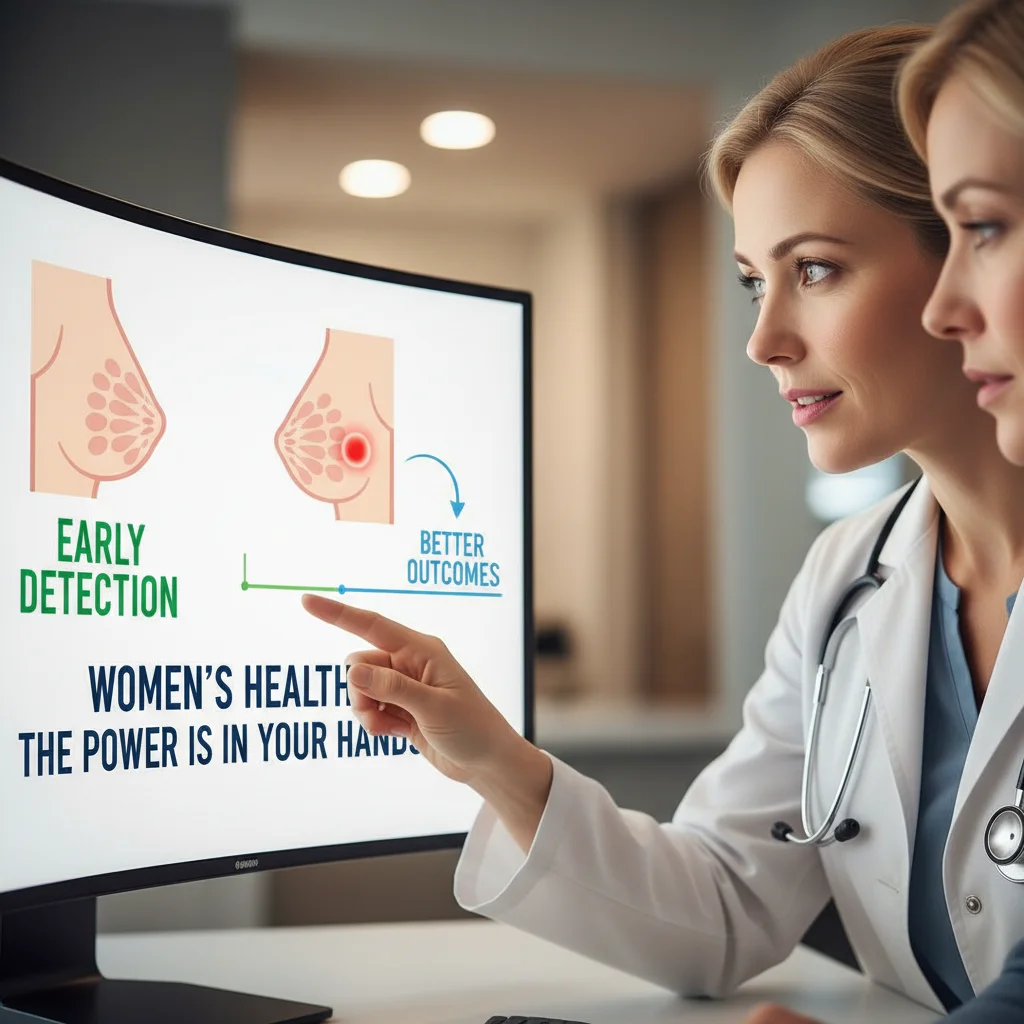
Cancer screenings are among the most impactful preventative health screenings, as early detection dramatically improves treatment outcomes.
- Colorectal Cancer Screening: For most individuals, colorectal cancer screening begins at age 45, but your doctor might recommend starting earlier if you have a family history or other risk factors. Options include colonoscopy, stool-based tests (fecal immunochemical test – FIT, stool DNA test), and sigmoidoscopy. Discuss with your doctor which method is best for you.
- Breast Cancer Screening (for women): Mammograms are the gold standard for breast cancer detection. For women aged 40-49, the recommendation varies, but most guidelines suggest annual mammograms starting at 40 or 45. For women aged 50-74, annual or biennial mammograms are generally recommended. Clinical breast exams may also be part of your routine.
- Cervical Cancer Screening (for women): Regular Pap tests (Papanicolaou tests) are crucial for detecting abnormal cervical cells that could lead to cancer. For women aged 30-65, co-testing with a Pap test and an HPV test every five years is often recommended, or a Pap test alone every three years.
- Prostate Cancer Screening (for men): Discussions about prostate cancer screening (PSA test and digital rectal exam) typically begin around age 50 for men at average risk. For men with a family history or of African American descent, discussions may start earlier, around 40-45. This decision should be made in consultation with your doctor, weighing the benefits and risks.
- Skin Cancer Screening: Annual skin checks by a dermatologist are recommended, especially for individuals with a history of excessive sun exposure, numerous moles, or a family history of skin cancer. Regular self-exams are also encouraged.
Each of these cancer screenings plays a vital role in the broader spectrum of preventative health screenings, offering the best chance for early intervention and successful treatment.
6. Bone Density Screening (for women)
Osteoporosis, a condition that causes bones to become weak and brittle, is more common in women, especially after menopause. Bone density screenings (DEXA scans) are typically recommended for women starting around age 65, but may begin earlier if you have risk factors such as a family history of osteoporosis, early menopause, or certain medical conditions. This is a key aspect of preventative health screenings for bone health.
Early detection allows for interventions like dietary changes, exercise, and medication to strengthen bones and prevent fractures. Maintaining strong bones is crucial for mobility and quality of life as you age, highlighting the comprehensive nature of preventative health screenings.
7. Eye Exams
Regular eye exams are not just for checking your vision; they can also detect early signs of serious health conditions like glaucoma, cataracts, diabetic retinopathy, and even hypertension or brain tumors. For adults over 35, an eye exam every 1-2 years is generally recommended, especially if you wear corrective lenses or have risk factors for eye diseases. This is an often-overlooked but crucial part of preventative health screenings.
8. Dental Check-ups
Good oral hygiene is linked to overall health. Regular dental check-ups and cleanings (typically every six months) can prevent cavities, gum disease, and detect oral cancers early. Gum disease, if left untreated, has been linked to heart disease and diabetes. Therefore, including dental care in your routine preventative health screenings is essential for holistic health.
9. Mental Health Screenings
Mental health is as important as physical health. Screenings for depression, anxiety, and other mental health conditions should be a regular part of your comprehensive physical exam. Your doctor may ask questions about your mood, sleep patterns, and stress levels. If concerns arise, they can refer you to a mental health professional. Integrating mental health into preventative health screenings ensures a holistic approach to well-being.
Tailoring Your Preventative Health Screenings Plan for 2026
It’s important to remember that these are general guidelines. Your specific preventative health screenings plan should be tailored to your individual needs, risk factors, and family history. Here’s how you can proactively engage in this process:
- Talk to Your Doctor: Schedule an appointment to discuss your health history, family history, and lifestyle. Your doctor is your best resource for creating a personalized screening schedule.
- Be Honest About Your Lifestyle: Provide accurate information about your diet, exercise habits, smoking, alcohol consumption, and stress levels. This helps your doctor assess your risks accurately.
- Understand the ‘Why’: Ask questions about why a particular screening is recommended, what it involves, and what the results mean. Knowledge empowers you to make informed decisions about your health.
- Keep Records: Maintain a personal health record of your screening dates, results, and any follow-up actions. This can be invaluable for tracking your health over time.
- Stay Informed: Health guidelines can change. Stay updated on the latest recommendations for preventative health screenings through reliable sources like your doctor or reputable health organizations.
By actively participating in your healthcare decisions, you ensure that your preventative health screenings are effective and aligned with your personal health goals for 2026 and beyond.
Beyond Screenings: Lifestyle Choices for Optimal Health
While preventative health screenings are crucial, they are most effective when combined with a healthy lifestyle. No screening can fully compensate for poor daily habits. Here are some key areas to focus on:
- Balanced Diet: Emphasize whole foods, fruits, vegetables, lean proteins, and healthy fats. Limit processed foods, sugary drinks, and excessive saturated/trans fats.
- Regular Physical Activity: Aim for at least 150 minutes of moderate-intensity aerobic activity or 75 minutes of vigorous-intensity activity per week, along with muscle-strengthening activities on two or more days.
- Maintain a Healthy Weight: Achieve and maintain a body mass index (BMI) within the healthy range.
- Avoid Tobacco and Limit Alcohol: Smoking is a major risk factor for numerous diseases. Excessive alcohol consumption can also have detrimental health effects.
- Manage Stress: Chronic stress can impact both mental and physical health. Incorporate stress-reduction techniques like meditation, yoga, or hobbies.
- Adequate Sleep: Aim for 7-9 hours of quality sleep per night to support overall health and well-being.
These lifestyle choices not only complement your preventative health screenings but also significantly reduce your risk of developing chronic diseases in the first place, creating a powerful synergy for long-term health.

Addressing Common Concerns About Preventative Health Screenings
It’s natural to have questions or even anxieties about preventative health screenings. Here, we address some common concerns:
Fear of Results:
Many people avoid screenings due to fear of receiving bad news. However, knowing about a potential problem early is always better than finding out when it’s advanced. Early detection often means simpler, more effective treatments and better prognoses. Remember, screenings are about empowerment, not fear.
Cost of Screenings:
Most insurance plans cover recommended preventative health screenings at 100% with no co-pay, as part of the Affordable Care Act (ACA). Check with your insurance provider to understand your specific coverage. Many community health centers also offer low-cost or free screenings for those without insurance.
Time Commitment:
While some screenings require dedicated time, the time invested is minimal compared to the potential consequences of neglecting your health. Think of it as a small investment for a significant return in health and peace of mind. Many clinics offer efficient scheduling to fit into busy lives, making preventative health screenings accessible.
Unnecessary Screenings:
While it’s important not to over-screen, following evidence-based guidelines for preventative health screenings ensures that you are getting the right tests at the right time. Your doctor will help you navigate what is truly necessary for your age and risk profile, avoiding superfluous tests.
The Future of Preventative Health Screenings in 2026 and Beyond
The landscape of preventative health screenings is continually evolving. In 2026, we can expect to see further advancements in personalized medicine, genetic screening, and non-invasive diagnostic tools. Artificial intelligence and machine learning are increasingly being integrated into risk assessment and early detection, making screenings more precise and accessible.
Telemedicine also plays a growing role, facilitating initial consultations and follow-ups for some screenings, making healthcare more convenient. Staying informed about these technological advancements and discussing them with your doctor can help you leverage the best available tools for your health, further enhancing the impact of preventative health screenings.
Conclusion: Your Health, Your Priority in 2026
In conclusion, for adults aged 35 and above, prioritizing preventative health screenings in 2026 is a fundamental step towards a healthier and more fulfilling life. These essential check-ups, combined with a healthy lifestyle and open communication with your healthcare provider, form a powerful defense against chronic diseases and allow for early intervention when necessary.
Don’t wait for symptoms to appear. Be proactive, be informed, and take charge of your health. Schedule your annual physical, discuss your personalized screening plan, and commit to making your health a top priority. Your future self will thank you for the investment you make in preventative health screenings today. Embrace the opportunity to live your healthiest life in 2026 and beyond.