Workforce Evolution: Latest Talent Acquisition Trends US 2026
Anúncios
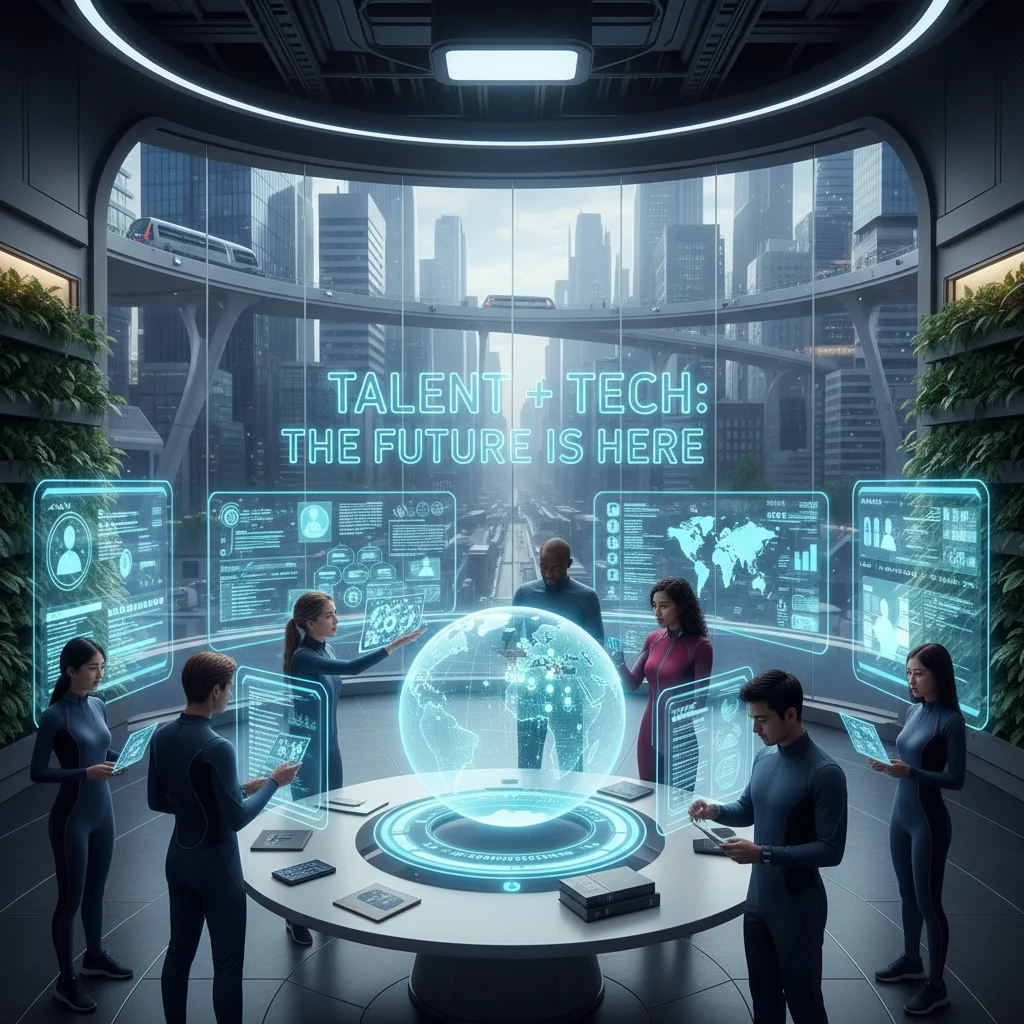
The landscape of work is in a constant state of flux, a dynamic evolution driven by technological advancements, shifting demographics, and ever-changing societal expectations. As we edge closer to 2026, understanding the latest Talent Acquisition Trends in the US is not merely beneficial; it’s absolutely crucial for organizations aiming to thrive. The competition for skilled professionals is intensifying, and the strategies that once sufficed are quickly becoming obsolete. This comprehensive guide will dissect the pivotal shifts, offering insights and actionable advice for navigating the complex world of modern recruitment.
The United States, a hub of innovation and economic activity, serves as a microcosm for global workforce trends. Here, the interplay of technological disruption, a diverse talent pool, and evolving employee values creates a unique set of challenges and opportunities for talent acquisition specialists. From the rise of artificial intelligence in screening to the paramount importance of diversity, equity, and inclusion, the rules of engagement are being rewritten. Embracing these new paradigms is essential for building resilient, adaptable, and high-performing teams.
Anúncios
The Digital Transformation of Recruitment: AI and Automation at the Forefront
One of the most significant Talent Acquisition Trends transforming the US market is the pervasive integration of artificial intelligence (AI) and automation. These technologies are no longer futuristic concepts but indispensable tools that are streamlining processes, enhancing candidate experience, and providing data-driven insights. AI is revolutionizing every stage of the recruitment funnel, from sourcing to onboarding.
Anúncios
AI-Powered Sourcing and Screening
AI algorithms are now adept at sifting through vast databases of resumes and online profiles, identifying candidates who possess not only the required skills but also a cultural fit. This capability dramatically reduces the time recruiters spend on manual screening, allowing them to focus on more strategic aspects of their role. AI tools can analyze language patterns, identify key competencies, and even predict a candidate’s potential for long-term success within an organization. Machine learning models continuously improve their accuracy, making the sourcing process more efficient and less prone to human bias.
Automated Candidate Engagement
Chatbots and virtual assistants powered by AI are becoming common in the initial stages of candidate interaction. These tools can answer frequently asked questions, schedule interviews, and provide updates on application status, offering a seamless and responsive experience 24/7. This automation frees up recruiters to engage in more meaningful conversations with qualified candidates, focusing on relationship building rather than administrative tasks. The personalized yet automated communication keeps candidates informed and engaged throughout the hiring journey, a crucial factor in today’s competitive market.
Predictive Analytics for Talent Forecasting
Beyond immediate hiring needs, AI is enabling organizations to leverage predictive analytics for long-term talent forecasting. By analyzing historical data, market trends, and internal workforce metrics, AI can help identify future skill gaps, anticipate hiring demands, and even predict employee turnover. This proactive approach allows companies to develop robust talent pipelines and strategic workforce plans, ensuring they are prepared for future challenges and opportunities. Understanding these analytics is key to staying ahead in the evolving landscape of Talent Acquisition Trends.
The Evolving Candidate Experience: Beyond Just a Job Offer
In a candidate-driven market, the experience offered to potential employees is as critical as the job itself. Organizations are realizing that a positive candidate experience can significantly impact their employer brand, attracting better talent and fostering stronger relationships, even with those who aren’t ultimately hired.
Personalization and Transparency
Candidates today expect a highly personalized and transparent recruitment process. This means clear communication about job requirements, company culture, and the interview process. Personalized outreach, tailored feedback, and a genuine understanding of a candidate’s aspirations are becoming standard. Companies that excel in this area often see higher offer acceptance rates and stronger referrals. Transparency extends to salary ranges, benefits, and growth opportunities, allowing candidates to make informed decisions.
Streamlined Application Processes
Lengthy, cumbersome application forms are a relic of the past. Modern candidates, especially those from younger generations, expect quick, mobile-friendly application processes. One-click applications, resume parsing tools, and integration with professional networking sites like LinkedIn are becoming essential. A smooth, efficient application journey signals respect for the candidate’s time and reflects positively on the organization’s efficiency. This focus on ease of use is a critical element of current Talent Acquisition Trends.
Feedback and Communication
Even for candidates who are not selected, providing timely and constructive feedback is vital. It maintains a positive perception of the company and can turn a rejected applicant into a future advocate or customer. Automated systems can manage initial rejections, but personalized feedback from a recruiter can make a significant difference in building a positive employer brand. The goal is to ensure every candidate, regardless of outcome, leaves with a favorable impression.
Diversity, Equity, and Inclusion (DEI) as a Strategic Imperative
DEI is no longer just a buzzword; it’s a foundational pillar of successful talent acquisition strategies. Companies are increasingly recognizing that diverse teams foster innovation, improve decision-making, and better reflect the diverse customer bases they serve.
Bias Reduction in Hiring
Addressing unconscious bias is a primary focus. This involves training recruiters and hiring managers, implementing blind resume reviews, and utilizing AI tools designed to minimize bias in candidate screening. The objective is to create a level playing field where candidates are evaluated solely on their skills, experience, and potential, rather than demographic factors. This commitment to fairness is a cornerstone of progressive Talent Acquisition Trends.
Inclusive Sourcing Strategies
Expanding sourcing efforts to reach a wider, more diverse pool of candidates is essential. This includes partnering with diversity-focused organizations, attending specialized career fairs, and actively recruiting from historically underrepresented groups. Building diverse talent pipelines requires intentional effort and a commitment to looking beyond traditional recruitment channels.
Equitable Interview Processes
Ensuring that interview processes are equitable involves standardizing questions, providing accommodations for candidates with disabilities, and creating an environment where all candidates feel comfortable and respected. Post-interview, objective evaluation criteria help prevent subjective biases from influencing hiring decisions. The entire process, from initial contact to final offer, must reflect a commitment to equity.
The Rise of Skills-Based Hiring and Internal Mobility
The traditional focus on degrees and years of experience is giving way to a more pragmatic approach: skills-based hiring. This shift acknowledges the rapidly changing skill requirements of the modern workforce and the potential of individuals from non-traditional backgrounds.
Prioritizing Skills Over Credentials
Companies are increasingly looking at a candidate’s demonstrable skills and competencies rather than solely relying on academic qualifications or specific job titles. This opens up opportunities for a broader range of talent, including self-taught individuals, bootcamp graduates, and those with vocational training. Skill assessments, practical tests, and portfolio reviews are becoming more common tools for evaluating candidates. This trend is particularly relevant as new technologies emerge, creating demand for skills that may not be taught in traditional academic settings.

Internal Mobility and Upskilling
Recognizing the value of their existing workforce, organizations are prioritizing internal mobility. This involves creating clear pathways for employees to move into new roles within the company, often supported by robust upskilling and reskilling programs. Investing in existing employees not only boosts morale and retention but also proves to be a more cost-effective and efficient way to fill critical skill gaps. Platforms that help employees discover internal opportunities and identify necessary skills for growth are gaining traction. This focus on nurturing internal talent is a smart strategy amidst current Talent Acquisition Trends.
Building a Culture of Continuous Learning
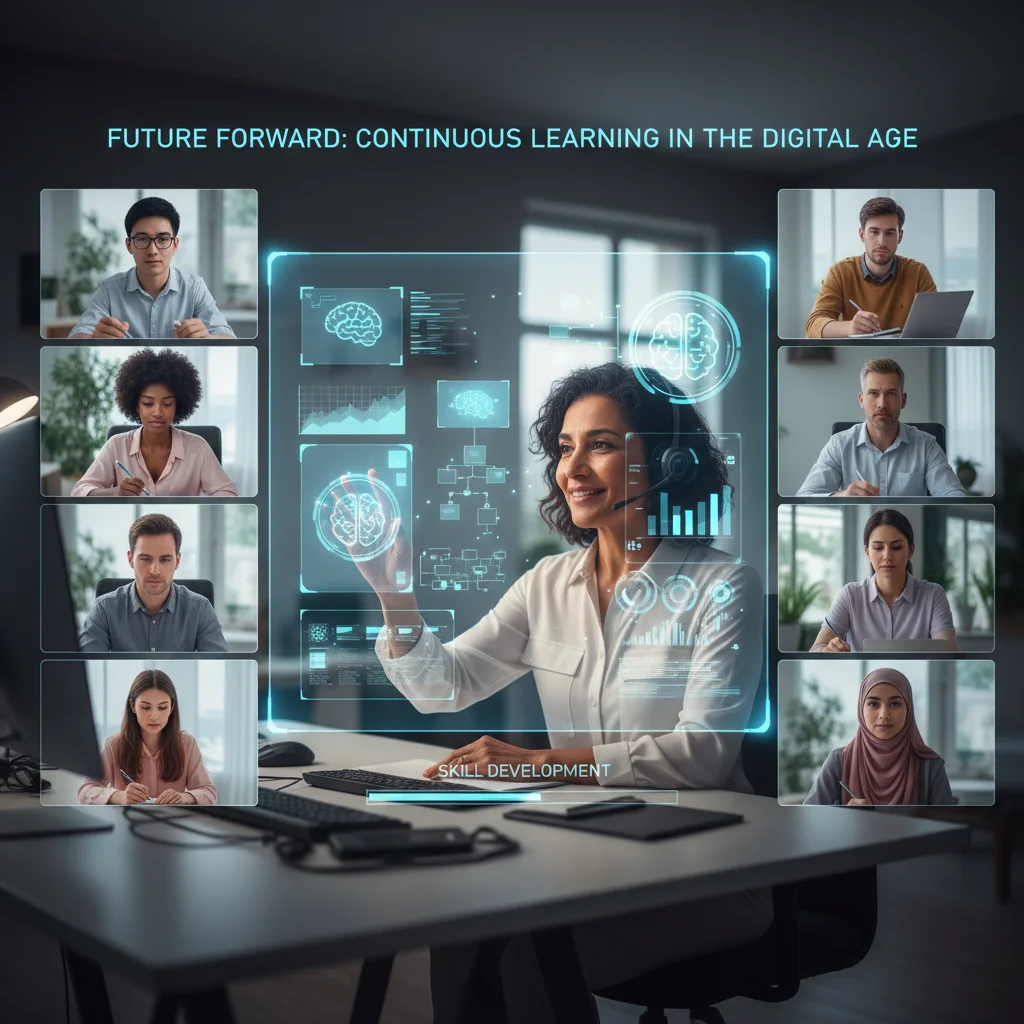
To support skills-based hiring and internal mobility, companies are fostering a culture of continuous learning. This means providing access to online courses, certifications, mentorship programs, and opportunities for experiential learning. Employees are encouraged to take ownership of their professional development, with the understanding that learning is an ongoing journey, not a one-time event. This ensures the workforce remains agile and adaptable to future demands.
Employer Branding: More Important Than Ever
In a competitive market, a strong employer brand is a powerful differentiator. It’s about showcasing what makes an organization a desirable place to work, attracting not just job seekers but also passive candidates who align with the company’s values and mission.
Authenticity and Transparency in Storytelling
Candidates are savvy; they can spot inauthenticity. Employer branding efforts must be genuine, reflecting the true culture and values of the organization. This involves sharing employee testimonials, showcasing day-to-day life at the company through social media, and being transparent about challenges as well as successes. Authentic storytelling builds trust and resonates more deeply with potential hires.
Employee Advocacy Programs
Employees are the best brand ambassadors. Encouraging and empowering employees to share their positive experiences can be incredibly effective. Employee advocacy programs, where staff share company news, culture insights, and job openings on their personal networks, amplify the employer brand’s reach and credibility. Word-of-mouth remains a powerful recruitment tool, and satisfied employees are its best proponents.
Leveraging Social Media and Digital Platforms
Social media platforms are indispensable for employer branding. Companies are using LinkedIn, Instagram, Twitter, and even TikTok to showcase their culture, highlight employee achievements, and share company news. Engaging content, interactive campaigns, and a consistent online presence are key to attracting and engaging talent in the digital age. Video content, in particular, is proving highly effective in conveying company culture and values.
Focus on Well-being and Flexibility
The pandemic fundamentally reshaped expectations around work-life balance and flexibility. As we move towards 2026, these factors remain critical for attracting and retaining talent.
Flexible Work Arrangements
Hybrid work models, remote-first policies, and flexible hours are no longer perks but often necessities. Companies that offer genuine flexibility are more attractive to a wider pool of candidates, including those with caregiving responsibilities or those seeking a better work-life integration. The ability to choose where and when to work, within reasonable limits, is a significant draw. This shift is a dominant force among current Talent Acquisition Trends.
Prioritizing Employee Well-being
Mental health support, wellness programs, and a culture that actively promotes employee well-being are becoming standard expectations. Organizations are investing in resources like EAPs (Employee Assistance Programs), mindfulness training, and initiatives that encourage healthy work habits. Acknowledging and addressing the holistic needs of employees contributes to higher job satisfaction and lower turnover.
Work-Life Integration, Not Just Balance
The concept is shifting from work-life balance, which implies two separate entities, to work-life integration, where personal and professional lives can coexist harmoniously. This means understanding that employees may need to attend to personal matters during work hours and vice versa, fostering a culture of trust and understanding. Companies that embrace this philosophy create a more supportive and humane work environment.
Data-Driven Recruitment: Metrics and Analytics
The days of gut-feeling recruitment are fading. Modern talent acquisition is increasingly driven by data and analytics, allowing for more informed decisions and continuous process improvement.
Key Recruitment Metrics
Tracking metrics such as time-to-hire, cost-per-hire, offer acceptance rates, source-of-hire, and quality-of-hire provides invaluable insights into the effectiveness of recruitment strategies. These metrics help identify bottlenecks, optimize resource allocation, and measure ROI on recruitment investments. Understanding these numbers is crucial for refining and improving the talent acquisition function.
Leveraging HR Technology for Insights
Advanced HR information systems (HRIS) and applicant tracking systems (ATS) are equipped with sophisticated reporting and analytics capabilities. These tools can generate dashboards that visualize key performance indicators, allowing talent acquisition teams to monitor progress, identify trends, and make data-backed adjustments to their strategies. The ability to quickly access and interpret data is a competitive advantage.
Continuous Optimization Through A/B Testing
Just like in marketing, A/B testing can be applied to recruitment strategies. This involves testing different job advertisement copy, sourcing channels, or interview questions to see which approaches yield the best results. By iteratively refining processes based on data, organizations can continuously optimize their talent acquisition efforts, ensuring they are always employing the most effective methods. This scientific approach to hiring is a hallmark of cutting-edge Talent Acquisition Trends.
The Gig Economy and Contingent Workforce Integration
The traditional full-time employment model is being supplemented by a growing reliance on contingent workers, freelancers, and contract professionals. Integrating the gig economy into talent acquisition strategies is a significant trend.
Strategic Use of Contingent Talent
Organizations are increasingly utilizing freelancers and contractors for specialized projects, seasonal demands, or to quickly access niche skills without the long-term commitment of a full-time hire. This allows for greater flexibility and agility in workforce planning. Talent acquisition teams need to develop strategies for sourcing, vetting, and onboarding contingent workers efficiently.
Building a Freelancer Network
Just as companies build pipelines for full-time employees, developing a robust network of trusted freelancers and contractors is becoming essential. This involves maintaining relationships with high-performing contingent workers, making it easier to re-engage them for future projects. Platforms connecting businesses with freelancers are also playing a crucial role in this ecosystem.
Managing the Blended Workforce
The future workforce will likely be a blend of full-time employees and contingent workers. Talent acquisition and HR departments need to develop policies and processes that effectively manage this blended workforce, ensuring fair treatment, seamless integration, and optimal productivity across all employment types. This requires a holistic view of talent, regardless of employment status.
Conclusion: Navigating the Future of Talent Acquisition
The world of work is undergoing a profound transformation, and the latest Talent Acquisition Trends in the US for 2026 reflect this dynamic shift. From the intelligent automation of AI to the human-centric emphasis on candidate experience, DEI, and well-being, organizations must adapt their strategies to remain competitive. Embracing skills-based hiring, fostering internal mobility, and leveraging data analytics are no longer optional but essential components of a robust talent strategy.
The key to success lies in adopting a proactive, agile, and candidate-centric approach. By understanding and strategically implementing these trends, companies can build strong employer brands, attract a diverse pool of top talent, and cultivate a workforce that is not only ready for today’s challenges but also prepared for the opportunities of tomorrow. The future of talent acquisition is here, and those who embrace its evolution will undoubtedly lead the way.