Navigating US Consumer Behavior Shifts: Essential Strategies for Businesses
The landscape of commerce is in perpetual motion, but rarely has it shifted with such velocity and unpredictability as in recent years. For US businesses, understanding and adapting to these rapid consumer behavior shifts is not just an advantage; it’s a prerequisite for survival and growth. As we look ahead to the next six months, several key trends are poised to redefine how Americans shop, spend, and interact with brands. Ignoring these shifts would be a perilous oversight, while embracing them opens doors to unprecedented opportunities. This comprehensive guide will dissect the most impactful economic pressures, digital transformations, and value-driven purchasing patterns, providing actionable strategies for businesses to not only weather the storm but to thrive.
Anúncios
The Economic Undercurrent: Inflation, Interest Rates, and Discretionary Spending
The economic environment remains a dominant factor shaping consumer behavior shifts. High inflation, while showing signs of cooling, has significantly eroded purchasing power, forcing consumers to be more judicious with their spending. Coupled with rising interest rates, which impact everything from mortgages to credit card debt, the average American household is feeling the squeeze. This financial pressure directly translates into altered purchasing habits, particularly concerning discretionary goods and services.
Anúncios
Businesses must recognize that consumers are increasingly prioritizing needs over wants. This isn’t just about cutting back; it’s about a fundamental re-evaluation of value. Consumers are seeking greater transparency in pricing, looking for deals, and often delaying non-essential purchases. For retailers, this means a renewed focus on competitive pricing, loyalty programs, and highlighting the long-term value or necessity of their offerings. Service-based businesses might see a dip in luxury services, necessitating a pivot towards more essential or value-added packages.
Furthermore, the ‘lipstick effect’ – where consumers indulge in small, affordable luxuries during economic downturns – might see a resurgence. Brands offering small comforts or accessible indulgences could find a niche. However, even these small purchases will be scrutinized for their perceived value and impact on the overall budget. Understanding the nuances of these economic pressures is paramount for any business aiming to connect with consumers effectively in the coming months.
The Digital Domination: E-commerce, Hybrid Shopping, and AI Integration
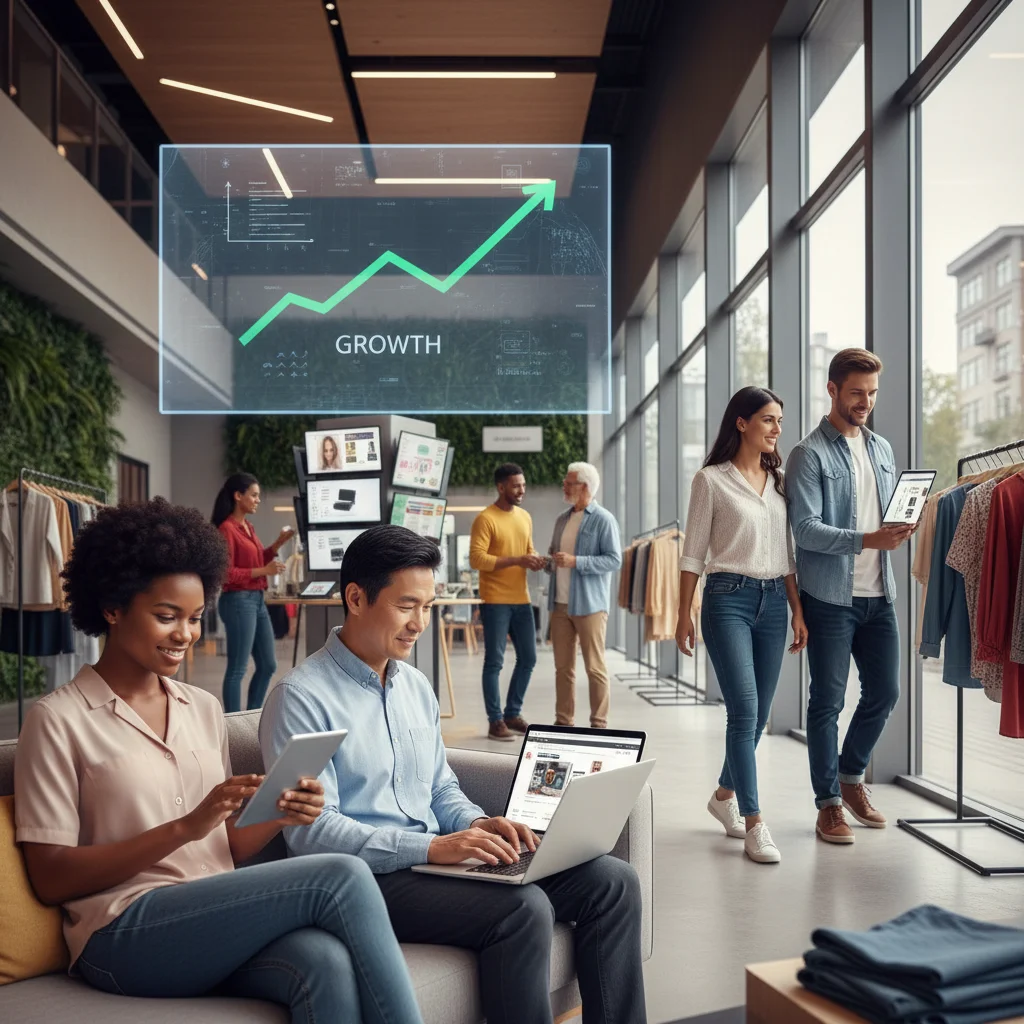
The acceleration of digital adoption during the pandemic has cemented e-commerce as an indispensable part of the retail landscape. However, the next six months will see further evolution, moving beyond simple online transactions to more sophisticated digital integrations that drive consumer behavior shifts. Hybrid shopping experiences, blending the best of online and offline, are becoming the norm.
Consumers now expect seamless transitions between channels. They might research a product online, check in-store availability, purchase it digitally, and pick it up physically, or vice versa. This ‘phygital’ approach demands a unified customer experience across all touchpoints. Businesses need robust omnichannel strategies that ensure consistent branding, inventory, and customer service, regardless of where the customer chooses to engage.
Artificial intelligence (AI) is no longer a futuristic concept but a present-day tool for enhancing the customer journey. AI-powered personalization, from product recommendations to tailored marketing messages, will become increasingly sophisticated. Chatbots and virtual assistants are evolving to provide more human-like interactions, resolving queries efficiently and offering personalized support. For businesses, investing in AI means not just efficiency, but a deeper understanding of individual customer preferences, leading to more relevant and impactful engagements.
Consider the rise of social commerce, where purchasing decisions are heavily influenced, and often completed, directly within social media platforms. Brands must develop compelling content strategies for platforms like TikTok, Instagram, and even newer emerging social spaces, recognizing that these are increasingly becoming discovery and transaction hubs. Live shopping events, influencer collaborations, and shoppable posts are powerful tools to capture attention and drive sales in this dynamic environment.
Value-Driven Purchasing: Sustainability, Ethics, and Brand Purpose
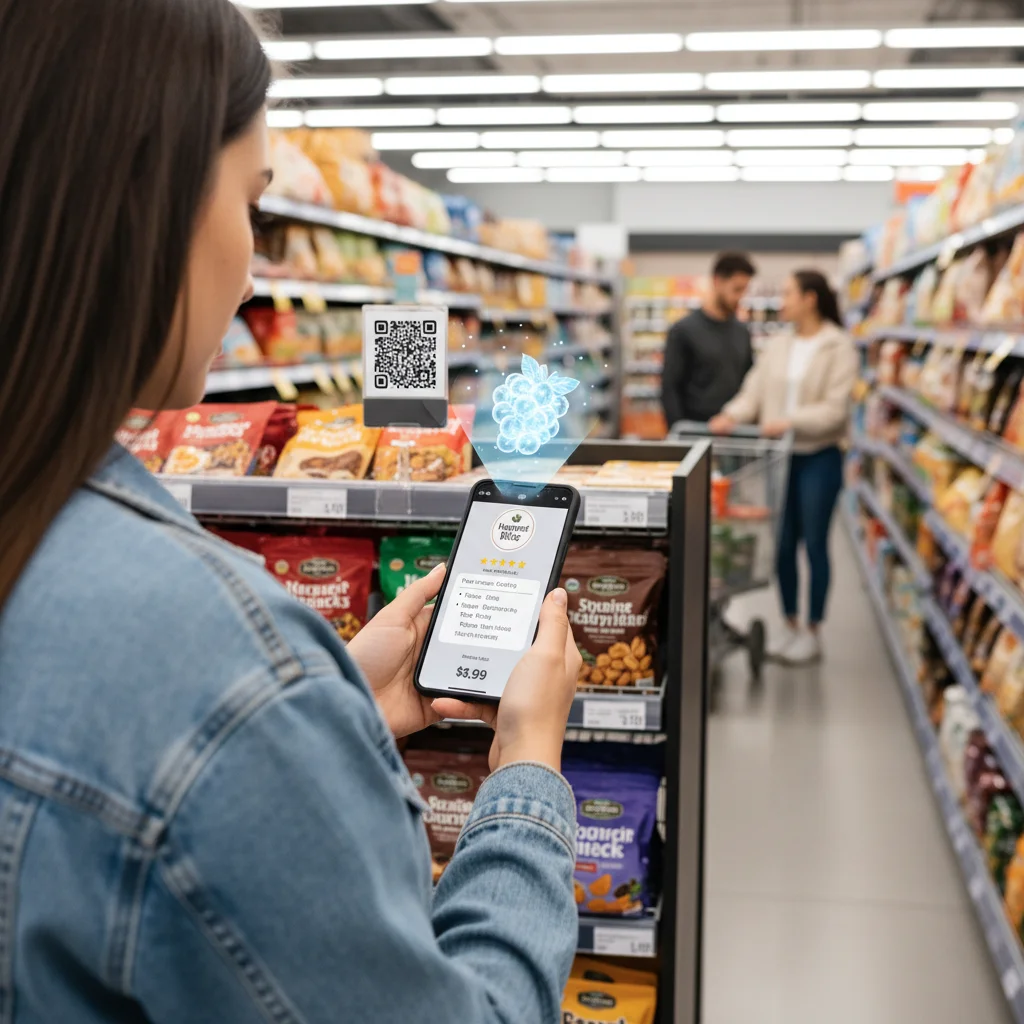
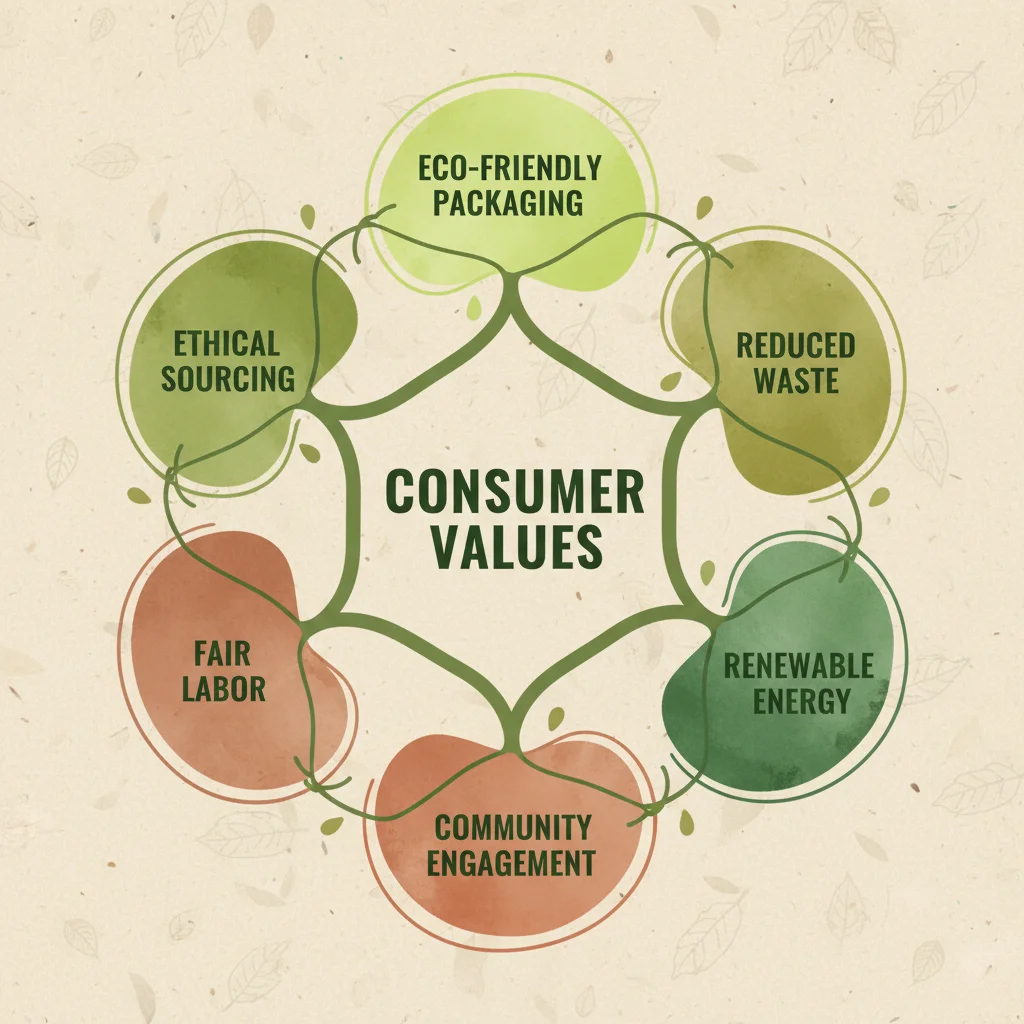
Beyond price and convenience, a significant and growing segment of consumers is making purchasing decisions based on values. This is one of the most profound consumer behavior shifts shaping the market. Sustainability, ethical sourcing, social responsibility, and a brand’s overall purpose are increasingly influencing where consumers choose to spend their money.
Consumers are more informed and more critical than ever. They want to know the origin of products, the environmental impact of their production, and the labor practices involved. Greenwashing – making unsubstantiated claims about environmental friendliness – is quickly identified and can severely damage a brand’s reputation. Authenticity and transparency are key. Businesses that genuinely integrate sustainable practices into their operations, from supply chain to packaging, and communicate these efforts clearly, will resonate deeply with this demographic.
Brand purpose extends beyond environmental concerns to social issues. Consumers are looking for brands that align with their personal values, whether it’s supporting local communities, promoting diversity and inclusion, or advocating for specific causes. A brand’s stance on social issues, its corporate social responsibility (CSR) initiatives, and its commitment to ethical business practices are becoming as important as the quality or price of its products.
For businesses, this means moving beyond performative activism to genuine, integrated values. It requires a deep understanding of their target audience’s values and a commitment to reflecting those values in every aspect of their operations. Communicating these efforts through storytelling, transparent reporting, and engaging with communities can build strong brand loyalty and differentiate businesses in a crowded market.
The Quest for Personalization and Experience
In an age of endless choices, consumers crave experiences that feel uniquely tailored to them. Generic approaches are increasingly ineffective. The demand for personalization is a major driver of consumer behavior shifts, extending far beyond simply addressing a customer by their first name.
True personalization involves understanding individual preferences, past behaviors, and anticipated needs to deliver relevant products, services, and communications. This can manifest in customized product offerings, bespoke recommendations, or even personalized loyalty rewards. Data analytics plays a crucial role here, allowing businesses to gather insights and predict what a customer might want next.
Beyond products, the entire customer journey is being scrutinized for its experiential quality. From the ease of website navigation to the helpfulness of customer service, every interaction contributes to the overall brand experience. Businesses are investing in immersive retail environments, engaging online content, and seamless post-purchase support to create memorable and positive experiences that foster loyalty.
Consider subscription models, which thrive on personalization and convenience. Whether it’s curated boxes of goods or ongoing access to digital content, these models offer a predictable and often tailored experience that appeals to consumers seeking convenience and discovery. Businesses exploring or refining subscription services should focus on deep personalization to retain subscribers and reduce churn.
Community and Connection: The Power of Social Proof and Belonging
In an increasingly digital and sometimes isolating world, the human need for connection and belonging remains strong. This is translating into consumer behavior shifts where social proof and community play significant roles in purchasing decisions. Consumers trust recommendations from peers, influencers, and online communities more than traditional advertising.
User-generated content (UGC), reviews, and testimonials are powerful tools for building trust and credibility. Businesses should actively encourage and facilitate UGC, making it easy for customers to share their experiences. Displaying reviews prominently, engaging with comments, and showcasing real customer stories can significantly influence potential buyers.
Creating a sense of community around a brand can foster deep loyalty. This could involve online forums, social media groups, or even in-person events that bring customers together. Brands that successfully build a community around shared interests or values can transform customers into advocates, creating a powerful organic marketing force. This sense of belonging also provides valuable feedback loops, allowing businesses to understand customer needs and preferences directly from their most engaged users.
The rise of niche communities and micro-influencers further emphasizes this trend. Consumers are often looking for authentic voices and relatable experiences within specific interest groups. Collaborating with micro-influencers who genuinely align with a brand’s values can be more effective than broad celebrity endorsements, as their recommendations carry more weight within their dedicated communities.
Health, Wellness, and Mindful Consumption
The past few years have brought a heightened awareness of health and wellness, extending beyond physical fitness to mental well-being, nutrition, and holistic living. This fundamental shift in priorities is profoundly influencing consumer behavior shifts across various sectors.
Consumers are actively seeking products and services that support their well-being. This includes organic and natural foods, sustainable and non-toxic household products, mental health apps, fitness trackers, and wellness retreats. Businesses in these sectors are experiencing sustained growth, but the trend also impacts seemingly unrelated industries.
For instance, the hospitality industry is adapting by offering wellness-focused amenities and experiences. The fashion industry is seeing a rise in comfortable, functional, and ethically produced activewear and loungewear. Even technology companies are integrating features that promote digital well-being and mindful usage. Brands that can genuinely contribute to a consumer’s holistic health and well-being will find a receptive audience.
Mindful consumption also ties into this trend. Consumers are not just buying products; they are buying into lifestyles. They are more likely to invest in items that offer long-term benefits, promote health, or align with their personal growth journeys. This often means a willingness to pay a premium for quality, transparency, and products free from harmful ingredients or practices.
Agility and Adaptability: The Business Imperative
The pace of consumer behavior shifts demands an unprecedented level of agility from businesses. Static strategies are a recipe for obsolescence. Businesses must cultivate a culture of continuous learning, experimentation, and rapid adaptation.
This means regularly monitoring market trends, gathering customer feedback through diverse channels, and being prepared to pivot quickly. Data analytics is no longer just for reporting; it’s a critical tool for predictive insights, allowing businesses to anticipate shifts rather than merely react to them. Investing in flexible supply chains, scalable technology infrastructure, and a responsive workforce are essential components of an agile business model.
Furthermore, fostering innovation is crucial. This isn’t just about developing new products, but also about innovating business processes, customer service models, and marketing approaches. Encouraging creativity and empowering employees to experiment with new ideas can lead to breakthroughs that resonate with evolving consumer demands.
The next six months will be defined by businesses that can not only identify these shifts but also integrate them into their core operations. Those that remain rigid will struggle, while those that embrace change as an opportunity will flourish.
Conclusion: Thriving in a Dynamic Market
The upcoming six months promise to be a period of significant evolution in US consumer behavior. From the persistent pressure of economic factors to the ever-expanding influence of digital technologies and the growing importance of values, businesses face a multifaceted challenge. However, within these challenges lie immense opportunities for growth and innovation.
By prioritizing understanding, embracing agility, and committing to genuine value creation – whether through competitive pricing, seamless digital experiences, ethical practices, or personalized offerings – businesses can effectively navigate these consumer behavior shifts. The brands that listen intently to their customers, adapt proactively, and communicate authentically will be the ones that not only survive but truly thrive in this dynamic market. The future of commerce is not about selling products; it’s about building relationships, delivering value, and aligning with the evolving aspirations of the modern consumer.