U.S. Trade Priorities 2026: Bilateral Deals & Global Agreements
Anúncios
The landscape of international trade is perpetually in flux, shaped by geopolitical shifts, technological advancements, and evolving economic imperatives. As we approach 2026, the United States stands at a pivotal juncture, poised to redefine its approach to global commerce. The focus is increasingly sharpening on a strategic blend of strengthening existing alliances and forging new bilateral trade deals, all while navigating the complexities of a fragmented multilateral system. Understanding the U.S. Trade Priorities 2026 is crucial for businesses, policymakers, and global citizens alike, as these decisions will reverberate across economies worldwide.
Anúncios
The Future of Global Trade Agreements: 2026 U.S. Priorities and the Potential for 8 New Bilateral Deals
The year 2026 is shaping up to be a landmark period for U.S. trade policy. Against a backdrop of persistent global challenges—from supply chain vulnerabilities and climate change to geopolitical rivalries and the rapid pace of digital transformation—the U.S. is strategically recalibrating its trade agenda. This recalibration is not merely a response to external pressures but a proactive effort to secure economic competitiveness, enhance national security, and promote American values on the global stage. Central to this strategy are the anticipated U.S. Trade Priorities 2026, which point towards a dynamic and potentially transformative era of international economic engagement.
Anúncios
Recalibrating U.S. Trade Policy: A Strategic Imperative
For decades, U.S. trade policy has swung between multilateralism and bilateralism, often seeking a balance between global cooperation and national interests. However, the current global environment demands a more agile and targeted approach. The challenges posed by the rise of protectionist sentiments, the weaponization of trade by certain state actors, and the urgent need to address climate change through trade mechanisms have necessitated a fresh look at how the U.S. engages with the world economically. The U.S. Trade Priorities 2026 are expected to reflect this strategic imperative, emphasizing resilience, innovation, and inclusivity.
Shifting from Broad Multilateralism to Targeted Engagement
While the World Trade Organization (WTO) remains an important forum, its effectiveness has been hampered by internal disagreements and a slow pace of reform. This has prompted the U.S. to increasingly explore alternative avenues for advancing its trade agenda. This doesn’t signal an abandonment of multilateralism but rather a more pragmatic and strategic engagement, where multilateral frameworks are utilized when effective, and bilateral or plurilateral agreements are pursued when they offer more immediate and tangible benefits. This strategic shift is a cornerstone of the anticipated U.S. Trade Priorities 2026.
Key Pillars of U.S. Trade Priorities 2026
Several overarching themes are expected to define the U.S. Trade Priorities 2026. These include:
- Supply Chain Resilience: The COVID-19 pandemic exposed critical vulnerabilities in global supply chains. A top priority will be diversifying sourcing, near-shoring, and friend-shoring to reduce dependencies on single points of failure and ensure access to essential goods.
- Digital Trade and Data Governance: The digital economy is growing exponentially, but international rules for digital trade, data flows, and cybersecurity remain nascent. The U.S. will push for high-standard agreements that promote open digital markets while protecting privacy and security.
- Climate and Environmental Sustainability: Trade policy will increasingly be leveraged to support climate goals, including promoting green technologies, discouraging environmentally harmful practices, and establishing carbon border adjustments.
- Worker-Centric Trade: Ensuring that trade benefits a broad segment of society, including workers, will be a critical focus. This involves advocating for strong labor standards and addressing the social impacts of trade liberalization.
- Countering Non-Market Practices: The U.S. will continue to challenge unfair trade practices, particularly those employed by state-owned enterprises and countries that subsidize industries in ways that distort global markets.
- National Security and Geopolitical Alignment: Trade will be viewed through a national security lens, fostering alliances with like-minded countries and limiting economic ties that could undermine U.S. strategic interests.
The Prospect of 8 New Bilateral Trade Deals: Who Are the Potential Partners?
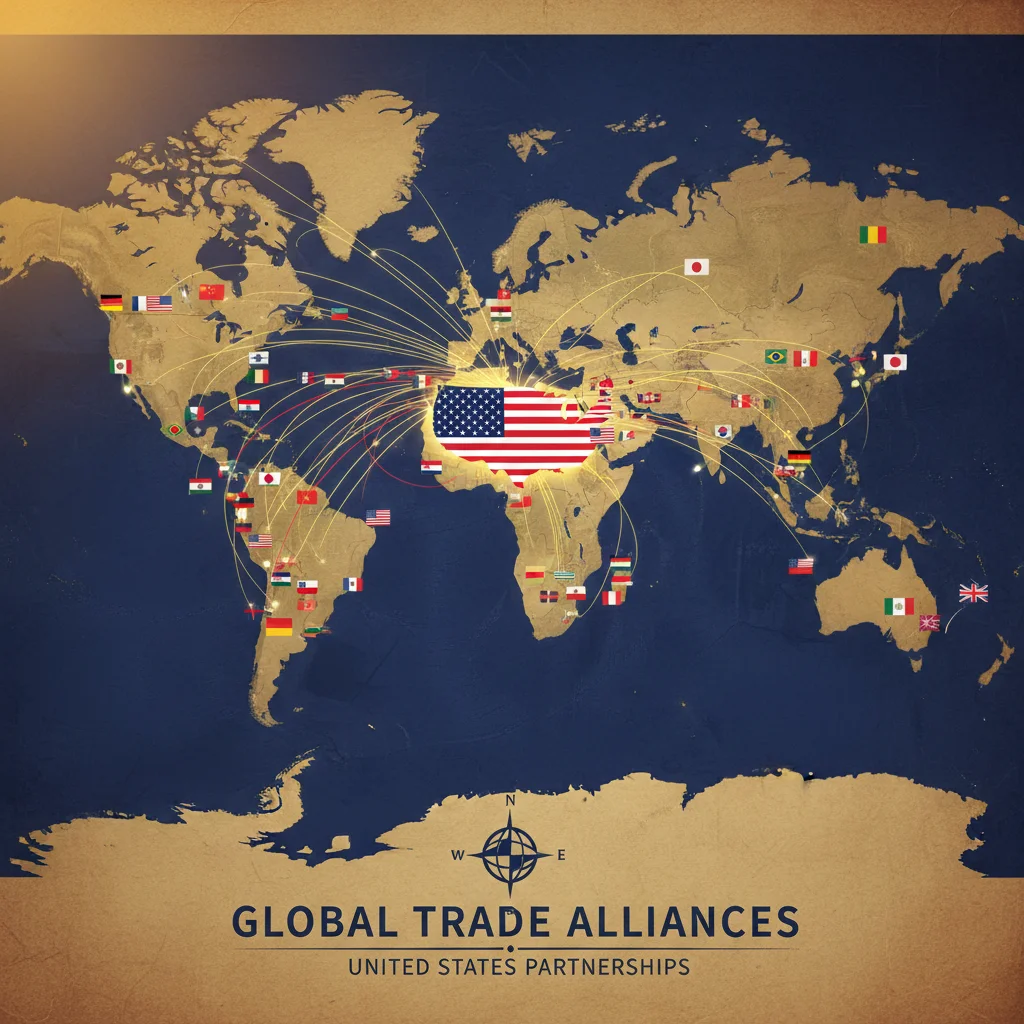
One of the most significant aspects of the U.S. Trade Priorities 2026 is the strong indication of pursuing new bilateral trade agreements. While the exact number and partners are subject to ongoing diplomatic discussions and political realities, the strategic rationale for such deals is clear: they offer faster negotiation times, more tailored provisions, and an opportunity to deepen relationships with key allies. Based on current geopolitical and economic alignments, several countries emerge as strong candidates for these potential 8 new bilateral trade deals.

Tier 1: High Probability Candidates
These nations share strong existing economic ties, strategic interests, and a general alignment with U.S. trade principles. Securing agreements with them would bolster supply chain resilience and deepen economic integration.
- United Kingdom: Despite post-Brexit complexities, a U.S.-UK trade deal remains a high priority for both nations, offering significant benefits in services, agriculture, and digital trade.
- Kenya: Building on existing strategic dialogues, a bilateral agreement with Kenya could serve as a vital gateway to expanding U.S. trade and investment across sub-Saharan Africa, emphasizing sustainable development and digital trade.
- Taiwan: Given its critical role in semiconductor manufacturing and its democratic values, a trade agreement with Taiwan would be strategically important, enhancing economic resilience and technological cooperation.
- Japan (Expanded Agreement): While a limited deal is already in place, there’s potential for a more comprehensive bilateral agreement with Japan, focusing on emerging technologies, digital trade, and supply chain security.
Tier 2: Strong Potential Candidates
These countries represent significant economic opportunities and strategic partnerships, though negotiations might face more complexities due to varying regulatory frameworks or domestic sensitivities.
- India: As a rapidly growing economy and a key partner in the Indo-Pacific, a comprehensive trade deal with India could unlock immense market potential, despite historical challenges in agricultural and industrial tariffs.
- Vietnam: A crucial hub in Southeast Asia and a beneficiary of supply chain diversification, Vietnam offers significant opportunities for U.S. investment and trade, particularly in manufacturing and technology.
- Philippines: Another strategic partner in the Indo-Pacific, the Philippines presents opportunities for increased trade in services, manufacturing, and agricultural products, strengthening regional alliances.
- Israel: Building on a long-standing strategic relationship, an updated or expanded trade agreement with Israel could focus on high-tech sectors, cybersecurity, and innovation, reflecting their advanced economies.
It’s important to note that the pursuit of these bilateral deals will be highly dynamic, influenced by domestic political considerations in each country, global economic conditions, and the evolving geopolitical landscape. The emphasis of U.S. Trade Priorities 2026 will be on finding mutually beneficial outcomes that align with U.S. strategic objectives.
Challenges and Opportunities for U.S. Trade Priorities 2026
The path forward for the U.S. Trade Priorities 2026 is not without its challenges. Domestic political consensus on trade remains elusive, with debates over the impact of trade on American jobs and industries. Internationally, rising protectionism, geopolitical tensions, and the ongoing struggle to reform the WTO present significant hurdles. However, these challenges also create opportunities for innovative approaches and stronger partnerships.
Navigating Domestic Politics and Stakeholder Interests
Any trade agreement requires congressional approval and widespread public support. The U.S. administration will need to effectively articulate the benefits of these new agreements, demonstrating how they will create jobs, foster economic growth, and enhance national security. Engaging with labor unions, industry groups, and consumer advocates will be critical to building a broad consensus around the U.S. Trade Priorities 2026.
Addressing Environmental and Labor Concerns
Modern trade agreements are increasingly expected to incorporate robust provisions for environmental protection and labor rights. The U.S. will likely push for high standards in these areas, reflecting a commitment to responsible global commerce. This approach, while more complex to negotiate, aims to create a more sustainable and equitable trading system, aligning with broader U.S. Trade Priorities 2026.
Leveraging Digital Trade for Economic Growth
The digital economy offers immense potential for growth and innovation. High-standard digital trade provisions in new agreements could streamline cross-border data flows, protect intellectual property, and foster e-commerce. This focus on digital trade will be a defining feature of the U.S. Trade Priorities 2026, helping to set global benchmarks.
Impact of U.S. Trade Priorities 2026 on Global Commerce
The strategic direction of U.S. Trade Priorities 2026 will undoubtedly have a profound impact on global commerce. The pursuit of bilateral deals, coupled with a more targeted approach to multilateral engagement, could lead to a more fragmented but potentially more resilient global trading system. Businesses worldwide will need to adapt to these evolving frameworks.

Reshaping Global Supply Chains
The emphasis on supply chain resilience will drive diversification and regionalization. Companies reliant on single-source supply chains will need to re-evaluate their strategies, potentially leading to new investment in manufacturing capabilities in partner countries. This shift will be a direct consequence of the U.S. Trade Priorities 2026.
Promoting New Standards and Regulations
Through its bilateral and plurilateral agreements, the U.S. will seek to establish new norms and standards, particularly in emerging areas like digital trade, artificial intelligence, and climate-friendly technologies. These standards could eventually influence broader global regulations, even in the absence of comprehensive WTO agreements. This is a key ambition of the U.S. Trade Priorities 2026.
Increased Competition and Market Access
While new bilateral deals will create preferential market access for some, they could also intensify competition for those outside these agreements. Businesses will need to closely monitor the development of these trade blocs and adjust their market entry strategies accordingly. Understanding the nuances of U.S. Trade Priorities 2026 will be paramount for international firms.
The Role of Technology in U.S. Trade Priorities 2026
Technology is not just an industry but a fundamental enabler and shaper of modern trade. The U.S. Trade Priorities 2026 will heavily integrate technological considerations, from securing critical technologies to leveraging digital tools for trade facilitation. The intersection of technology and trade will be a defining characteristic of this era.
Securing Critical Technologies and Intellectual Property
With increasing geopolitical competition, securing access to critical technologies—such as semiconductors, advanced materials, and AI—is a national security imperative. Trade agreements will likely include provisions aimed at protecting intellectual property, preventing technology transfer, and fostering innovation within allied countries. This is a core component of the U.S. Trade Priorities 2026.
Facilitating Digital Trade and Cross-Border Data Flows
The growth of e-commerce and digital services demands robust frameworks for digital trade. The U.S. will advocate for agreements that ensure free and secure cross-border data flows, prohibit data localization requirements, and prevent discriminatory practices against digital products and services. These provisions are central to the innovation agenda embedded within the U.S. Trade Priorities 2026.
Addressing Cybersecurity and Digital Infrastructure
As trade becomes more digitized, cybersecurity risks multiply. Future trade agreements will likely include clauses on cybersecurity cooperation, aiming to build resilient digital infrastructure and protect against cyber threats that could disrupt trade. This focus on digital security is critical for realizing the full potential of the U.S. Trade Priorities 2026.
Conclusion: A Dynamic and Strategic Future for U.S. Trade
The U.S. Trade Priorities 2026 represent a proactive and strategic response to a rapidly changing global environment. By focusing on supply chain resilience, digital trade, climate sustainability, and worker-centric policies, and by strategically pursuing new bilateral agreements, the U.S. aims to secure its economic future and reinforce its global leadership. While challenges remain, the opportunities for deepening economic partnerships and shaping the rules of 21st-century commerce are substantial.
Businesses and policymakers around the world must pay close attention to these evolving priorities. Adapting to these shifts, understanding the implications of new bilateral deals, and engaging constructively with the U.S. trade agenda will be essential for navigating the complex yet opportunity-rich landscape of global trade in 2026 and beyond. The strategic pursuit of these 8 potential bilateral deals underscores a clear commitment to a more agile, resilient, and values-driven U.S. trade policy, setting the stage for a transformative period in international economic relations.